
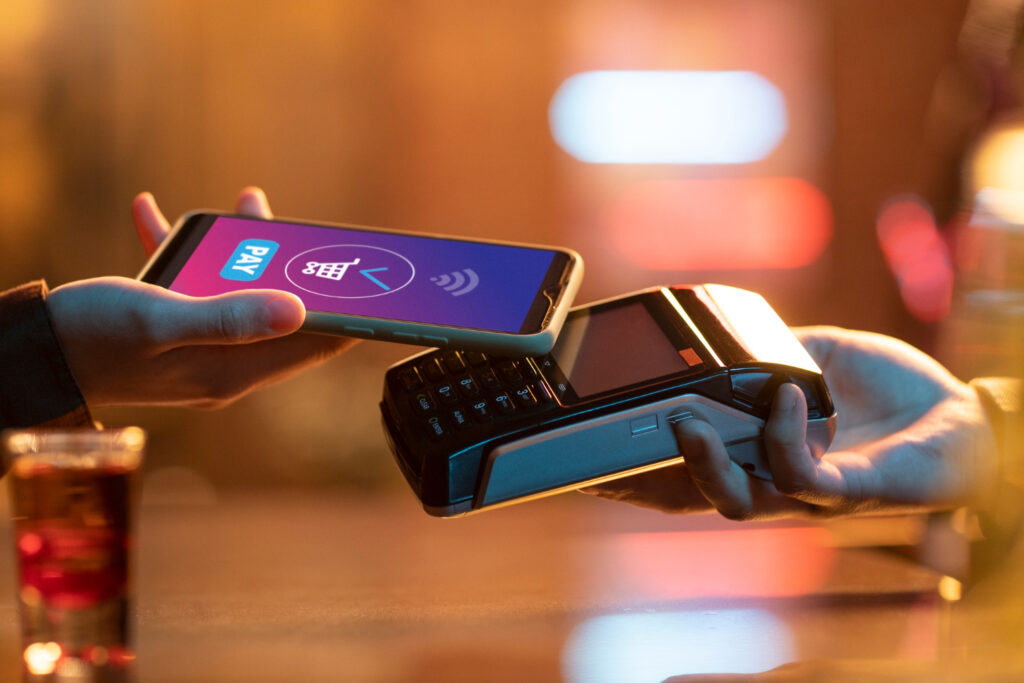
n a landmark financial development, India and Bahrain have officially launched a real-time cross-border payment linkage, allowing seamless transactions between the two nations through UPI (Unified Payments Interface) and Bahrain’s Electronic Funds Transfer System (EFTS). This partnership marks a major leap toward a cashless global economy, reshaping the way individuals, tourists, and businesses transfer money across borders.
The collaboration is being celebrated as a key milestone under India’s “Digital Global Bharat” initiative, reinforcing the country’s leadership in fintech innovation and financial inclusion.
A Milestone in Global Fintech Cooperation

The new payment linkage between India’s National Payments Corporation of India (NPCI) and The Central Bank of Bahrain (CBB) will enable instant, secure, and cost-effective cross-border transactions.
For the first time, Indians in Bahrain — and Bahrainis dealing with India — can transfer money in seconds using mobile apps connected to UPI and EFTS systems.
This revolutionary partnership aims to:
- Facilitate real-time remittances and merchant payments.
- Reduce transaction costs by eliminating traditional SWIFT-based intermediaries.
- Boost digital trade and tourism between India and Bahrain.
- Enhance financial transparency and compliance with international security standards.
According to government sources, the linkage is part of a broader plan to integrate UPI with global digital payment systems in the Middle East, Africa, and Southeast Asia — creating a digital bridge between India and the world.
What This Means for Users
1. Instant Remittances
Over 350,000 Indians live and work in Bahrain, sending home millions of dollars in remittances every year. With the new UPI–EFTS linkage, they can now transfer money directly to Indian bank accounts instantly, with minimal fees and transparent exchange rates.
No more waiting days for international transfers or losing money to hidden conversion charges — every transaction will be fast, transparent, and secure.
2. Simplified Merchant Payments
Indian tourists visiting Bahrain — or Bahraini businesses working with Indian vendors — can now scan a QR code and pay instantly using UPI. Similarly, Indian merchants accepting payments from Bahrain-based customers will receive funds directly in their accounts without additional paperwork.
This integration is expected to boost small and medium enterprises (SMEs), enabling them to participate in global trade with ease.
3. Boost for Tourism and Retail
With UPI acceptance in Bahrain’s retail and hospitality sectors, Indian tourists will no longer need to rely heavily on cash or international cards. Likewise, Bahraini travelers in India can make direct EFTS-linked payments in rupees.
This simplifies travel experiences, reduces currency exchange hassles, and promotes digital spending across borders.
Why This Matters: The Bigger Picture
The partnership between India and Bahrain goes far beyond convenience — it’s a strategic move in digital diplomacy.
Over the past few years, India has emerged as a global fintech leader, with UPI transactions crossing 12 billion per month domestically. The system’s reliability and scalability have caught global attention, leading several countries — including Singapore, UAE, France, and now Bahrain — to adopt or integrate with it.
For Bahrain, this collaboration aligns perfectly with its Vision 2030 plan to become a regional financial technology hub. The island nation has invested heavily in digital banking infrastructure and sees India’s UPI model as a blueprint for inclusive growth.
How It Works: UPI–EFTS Integration Explained

Here’s a simple breakdown of how the India–Bahrain payment system functions:
- Linking Platforms: India’s UPI platform (operated by NPCI International Payments Ltd) connects with Bahrain’s EFTS, managed by The BENEFIT Company under the Central Bank of Bahrain.
- Currency Conversion: Payments are automatically converted between Indian Rupees (INR) and Bahraini Dinar (BHD) at real-time exchange rates.
- Authentication: Each transaction is verified through biometric and multi-factor authentication, ensuring high-level security.
- Settlement: Funds are settled within seconds through an automated clearing process between the two central banking systems.
This system reduces dependency on international networks like SWIFT, which can take up to 48 hours and charge high transaction fees.
Statements from Key Leaders
Shaktikanta Das, Governor of the Reserve Bank of India (RBI), stated:
“The India–Bahrain payment linkage showcases how digital public infrastructure can bridge international financial ecosystems efficiently and affordably.”
Rasheed Al-Maraj, Governor of the Central Bank of Bahrain, added:
“This initiative strengthens Bahrain’s position as a fintech leader in the Gulf and opens doors for stronger bilateral trade and remittances with India.”
Prime Minister Modi, in a message shared during the launch, praised the initiative as part of India’s broader goal to make ‘Digital Bharat Global’, enabling Indian innovation to empower global citizens.
Economic Impact
This collaboration is expected to have far-reaching economic implications:
- Remittance Efficiency: Annual remittances between Bahrain and India are expected to rise by 15–20% as transaction costs fall.
- Trade Facilitation: SMEs can now make faster cross-border payments, improving export–import turnover.
- Digital Economy Growth: Bahrain’s digital payment adoption rate is projected to grow by 30% by 2026.
- Investment Opportunities: Fintech startups in both nations may leverage this system to create innovative cross-border payment apps and APIs.
Analysts believe that if similar systems are rolled out across other GCC nations, India could soon become a hub for real-time global digital payments.
Strengthening India–Gulf Relations
The fintech collaboration also adds a new dimension to India’s growing relationship with the Gulf Cooperation Council (GCC) nations.
India already has active UPI integration with UAE, Oman, and Saudi Arabia in progress, and Bahrain’s inclusion makes the network stronger.
The move also supports India’s diaspora diplomacy, as millions of Indian expatriates in the Gulf region rely on quick, affordable remittance options.
A Step Toward a Global Digital Currency Network
Industry experts see this partnership as a precursor to a global digital currency ecosystem. With India’s Digital Rupee (CBDC) pilot already underway, cross-border payment linkages like this could eventually integrate central bank digital currencies (CBDCs) for seamless, borderless trade.
This could redefine global financial connectivity, especially for developing economies seeking inclusion in digital trade frameworks.
What’s Next?
Following the success of India’s UPI partnerships with Singapore and now Bahrain, NPCI International is in talks with Indonesia, Kenya, and the UK to establish similar real-time payment bridges.
Bahrain, on its part, is also exploring digital wallet interoperability with Indian banks to simplify consumer and business transactions further.
The roadmap includes:
- Expanding the system to retail and corporate banking.
- Introducing QR-based digital payments in all major Bahraini commercial centers.
- Launching cross-border bill payments and investment transfers in the next phase.
Conclusion
The India–Bahrain cross-border payment linkage is more than just a financial upgrade — it’s a symbol of digital globalization powered by innovation.
By integrating UPI with EFTS, the two nations have proven that technology can dissolve financial borders, making payments faster, cheaper, and more inclusive.
This step not only strengthens India–Bahrain economic ties but also sets a precedent for the future of international fintech collaboration.
As the world moves toward cashless economies, India continues to lead with scalable, secure, and sustainable digital payment solutions.