
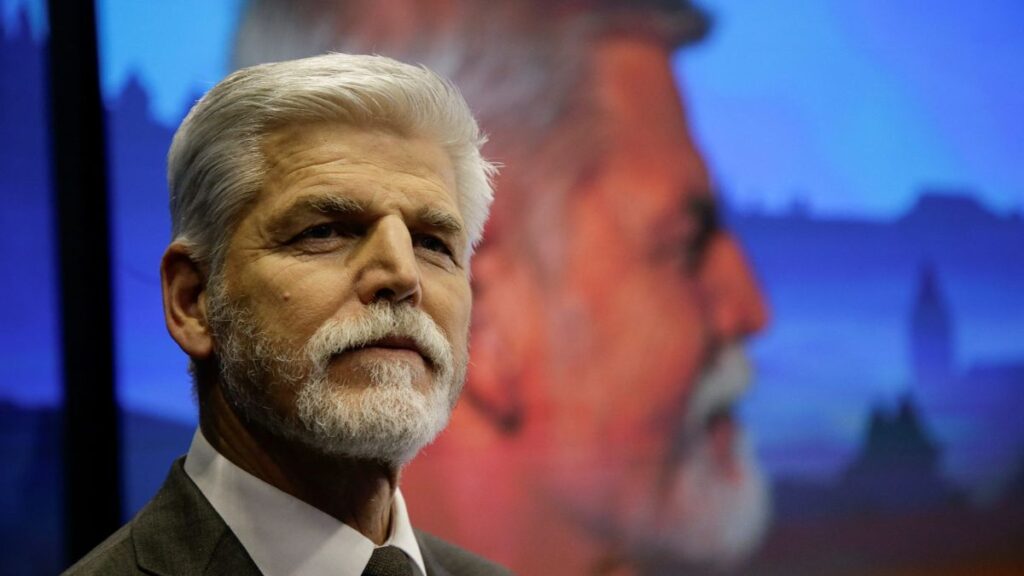
In a major political development shaping Central European politics, Andrej Babiš, leader of the ANO (Action of Dissatisfied Citizens) movement, has been sworn in as the new Prime Minister of the Czech Republic. His return to power marks a significant moment in the country’s political landscape, reflecting shifting voter sentiment, economic anxieties, and debates over governance, EU relations, and national identity.
The swearing-in ceremony was held in Prague, attended by senior government officials, diplomats, constitutional authorities, and members of his political alliance. With this, Babiš begins a new chapter in Czech politics—one characterized by promises of economic stability, strong leadership, and institutional reform.
⭐ Who Is Andrej Babiš?
Andrej Babiš is one of the Czech Republic’s most influential and controversial political figures. A billionaire businessman-turned-politician, he previously served as:
- Prime Minister (2017–2021)
- Minister of Finance
- Deputy Prime Minister for the Economy
Before entering politics, he built a massive business empire in agriculture, chemicals, and media, making him one of the richest individuals in Central Europe.
His political identity blends:
- technocratic management
- populist sentiment
- business-style governance
- skepticism toward traditional political elites
Supporters view him as a strong, practical leader who prioritizes the economy. Critics, however, point to concerns about conflict of interest and his dominant influence in multiple sectors.
⭐ Election Background: How Babiš Made a Comeback
Babiš’s return to power follows a fiercely contested election marked by:
- inflation pressures
- public frustration with slow economic recovery
- dissatisfaction with ruling coalitions
- debates on migration and EU policy
- rising populism in Central and Eastern Europe
His party ANO once again secured a strong voter base, especially among:
- older voters
- rural residents
- working-class communities
- citizens dissatisfied with mainstream parties
While coalition-building remained complex, Babiš successfully negotiated majority support, enabling him to take office.
⭐ Domestic Priorities of the New Government
Andrej Babiš outlined a set of immediate national priorities during his inaugural statement.
1. Strengthening the Economy
The Czech Republic has been experiencing:
- rising inflation
- increased energy prices
- slow wage growth
- post-pandemic recovery challenges
Babiš has promised to:
- boost industrial productivity
- stabilize inflation
- strengthen export sectors
- support small and medium enterprises (SMEs)
- attract foreign investment
2. Energy Security
Energy independence has become a central issue across Europe. Babiš aims to:
- expand nuclear power
- reduce reliance on external gas suppliers
- promote renewable energy projects
- modernize the national energy grid
3. Public Welfare & Social Support
The new government is expected to focus on:
- pensions
- healthcare improvements
- cost-of-living support
- affordable housing initiatives
4. Institutional Reforms
Improving bureaucratic efficiency remains a core promise, reflecting Babiš’s business-oriented governance style.
⭐ Foreign Policy Outlook: What to Expect Under Babiš
Andrej Babiš’s foreign policy is expected to be pragmatic but assertive.
1. EU Relations
Though not anti-EU, Babiš is known for:
- challenging certain EU regulations
- demanding stronger border protection
- pushing for national flexibility in EU policy frameworks
The Czech Republic under Babiš is likely to adopt a more cautious stance toward:
- EU migration policies
- green transition mandates
- defense integration
2. Relations with the United States
Strategic ties are likely to remain strong, particularly in:
- defense cooperation
- trade
- technology exchange
3. Position on Russia-Ukraine Conflict
Given the ongoing tensions in Europe, the Czech Republic will be closely watched for its approach to:
- military aid
- refugee support
- energy diversification
Babiš may strike a more balanced tone, emphasizing Czech national interest and economic impact.
4. Regional Leadership
The Czech Republic under Babiš may strengthen partnerships within:
- Visegrád Group (V4: Czech Republic, Slovakia, Poland, Hungary)
- Central European economies
- EU border-security initiatives
⭐ Public Reaction to His Return
Reactions across the Czech Republic have been mixed.
Supporters argue that Babiš will:
- restore strong economic management
- bring business efficiency into government
- defend Czech interests in Europe
- stabilize rising living costs
Critics fear:
- concentration of power
- influence of business interests on governance
- weakening of media independence
- increasing populist rhetoric
The political climate remains deeply polarized, setting the stage for intense debates in Parliament and public discourse.
⭐ Challenges Facing the New Government
Andrej Babiš inherits a complex set of issues that will test his administration:
1. Inflation & Rising Prices
Households continue to feel the impact of global economic pressures.
2. Energy Dependence
Balancing affordability with long-term sustainability will be crucial.
3. Labor Shortages
The Czech Republic faces skill gaps in manufacturing, IT, and healthcare.
4. Public Trust
Political division and protests may challenge his legitimacy.
5. EU-level Pressures
Compliance with EU fiscal and climate commitments remains essential.
⭐ Implications for Europe
Babiš’s return echoes a broader shift across Europe, where centrist and populist movements are gaining renewed influence. His leadership may influence:
- EU migration policies
- digital regulation debates
- defence cooperation
- trade negotiations
- future EU budget decisions
Many European leaders will closely watch his stance on press freedom, judiciary independence, and governance.
⭐ What This Means for Czech Citizens
For everyday citizens, the coming years under Babiš will likely bring:
Economic Focus
Efforts to stabilize inflation, protect jobs, and strengthen the economy.
Increased State Support
More welfare measures during economic pressures.
Administrative Changes
Potential reforms in taxation, benefits, and digital governance.
Greater Global Visibility
The Czech Republic may become a more influential voice in European politics.
⭐ Conclusion
Andrej Babiš being sworn in as the new Prime Minister of the Czech Republic marks a pivotal moment for the nation. His comeback reflects shifting voter dynamics, economic anxieties, and the demand for strong, decisive governance. As he begins his term, the world will closely watch how he balances domestic reforms with global diplomacy.
Whether his leadership brings stability, growth, and unity—or intensifies political divisions—will define the next chapter of Czech democracy. One thing is certain: Babiš’s return sets the stage for significant political and economic transformation in the heart of Europe.