
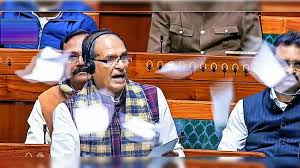
The Lok Sabha has passed the Viksit Bharat G RAM G Bill, marking a significant milestone in India’s long-term vision of inclusive and sustainable development. The Bill aligns with the Government of India’s broader “Viksit Bharat” (Developed India) mission, which aims to transform the country into a developed nation by empowering rural communities, strengthening local governance, and ensuring equitable growth across regions.
With more than 65% of India’s population residing in rural areas, the passage of the G RAM G Bill is seen as a decisive move to bridge the rural-urban divide and unlock the untapped potential of India’s villages. Policymakers, development experts, and grassroots leaders have welcomed the Bill as a much-needed structural reform focused on rural infrastructure, employment generation, digital inclusion, and decentralized governance.
What Is the Viksit Bharat G RAM G Bill?
The Viksit Bharat G RAM G Bill is a comprehensive legislative framework designed to accelerate rural development through Gram-centric planning and execution. The Bill emphasizes strengthening Gram Panchayats as the core units of development, giving them greater autonomy, resources, and accountability to implement welfare and infrastructure projects effectively.
The term “G RAM G” reflects the Bill’s focus on:
- G – Growth
- R – Resilience
- A – Access
- M – Modernisation
- G – Governance
Together, these pillars aim to ensure that rural India becomes self-reliant, technologically enabled, and economically vibrant.
Key Objectives of the G RAM G Bill
The primary objective of the Bill is to ensure balanced national development by placing villages at the center of policymaking. Some of the major goals include:
1. Strengthening Rural Infrastructure
The Bill prioritizes investments in:
- Rural roads and transportation
- Drinking water and sanitation
- Renewable energy and electrification
- Affordable housing
- Irrigation and water conservation
These measures are intended to improve the quality of life in villages while boosting productivity in agriculture and allied sectors.
2. Empowering Gram Panchayats
One of the most transformative aspects of the Bill is the enhanced role of local self-governments. Gram Panchayats will receive:
- Greater financial allocations
- Decision-making authority for local projects
- Performance-linked incentives
- Digital tools for governance and transparency
This decentralization ensures that development is need-based and locally relevant.
3. Employment and Livelihood Generation
The Bill focuses strongly on creating sustainable rural employment, especially for youth and women. It supports:
- Skill development programs
- Rural entrepreneurship
- MSMEs and cottage industries
- Agri-based startups and value-addition units
By encouraging non-farm employment, the Bill aims to reduce rural distress and migration to cities.
Digital and Technological Push for Villages
A major highlight of the Viksit Bharat G RAM G Bill is its emphasis on digital inclusion. Recognizing technology as a growth enabler, the Bill proposes:
- Expansion of high-speed internet connectivity in villages
- Digital service delivery through Panchayat portals
- Online access to government schemes
- Promotion of digital payments and e-commerce
This digital transformation is expected to make rural governance more efficient, transparent, and citizen-friendly.
Focus on Agriculture and Allied Sectors
Agriculture remains the backbone of rural India, and the Bill introduces several measures to modernize and strengthen the sector:
- Promotion of climate-resilient farming practices
- Support for farmer producer organizations (FPOs)
- Improved access to credit and crop insurance
- Adoption of agri-technology and data-driven farming
- Strengthening storage, logistics, and market linkages
These reforms aim to increase farmers’ incomes and reduce post-harvest losses, in line with the broader goal of doubling rural incomes.
Social Development and Welfare Measures
Beyond economic growth, the G RAM G Bill places strong emphasis on social development. The legislation focuses on:
- Improved healthcare access in rural areas
- Strengthening primary health centers
- Quality education through upgraded schools and digital classrooms
- Nutrition programs for women and children
- Social security for senior citizens and marginalized groups
These initiatives ensure that development remains inclusive and people-centric.
Environmental Sustainability and Climate Resilience

The Bill also integrates environmental sustainability into rural development planning. It promotes:
- Water conservation and watershed management
- Afforestation and biodiversity protection
- Renewable energy projects at village level
- Sustainable waste management systems
By embedding climate resilience into local governance, the Bill prepares rural India to face environmental challenges while maintaining ecological balance.
Why the Bill Matters for India’s Long-Term Growth
Experts believe that India’s aspiration to become a global economic powerhouse cannot be achieved without transforming its villages. The Viksit Bharat G RAM G Bill provides a structured roadmap for achieving this transformation by:
- Reducing rural-urban inequality
- Boosting grassroots economic activity
- Improving governance efficiency
- Enhancing human development indicators
The Bill also aligns with several national priorities, including Atmanirbhar Bharat, Digital India, and the Sustainable Development Goals (SDGs).
Political and Public Response
The passage of the Bill in the Lok Sabha followed extensive debate, with lawmakers highlighting the importance of grassroots empowerment. Supporters described the legislation as a “visionary step” toward inclusive growth, while also calling for effective implementation and monitoring.
Civil society organizations and rural development experts have emphasized the need for:
- Transparent fund utilization
- Capacity building for Panchayat officials
- Strong monitoring mechanisms
- Active community participation
Implementation Challenges and the Road Ahead
While the Bill lays out an ambitious vision, its success will depend on execution at the ground level. Key challenges include:
- Ensuring coordination between central, state, and local governments
- Preventing delays in fund disbursement
- Building digital and administrative capacity in villages
- Maintaining accountability and transparency
The government has indicated that detailed rules and guidelines will be rolled out to support smooth implementation across states.
Conclusion
The passage of the Viksit Bharat G RAM G Bill in the Lok Sabha represents a decisive step toward reshaping rural India and realizing the dream of a developed nation. By placing villages at the heart of development, the Bill recognizes that India’s future growth story begins at the grassroots.
If implemented effectively, the G RAM G Bill has the potential to transform rural landscapes, empower local communities, and ensure that the benefits of economic growth reach every corner of the country. As India moves forward on its journey toward becoming a Viksit Bharat, this landmark legislation could serve as a foundation for sustainable, inclusive, and people-driven development.