
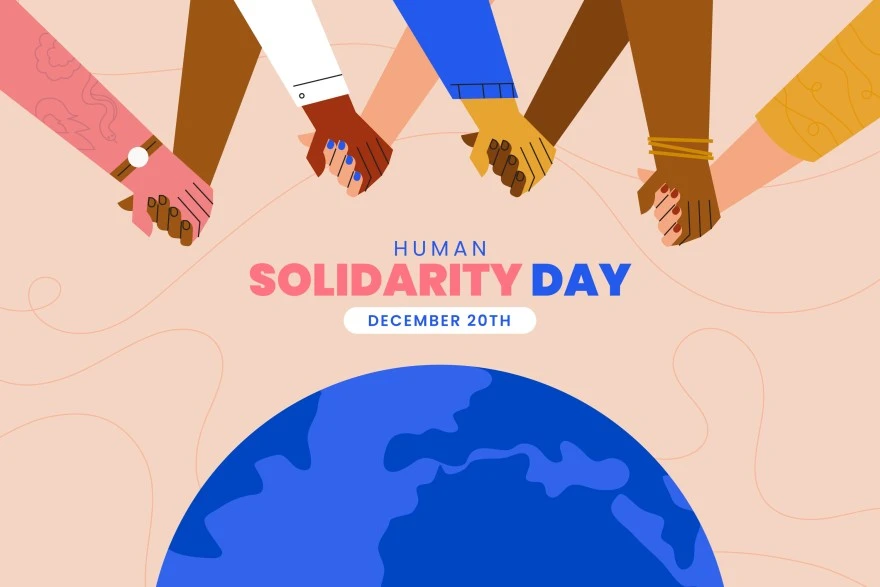
International Human Solidarity Day 2025, observed annually on December 20, highlights the importance of unity, cooperation, and shared responsibility in addressing global challenges. In an increasingly interconnected world marked by health crises, inequality, climate change, and economic uncertainty, the message of solidarity has never been more relevant.
The 2025 observance places special emphasis on “Unity for Better Health and Inclusive Development,” underscoring the idea that sustainable progress is only possible when nations, communities, and individuals work together to ensure health equity, social justice, and inclusive growth for all.
What Is International Human Solidarity Day?
International Human Solidarity Day was proclaimed by the United Nations to celebrate unity in diversity and promote collective action to reduce poverty, inequality, and social exclusion. The day serves as a reminder that solidarity is not merely a moral value but a practical tool for solving global problems.
Solidarity, in this context, means:
- Standing together across borders
- Sharing resources and responsibilities
- Ensuring that no one is left behind in development
Theme of International Human Solidarity Day 2025
The theme “Unity for Better Health and Inclusive Development” reflects global priorities shaped by recent experiences, particularly the lessons learned from global health emergencies and widening socio-economic disparities.
The theme highlights three interconnected pillars:
- Health as a shared global responsibility
- Inclusive development that benefits all sections of society
- Collective action as the foundation of sustainable progress
Why Human Solidarity Matters in 2025
1. Global Health Challenges
Health challenges today transcend national borders. Pandemics, antimicrobial resistance, mental health crises, and climate-related health risks affect people worldwide.
Solidarity ensures:
- Equitable access to healthcare and medicines
- Sharing of scientific knowledge and technology
- Coordinated responses to health emergencies
Without cooperation, even the strongest health systems remain vulnerable.
2. Rising Inequality
Despite economic progress, inequality persists both within and between countries. Marginalized communities often face:
- Limited access to healthcare
- Poor nutrition and sanitation
- Inadequate education and employment opportunities
Human solidarity calls for inclusive policies that prioritize the most vulnerable and ensure equal opportunities for all.
3. Inclusive Development as a Global Imperative
Inclusive development goes beyond economic growth. It focuses on:
- Social inclusion
- Gender equality
- Disability inclusion
- Access to essential services
International Human Solidarity Day 2025 reinforces the idea that development must be people-centered and equitable.
Solidarity and Better Health: A Shared Responsibility
Universal Health Coverage
Achieving better health outcomes globally requires collective commitment to universal health coverage (UHC). Solidarity-driven health systems aim to ensure that everyone can access essential healthcare services without financial hardship.
Key aspects include:
- Affordable healthcare
- Strong primary health systems
- Preventive care and early intervention
Addressing Social Determinants of Health
Health is deeply influenced by factors such as:
- Income and employment
- Education
- Housing and environment
- Clean water and sanitation
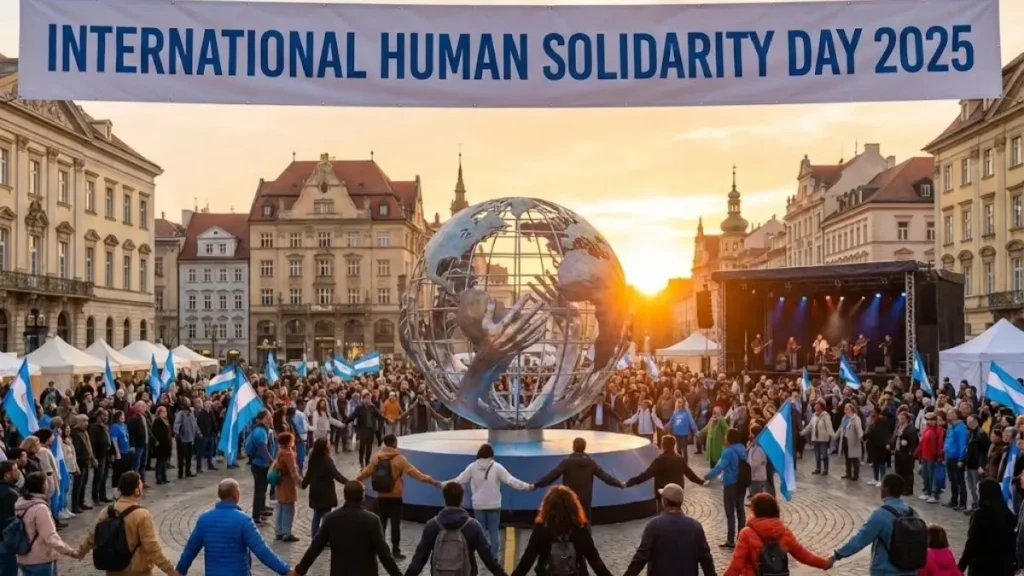
Solidarity-based development policies address these root causes, leading to long-term improvements in public health.
Global Cooperation in Medical Innovation
From vaccines to digital health tools, medical innovation thrives on collaboration. Sharing research, data, and technology enables faster breakthroughs and ensures that life-saving solutions reach all populations, not just a privileged few.
Inclusive Development: Leaving No One Behind
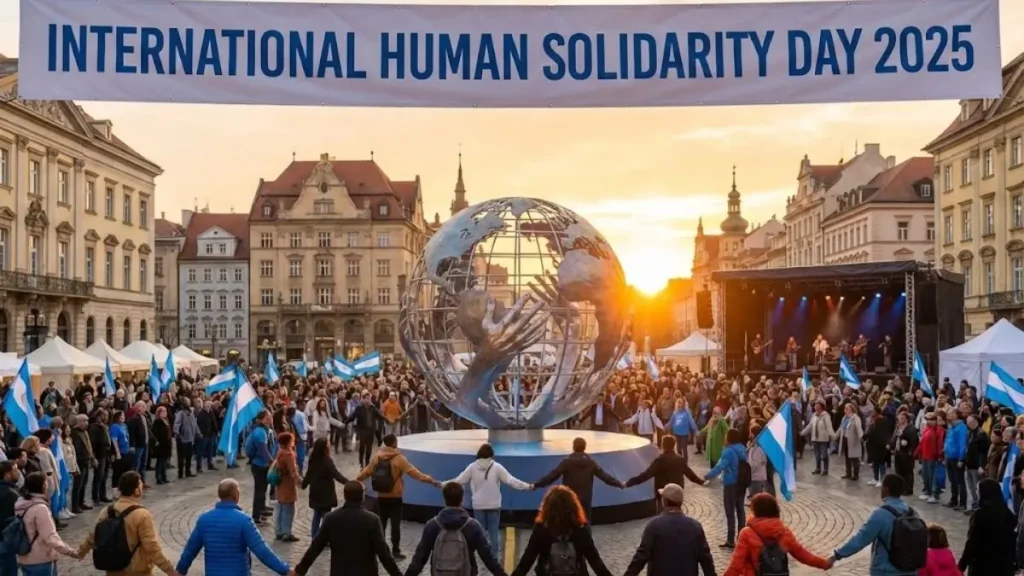
Focus on Vulnerable Populations
Inclusive development prioritizes groups often excluded from progress, including:
- Women and girls
- Children and elderly populations
- Persons with disabilities
- Indigenous and marginalized communities
Solidarity means designing policies that recognize diverse needs and empower all voices.
Economic Inclusion and Social Protection
Economic shocks disproportionately affect vulnerable groups. Solidarity-driven systems promote:
- Social safety nets
- Employment opportunities
- Fair wages and labor protections
Such measures strengthen resilience and reduce poverty.
Education and Skill Development
Access to quality education is central to inclusive development. Solidarity supports:
- Equal educational opportunities
- Digital inclusion
- Lifelong learning
Education empowers individuals to participate meaningfully in economic and social life.
Role of Governments and Institutions
Governments play a critical role in translating solidarity into action. This includes:
- Investing in public healthcare systems
- Implementing inclusive social policies
- Promoting equitable economic growth
- Strengthening international cooperation
Strong institutions ensure that solidarity is embedded in governance and development planning.
Community-Level Solidarity
Solidarity is not limited to global or national levels—it begins within communities.
Examples of community solidarity include:
- Mutual aid networks
- Community health initiatives
- Local development projects
- Support for vulnerable neighbors
Such grassroots efforts reinforce trust, resilience, and social cohesion.
Youth and the Future of Solidarity
Young people are powerful agents of change. International Human Solidarity Day 2025 encourages youth participation in:
- Social innovation
- Public health advocacy
- Climate and sustainability initiatives
- Community engagement
Empowering youth ensures that solidarity remains a living value across generations.
Technology and Digital Solidarity
Digital tools have transformed how solidarity is expressed:
- Telemedicine expands healthcare access
- Online education bridges learning gaps
- Digital platforms enable global collaboration
However, digital inclusion is essential to ensure that technology reduces—not widens—inequality.
Global Solidarity and Sustainable Development Goals
Human solidarity is central to achieving the Sustainable Development Goals (SDGs), particularly those related to:
- Good health and well-being
- Reduced inequalities
- Quality education
- Decent work and economic growth
International Human Solidarity Day reinforces the interconnected nature of these goals and the need for collective action.
How International Human Solidarity Day Is Observed
In 2025, the day will be marked by:
- Awareness campaigns and public discussions
- Educational programs in schools and universities
- Policy dialogues on health and inclusion
- Community outreach and volunteering initiatives
These activities aim to inspire individuals and institutions to commit to solidarity-driven actions.
Why Solidarity Is Essential for the Future
The challenges facing humanity—health crises, inequality, climate change—are complex and interconnected. No single country or community can solve them alone.
Solidarity:
- Builds resilience against global shocks
- Promotes fairness and justice
- Strengthens trust between societies
- Enables sustainable and inclusive progress
It transforms shared challenges into shared opportunities.
Conclusion
International Human Solidarity Day 2025 serves as a powerful reminder that unity is the foundation of better health and inclusive development. In a world shaped by interdependence, solidarity is not optional—it is essential.
By embracing cooperation, equity, and shared responsibility, societies can build healthier populations, more inclusive economies, and a more just world. As the global community observes this day, it is an opportunity to reaffirm commitment to the values that bind humanity together and to take meaningful action toward a future where everyone has the chance to thrive.