
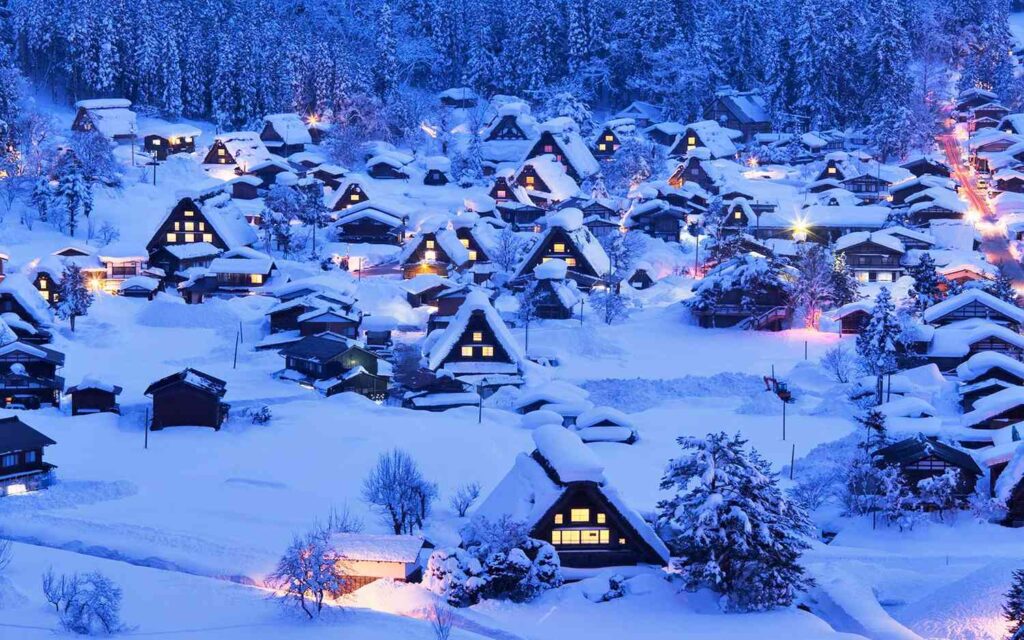
Many places around the world are famous for their winter beauty, but when people ask “Which place is known as the Land of Snow?”, the most widely accepted and globally recognized answer is Japan.
Japan has earned this title because of its heavy snowfall, long winters, snow-covered landscapes, and deep cultural connection with snow, especially in its northern and mountainous regions.
In this article, we explore why Japan is called the Land of Snow, its geography, climate, famous snowy regions, cultural significance of snow, and other places that are sometimes associated with this title.
Why Is Japan Called the Land of Snow?
Japan receives some of the heaviest snowfall on Earth, particularly along the western coast and in northern regions. What makes Japan unique is not just the amount of snow, but how consistently and widely it falls across inhabited areas.
Key reasons Japan is called the Land of Snow include:
- Extremely high annual snowfall in many regions
- Long winter seasons with persistent snow cover
- Mountain ranges that trap cold air and moisture
- Cultural traditions centered around snow and winter life
In fact, some Japanese towns receive over 10 meters (30+ feet) of snow every year, a figure that rivals or exceeds many Arctic regions.
The Geography Behind Japan’s Heavy Snowfall
Japan’s geography plays a crucial role in creating its snowy identity.
Cold Winds from Siberia
During winter, cold air masses move from Siberia across the Sea of Japan. As these winds absorb moisture from the sea and hit Japan’s mountainous terrain, they release massive snowfall.
Mountainous Landscape
About 70% of Japan is mountainous, causing moisture-laden clouds to rise and cool rapidly, producing intense snowstorms—especially on the western side of the country.
Latitude and Climate
While Japan is not extremely far north, its unique weather patterns make snowfall heavier than in many colder regions of the world.
Hokkaido – The Snow Capital of Japan
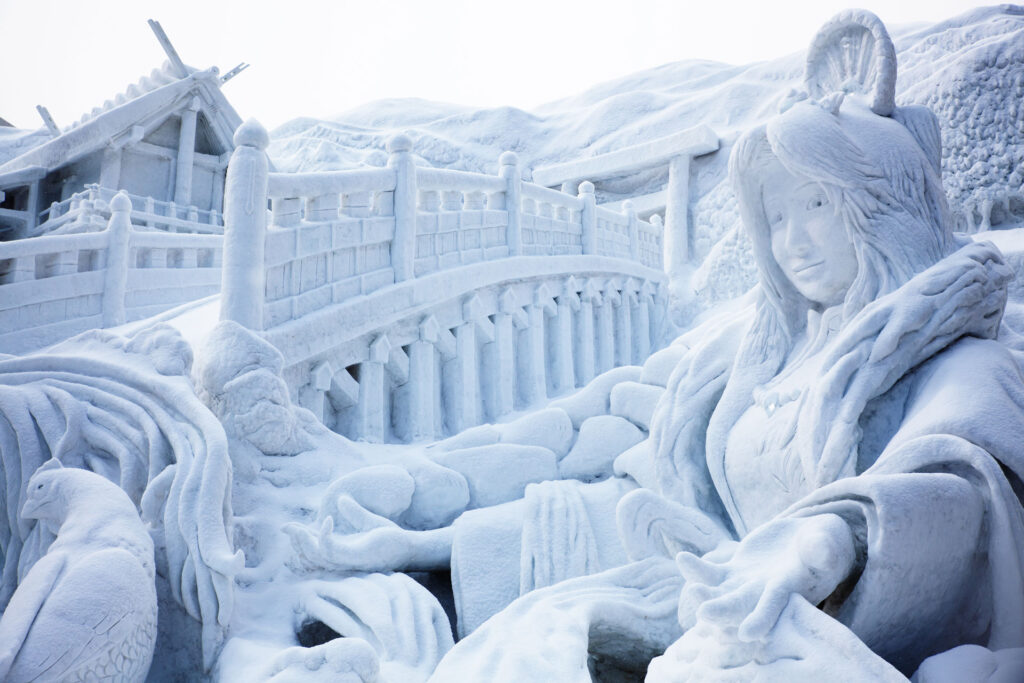
The northern island of Hokkaido is the heart of Japan’s “Land of Snow” reputation.
Why Hokkaido Stands Out
- Long, harsh winters
- Consistent powder snow
- Temperatures well below freezing
- World-famous winter festivals
The city of Sapporo hosts the internationally known Sapporo Snow Festival, where enormous snow sculptures attract millions of visitors each year.
Japanese Alps – Mountains Wrapped in Snow
The Japanese Alps, located in central Honshu, are another major contributor to Japan’s snowy fame.
These mountains:
- Remain snow-covered for several months
- Create postcard-perfect winter landscapes
- Support winter sports and alpine villages
Regions such as Nagano and Niigata are especially known for deep snow and winter tourism.
Niigata – One of the Snowiest Inhabited Regions
Niigata Prefecture regularly ranks among the snowiest inhabited places on Earth.
Here:
- Snowfall can block roads and bury houses
- Homes are designed with steep roofs to prevent collapse
- Daily life continues despite extreme winter conditions
This resilience has become a defining part of Japan’s snow culture.
Snow in Japanese Culture and Literature
Snow is not just a weather phenomenon in Japan—it is deeply woven into art, poetry, and daily life.
In Literature
The famous Japanese novel Snow Country vividly portrays life in Japan’s snowbound regions, highlighting the beauty and isolation of winter.
In Art and Tradition
- Snow appears frequently in traditional paintings
- Winter festivals celebrate snow rather than avoid it
- Hot springs (onsen) are enjoyed surrounded by snow
Snow symbolizes purity, silence, and impermanence in Japanese philosophy.
Winter Sports and Snow Tourism
Japan’s identity as the Land of Snow has made it a global destination for winter tourism.
Popular activities include:
- Skiing and snowboarding
- Snowshoe hiking
- Ice fishing
- Snow festivals and cultural events
Japanese powder snow is often considered among the best in the world, drawing athletes and tourists from Europe, North America, and Australia.
Other Places Sometimes Called the “Land of Snow”
While Japan is the most recognized answer, a few other regions are occasionally referred to as the Land of Snow in different contexts.
Kashmir (India)
Often called “Paradise on Earth,” Kashmir is known for its snow-covered valleys and Himalayan landscapes, especially in winter.
Siberia (Russia)
Siberia experiences extreme cold and snow, but it is more often described as the “Land of Ice” due to its harsh, frozen conditions rather than cultural snow life.
Greenland
Covered by ice and snow year-round, Greenland fits the literal definition but lacks the inhabited, cultural snow lifestyle that Japan represents.
Why Japan Stands Out Among All Snow Regions
What truly makes Japan the Land of Snow is the combination of factors, not just snowfall alone:
- Heavy snow in populated regions
- Centuries-old cultural adaptation
- Architecture, food, and lifestyle shaped by snow
- Celebration of snow through festivals and art
Snow in Japan is not something to endure—it is something to embrace and celebrate.
Climate Change and the Future of Japan’s Snow
In recent years, climate change has begun affecting snowfall patterns. Some regions experience:
- Shorter winters
- Irregular snowfall
- Rising temperatures
However, northern Japan still remains one of the snowiest places on Earth, and efforts are underway to preserve winter ecosystems and traditions.
Conclusion
So, which place is known as the Land of Snow?
The most accurate and globally accepted answer is Japan.
With its extraordinary snowfall, snow-covered mountains, winter festivals, and deep cultural connection to snow, Japan has truly earned this title. From the frozen beauty of Hokkaido to the alpine charm of the Japanese Alps, snow shapes not only the landscape but also the identity of the nation.
Japan stands as a reminder that snow can be more than cold weather—it can be culture, beauty, resilience, and inspiration.