
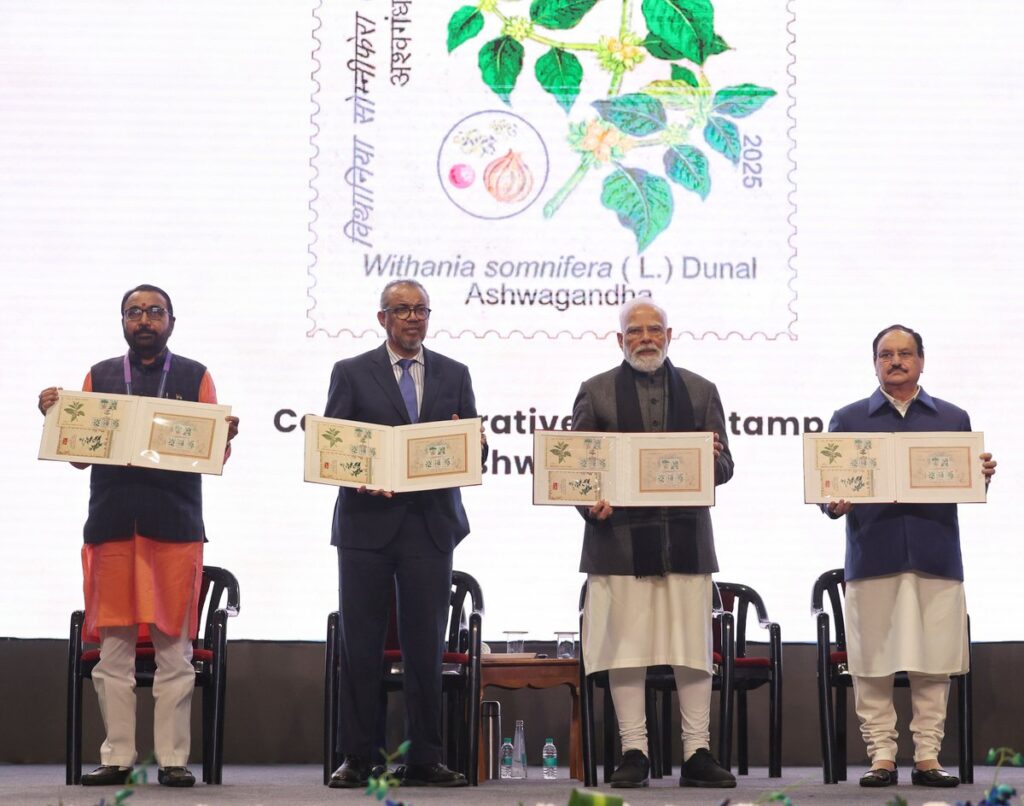
In a landmark moment for traditional medicine and India’s global health diplomacy, the Narendra Modi released a commemorative postal stamp on Ashwagandha during the WHO Global Summit on Traditional Medicine. The unveiling of the stamp symbolises India’s commitment to promoting evidence-based traditional medicine systems and integrating them with modern healthcare frameworks at a global level.
The event marked a significant convergence of ancient wisdom and modern public health, highlighting India’s leadership role in advancing traditional medicine as a complementary pillar of global healthcare systems.
Significance of the WHO Global Summit on Traditional Medicine
The World Health Organization Global Summit on Traditional Medicine brought together policymakers, scientists, healthcare professionals, and traditional medicine practitioners from across the world. The summit focused on:
- Strengthening global cooperation in traditional medicine
- Promoting scientific validation and safety standards
- Integrating traditional medicine into national health systems
- Ensuring accessibility, quality, and sustainability
India, with its rich heritage of Ayurveda, Yoga, Unani, Siddha, and Homeopathy, played a central role at the summit, reinforcing its position as a global advocate for holistic healthcare.
Why Ashwagandha Was Chosen
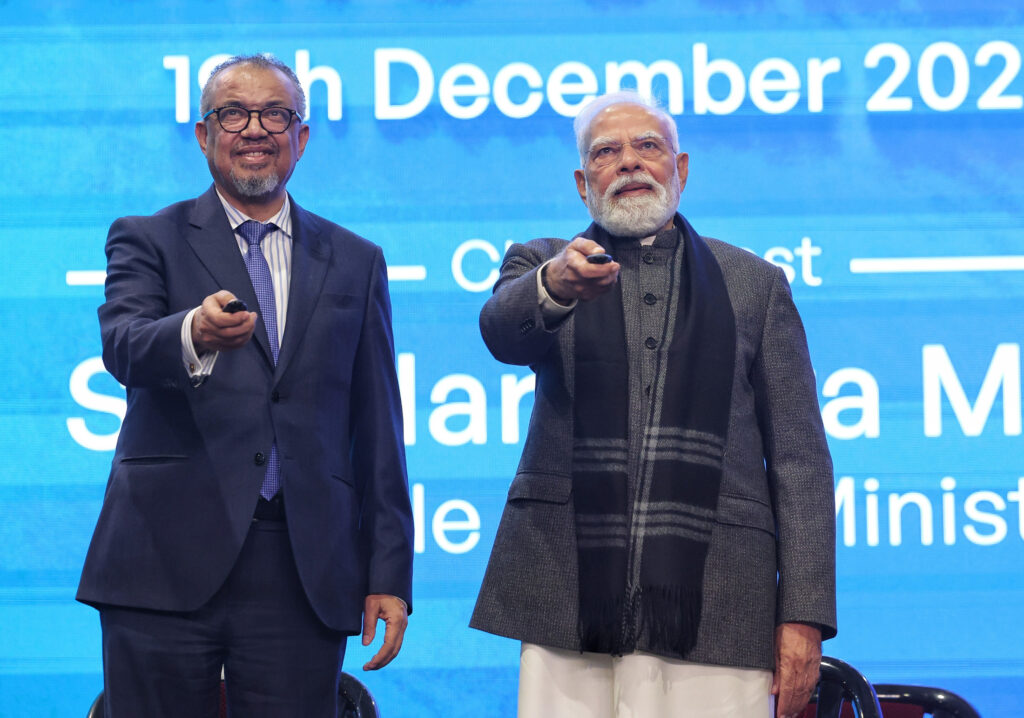
Ashwagandha, one of the most well-known herbs in Ayurveda, has gained worldwide recognition for its health-promoting properties. The release of a commemorative postal stamp on Ashwagandha underscores its growing relevance in global wellness and preventive healthcare.
Ashwagandha is traditionally known for:
- Supporting stress management and mental well-being
- Enhancing physical strength and vitality
- Improving immunity and resilience
- Promoting overall balance in the body
In recent years, Ashwagandha has also attracted scientific interest, with multiple studies exploring its adaptogenic, anti-inflammatory, and neuroprotective properties.
Symbolism of the Commemorative Postal Stamp
Postal stamps have long served as cultural ambassadors, carrying a nation’s heritage, achievements, and values across borders. By releasing a commemorative stamp on Ashwagandha, the Prime Minister conveyed several important messages:
- Recognition of India’s traditional knowledge systems
- Commitment to evidence-based traditional medicine
- Promotion of preventive and holistic healthcare
- Cultural pride linked with scientific responsibility
The stamp serves as a visual reminder of India’s contribution to global wellness traditions.
India’s Vision for Traditional Medicine
India has consistently advocated for the global acceptance of traditional medicine, not as an alternative but as a complementary system alongside modern medicine. At the summit, the Prime Minister emphasized the importance of:
- Scientific validation of traditional remedies
- Standardization and quality control
- Ethical sourcing and sustainability of medicinal plants
- Global collaboration in research and innovation
This approach ensures that traditional medicine gains credibility, safety, and acceptance across healthcare systems worldwide.
Role of Ayurveda in Global Health
Ayurveda, India’s ancient system of medicine, is rooted in preventive care and lifestyle balance. Herbs like Ashwagandha play a key role in this system by addressing not just symptoms but underlying imbalances.
Globally, Ayurveda is increasingly being recognized for:
- Managing lifestyle-related disorders
- Supporting mental health and stress reduction
- Enhancing quality of life through holistic practices
The stamp release reinforces Ayurveda’s relevance in addressing modern health challenges such as stress, anxiety, and chronic illnesses.
Ashwagandha and Modern Scientific Research
One of the key themes highlighted at the WHO Global Summit was the importance of bridging traditional knowledge with modern science. Ashwagandha stands as a prime example of this integration.
Recent scientific research has examined Ashwagandha for:
- Stress and cortisol regulation
- Cognitive health and memory support
- Sleep quality improvement
- Physical endurance and recovery
Such studies help build global confidence in traditional medicine by aligning ancient practices with modern research methodologies.
Economic and Agricultural Impact
The global popularity of Ashwagandha has also created economic opportunities for farmers and herbal producers in India. The commemorative stamp highlights the importance of:
- Promoting medicinal plant cultivation
- Supporting rural livelihoods
- Ensuring sustainable harvesting practices
- Expanding exports of herbal products
By positioning Ashwagandha as a global wellness product, India strengthens its role in the international herbal and nutraceutical market.
Strengthening India’s Soft Power
Cultural diplomacy plays a vital role in international relations, and traditional medicine is emerging as a powerful soft power tool for India. The stamp release at an international forum reflects:
- India’s confidence in its knowledge traditions
- Willingness to share wellness solutions globally
- Leadership in inclusive and preventive healthcare
Such initiatives enhance India’s global image as a country that blends tradition with innovation.
WHO’s Support for Traditional Medicine Integration
The WHO has increasingly acknowledged the role of traditional medicine in achieving universal health coverage. Through global strategies and guidelines, the organization supports:
- Safe and effective use of traditional remedies
- Regulation and standardization
- Integration into national healthcare policies
India’s collaboration with WHO in this area demonstrates a shared vision for inclusive, accessible, and culturally sensitive healthcare systems.
Public and Expert Reactions
The unveiling of the commemorative stamp was widely welcomed by:
- Ayurveda practitioners and researchers
- Public health experts
- Wellness industry leaders
- Advocates of integrative medicine
Experts noted that symbolic initiatives like this help raise awareness, encourage research, and foster international dialogue on traditional medicine.
Educational and Awareness Value
Beyond symbolism, the stamp also serves an educational purpose. It sparks curiosity and awareness about:
- Medicinal plants and their benefits
- India’s traditional healthcare systems
- Preventive and lifestyle-based health approaches
Such awareness is particularly important in promoting informed and responsible use of traditional medicine.
Challenges Ahead
While global interest in traditional medicine is growing, experts caution that:
- Claims must be backed by scientific evidence
- Quality and safety standards must be strictly enforced
- Misinformation should be actively countered
India’s emphasis on research, regulation, and collaboration is crucial to addressing these challenges effectively.
A Step Toward Global Health Equity
Traditional medicine can play a vital role in expanding healthcare access, especially in resource-limited settings. Affordable, locally available remedies like Ashwagandha can complement modern treatments and support preventive care.
The Prime Minister’s message at the summit highlighted that global health equity requires:
- Respect for diverse medical traditions
- Sharing of knowledge and best practices
- Inclusive policies that value local wisdom
Conclusion
The release of a commemorative postal stamp on Ashwagandha by the Prime Minister at the WHO Global Summit on Traditional Medicine marks a historic moment in India’s journey to globalize its traditional knowledge systems responsibly. It reflects a vision where ancient wisdom and modern science work together to promote better health, resilience, and well-being.
As the world searches for sustainable and preventive healthcare solutions, India’s leadership in traditional medicine—symbolized through this stamp—reinforces the idea that the future of global health lies in integration, collaboration, and respect for time-tested knowledge.