
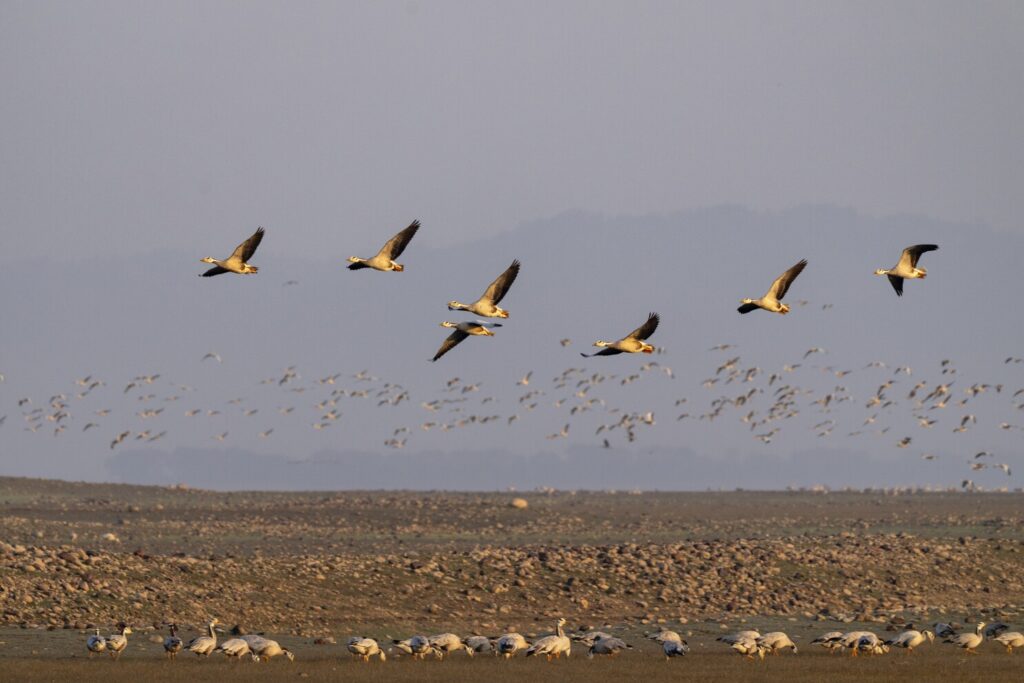
National Bird Day 2026, observed on January 5, is a global reminder of the beauty, importance, and vulnerability of birds. From colorful songbirds to majestic birds of prey, avian species play a vital role in maintaining ecological balance. This special day goes beyond celebration—it is a call for awareness, conservation, and responsible coexistence with nature.
As environmental challenges intensify due to climate change, habitat loss, and illegal wildlife trade, National Bird Day 2026 becomes even more relevant. It encourages individuals, institutions, and governments to protect bird species and preserve biodiversity for future generations.
What Is National Bird Day?
National Bird Day is observed every year on January 5 to raise awareness about bird conservation, avian welfare, and the threats birds face worldwide. The day focuses on educating people about the importance of birds in ecosystems and discouraging harmful practices such as illegal pet trade, poaching, and habitat destruction.
Unlike many symbolic observances, National Bird Day strongly emphasizes ethical treatment of birds and environmental responsibility.
History of National Bird Day
National Bird Day was established in 2002 by Avian Welfare Coalition, in association with Born Free USA. The primary aim was to draw attention to the suffering of birds due to captivity, commercial trade, and human exploitation.
January 5 was chosen intentionally to counter the spike in bird purchases during holiday seasons, when exotic birds are often bought as pets without understanding their complex needs. Many of these birds later suffer from neglect, abandonment, or premature death.
Over the years, National Bird Day has gained international recognition, supported by conservationists, wildlife organizations, educators, and nature enthusiasts.
Why National Bird Day Is Important in 2026
1. Rising Threats to Bird Species
According to global conservation data, nearly 1 in 8 bird species is threatened with extinction. Deforestation, urban expansion, pesticide use, and climate change have drastically reduced natural habitats.
2. Climate Change Impact
Changing weather patterns affect migration routes, breeding cycles, and food availability. National Bird Day 2026 highlights the urgent need to address climate change from a biodiversity perspective.
3. Illegal Wildlife Trade
Bird trafficking remains one of the largest illegal wildlife trades globally. Many exotic birds are captured and sold, often dying before reaching buyers.
4. Ecosystem Balance
Birds play a crucial role in:
- Pollination
- Seed dispersal
- Pest control
- Maintaining food chains
Their decline directly impacts agriculture, forests, and human livelihoods.
Significance of National Bird Day

National Bird Day is significant not just for bird lovers, but for anyone concerned about environmental sustainability.
Environmental Significance
Birds are indicator species—their health reflects the health of ecosystems. A decline in bird populations often signals deeper environmental issues.
Educational Significance
The day encourages schools, colleges, and environmental groups to educate people about:
- Native bird species
- Ethical birdwatching
- Conservation laws
Cultural Significance
Birds hold deep cultural and spiritual importance worldwide. In India, the Indian Peacock symbolizes grace, beauty, and pride. Protecting birds is also about preserving cultural heritage.
National Bird Day in India
India is home to over 1,300 bird species, making it one of the richest countries in avian diversity. From Himalayan highlands to coastal wetlands, birds are integral to India’s ecosystems.
Key Indian Bird Conservation Efforts:
- Wildlife Protection Act, 1972
- Bird sanctuaries and wetlands conservation
- Community-led conservation programs
National Bird Day 2026 offers an opportunity for Indian citizens to focus on protecting native species such as sparrows, vultures, hornbills, and migratory birds.
How National Bird Day Is Observed
Across the world, National Bird Day is observed through various activities:
Awareness Campaigns
Environmental organizations conduct online and offline campaigns to educate people about bird welfare.
Birdwatching Events
Nature groups organize guided birdwatching walks to promote appreciation of birds in their natural habitats.
School & College Programs
Educational institutions host talks, drawing competitions, quizzes, and documentary screenings.
Social Media Advocacy
Hashtags like #NationalBirdDay, #SaveBirds, and #BirdConservation trend globally, spreading awareness to younger audiences.
Key Facts About Birds You Should Know
- Birds are the only animals with feathers
- Some migratory birds travel thousands of kilometers annually
- Birds can see a wider range of colors than humans
- Owls can rotate their heads up to 270 degrees
- Vultures play a critical role in preventing disease spread by consuming carcasses
These fascinating facts underline why birds deserve protection and respect.
What You Can Do to Support Bird Conservation
National Bird Day 2026 is not just about awareness—it’s about action.
Simple Steps Individuals Can Take:
- Avoid keeping birds as pets
- Support wildlife conservation organizations
- Plant native trees and shrubs
- Provide clean water bowls for birds
- Reduce plastic and pesticide use
For Businesses & Communities:
- Promote eco-friendly practices
- Support habitat restoration projects
- Fund or partner with conservation NGOs
Small actions, when multiplied, can create significant impact.
National Bird Day and Sustainable Future
Bird conservation aligns closely with global sustainability goals. Protecting birds helps combat climate change, supports agriculture, and preserves biodiversity. National Bird Day 2026 reinforces the idea that human survival is deeply connected to the survival of other species.
Governments, corporations, and citizens must work together to ensure that development does not come at the cost of ecological destruction.
Conclusion
National Bird Day 2026 is more than a date on the calendar—it is a powerful reminder of our responsibility toward nature. Birds enrich our lives with beauty, song, and ecological balance, yet many face extinction due to human actions.
By understanding the history, significance, and facts behind National Bird Day, we can move from awareness to meaningful action. Protecting birds today ensures a healthier planet tomorrow—for humans and wildlife alike.
Let National Bird Day 2026 inspire us to look up, listen to the birds, and commit to safeguarding their future.