
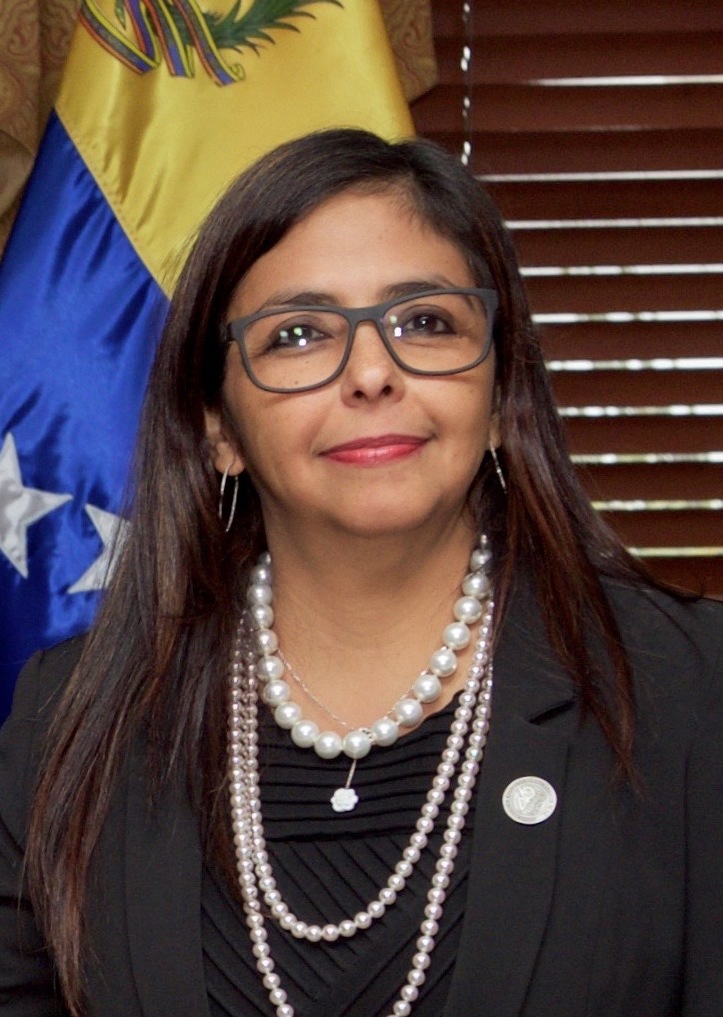
Delcy Rodríguez has long been one of the most powerful and influential figures in Venezuelan politics. Known for her firm loyalty to the ruling socialist establishment and her strong international posture, Rodríguez moved into the global spotlight following reports of the arrest of President Nicolás Maduro, after which she was named interim president of Venezuela by domestic state institutions.
Her sudden rise to interim leadership marks a critical moment for Venezuela, a country already grappling with economic hardship, political polarization, and intense international scrutiny. This article explores who Delcy Rodríguez is, her political journey, ideology, controversies, and the challenges she faces at one of the most unstable moments in Venezuela’s modern history.
Who Is Delcy Rodríguez?
Delcy Rodríguez is a senior Venezuelan politician, lawyer, and long-time member of the country’s ruling socialist movement. Before assuming interim presidential authority, she served for years as Vice President of Venezuela, making her constitutionally next in line during an executive vacuum.
She is widely regarded as one of the most powerful women in Latin American politics and a key strategist behind Venezuela’s governance and diplomatic stance.
Early Life and Education
Delcy Eloína Rodríguez Gómez was born on May 18, 1969, in Caracas, Venezuela. She comes from a deeply political family. Her father, Jorge Antonio Rodríguez, was a prominent left-wing activist, and her brother, Jorge Rodríguez, later became a senior political leader and parliamentary figure.
Rodríguez studied law at the Central University of Venezuela, one of the country’s most prestigious institutions. During her student years, she became actively involved in political activism, aligning herself with leftist and socialist movements that would later shape her career.
She later pursued advanced studies in labor law and political theory, including academic exposure in Europe, which helped shape her legal and international outlook.
Political Rise: From Revolutionary Politics to State Power
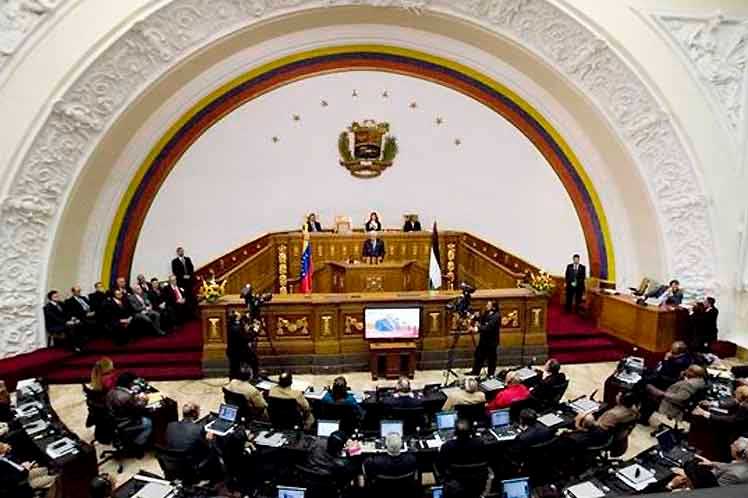
Delcy Rodríguez’s political ascent is closely tied to the Bolivarian movement, originally led by former President Hugo Chávez. She emerged as a strong ideological defender of the revolution’s principles: state sovereignty, social welfare, and resistance to Western political influence.
Over the years, she held several key positions:
- Minister of Communication and Information – where she controlled state messaging and media strategy
- Minister of Foreign Affairs – becoming Venezuela’s primary diplomatic voice on the global stage
- President of the Constituent National Assembly – during one of the country’s most controversial constitutional phases
- Vice President of Venezuela – the second-highest executive office in the country
Each role expanded her authority and positioned her as a trusted figure within the ruling party structure.
Becoming Interim President: What Happened?
Following reports of the arrest of President Nicolás Maduro, Venezuela entered a constitutional gray zone. According to state institutions loyal to the existing power structure, the presidency was temporarily vacated, triggering succession mechanisms.
As Vice President, Delcy Rodríguez was appointed interim president to ensure continuity of governance, state administration, and military command. Her appointment was backed by Venezuela’s top judicial and executive bodies, though it remains highly contested internationally.
The situation sparked global debate, with many countries questioning both the legality of the arrest and the legitimacy of the interim transition.
Ideology and Political Philosophy
Delcy Rodríguez is considered a hardline Chavista, firmly committed to socialist governance and national control over strategic resources.
Her ideology is built on:
- Anti-imperialism and resistance to foreign intervention
- Strong state control over oil, energy, and public services
- Social welfare programs backed by centralized governance
- Rejection of Western-led political pressure
She is known for her direct, confrontational rhetoric, especially when addressing foreign governments and international organizations.
Role in Venezuela’s Oil and Economic Strategy
In addition to political roles, Rodríguez has been deeply involved in Venezuela’s oil and economic policy, including leadership responsibilities related to the petroleum sector.
Given that oil revenues remain Venezuela’s economic backbone, her experience in this area is seen by supporters as critical for:
- Managing sanctions pressure
- Negotiating energy partnerships
- Stabilizing state revenue
Critics, however, argue that past policies under her influence failed to reverse economic decline.
Controversies and International Sanctions
Delcy Rodríguez is one of the most sanctioned Venezuelan officials globally. Multiple governments have accused her of:
- Undermining democratic institutions
- Supporting electoral irregularities
- Enabling suppression of political opposition
Sanctions against her have included travel restrictions and asset freezes, significantly limiting her international engagement. These measures continue to complicate her role as interim president, especially in diplomatic negotiations.
Domestic Support and Opposition
Inside Venezuela, Rodríguez’s leadership has generated mixed reactions:
Supporters say:
- She represents continuity and stability
- She has the experience to govern during crisis
- Her leadership protects national sovereignty
Critics argue:
- Her appointment lacks democratic legitimacy
- She is closely tied to past governance failures
- Venezuela needs elections, not interim rule
The divide reflects Venezuela’s broader political fragmentation.
Challenges Facing Delcy Rodríguez as Interim President
1. Legitimacy Crisis
Many countries refuse to recognize her authority, demanding elections or international mediation.
2. Economic Emergency
Inflation, currency instability, and infrastructure decay remain urgent challenges.
3. International Pressure
Geopolitical tensions continue, particularly with Western nations calling for regime change or reform.
4. Internal Stability
Maintaining unity within the military, bureaucracy, and ruling coalition is critical to her survival in office.
Global Reaction to Her Interim Leadership
International reactions have been sharply divided:
- Some allies emphasize non-interference and sovereignty
- Others call her leadership unconstitutional
- Global institutions remain cautious and non-committal
This division has left Venezuela in diplomatic limbo, with Rodríguez navigating one of the most complex leadership environments in the region.
What Happens Next for Venezuela?
Delcy Rodríguez’s interim presidency is widely seen as temporary, but the path forward remains unclear. Possible outcomes include:
- Negotiated elections
- Extended interim rule
- International mediation
- Further political escalation
Her actions in the coming months will significantly influence Venezuela’s political direction and international standing.
Conclusion
Delcy Rodríguez’s rise as Venezuela’s interim president marks a defining chapter in the country’s turbulent political history. A seasoned politician with deep roots in the socialist establishment, she now stands at the center of a global geopolitical storm.
Whether she becomes a stabilizing force or a transitional figure depends on her ability to manage legitimacy, economic recovery, and international pressure. What is certain is that Delcy Rodríguez is no longer just a power behind the throne—she is now the face of Venezuela’s leadership at a historic crossroads.