
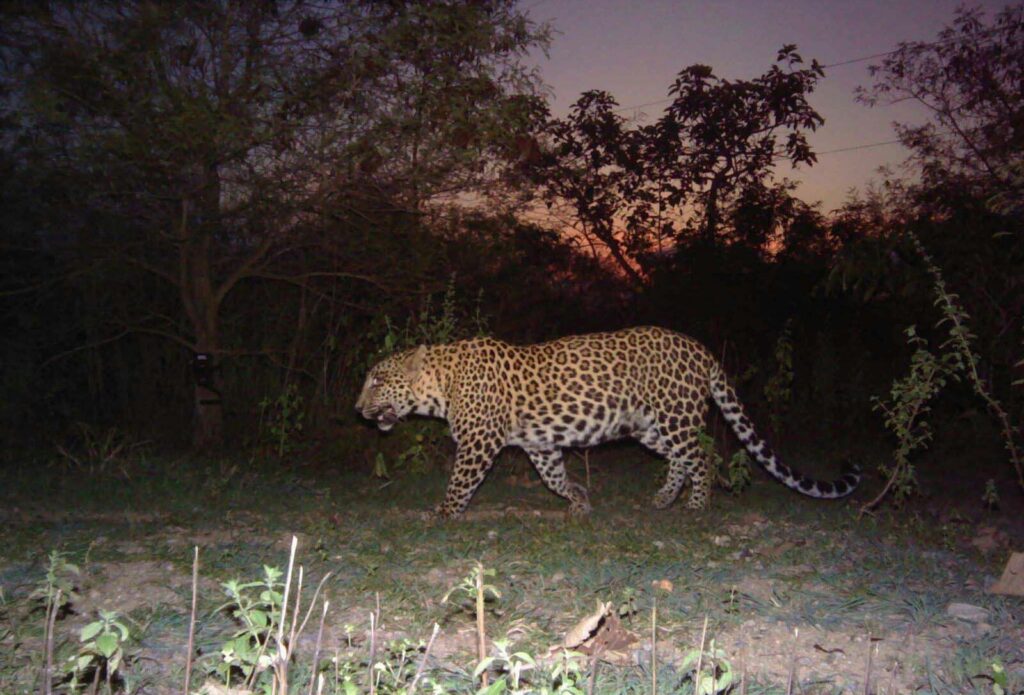
Karnataka has added a remarkable chapter to its wildlife history with the spotting of its first-ever ‘Sandalwood Leopard’—a term now used to describe a leopard recorded deep inside a sandalwood-dominated forest ecosystem. This rare sighting has excited wildlife experts, conservationists, and forest officials alike, as it signals not only the adaptability of the elusive big cat but also the improving health of Karnataka’s forest habitats.
The discovery highlights the growing success of conservation efforts, improved forest protection, and the silent return of apex predators to ecologically sensitive zones once thought unsuitable for large carnivores.
What Is the ‘Sandalwood Leopard’?
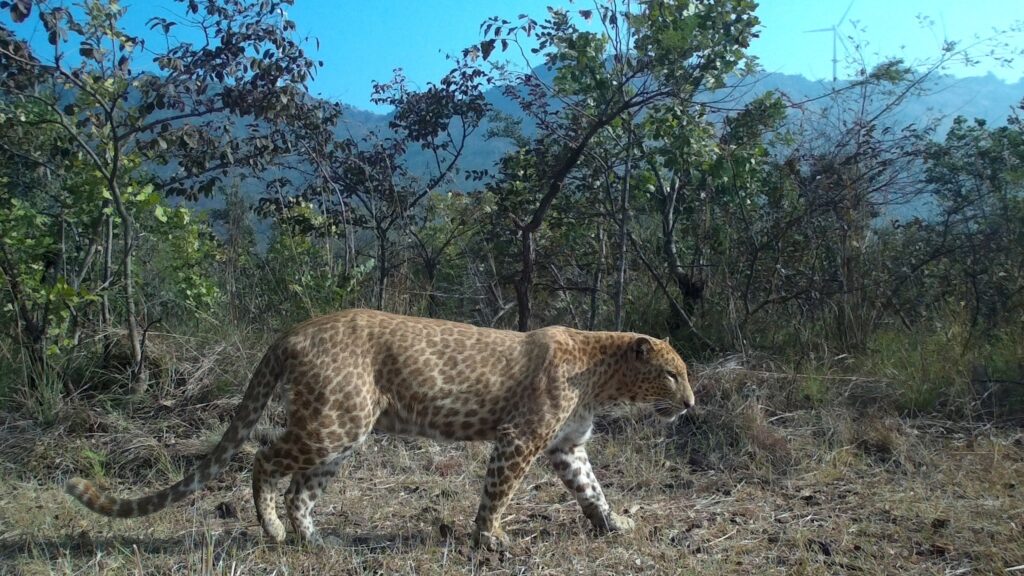
The term ‘Sandalwood Leopard’ does not denote a new species or subspecies. Instead, it refers to a leopard that has been conclusively documented thriving within sandalwood-rich forests, an ecosystem traditionally not associated with regular leopard habitation.
Sandalwood forests are usually:
- Dense but fragmented
- Closely monitored due to high-value timber
- Human-activity prone
Leopards are typically found in deciduous forests, scrublands, and buffer zones near human settlements. Their confirmed presence inside sandalwood forest belts makes this sighting ecologically significant and scientifically intriguing.
Where Was the Sandalwood Leopard Spotted?
The leopard was recorded in a forest region under the jurisdiction of the Karnataka Forest Department, within a protected zone known for natural sandalwood growth.
Forest officials confirmed the presence through:
- Camera trap images
- Paw-mark analysis
- Movement patterns over multiple weeks
The repeated sightings ruled out the possibility of a transient animal and strongly indicated territorial settlement.
Why This Sighting Is Important
1. Expansion of Leopard Habitat
The presence of a leopard in sandalwood forests suggests that:
- The prey base has improved
- Human disturbance has reduced
- Forest cover connectivity is strengthening
This reflects a positive shift in Karnataka’s wildlife corridors.
2. Indicator of Ecosystem Health
Leopards are apex predators. Their survival depends on:
- Stable prey populations
- Clean water sources
- Low poaching pressure
The sandalwood leopard’s presence indicates a balanced and recovering ecosystem.
3. Success of Forest Protection
Sandalwood forests are among the most protected areas due to:
- Illegal logging risks
- Smuggling history
Stronger surveillance, technology-based monitoring, and community involvement have indirectly created a safe environment for wildlife.
Sandalwood Forests: More Than Just Timber
Sandalwood forests are ecologically unique. Beyond their commercial value, they:
- Support diverse bird species
- Provide shelter for herbivores
- Maintain soil moisture and microclimates
Traditionally, conservation focus here centered on tree protection, not predator conservation. The leopard’s presence shifts this perspective, pushing for holistic biodiversity management.
How Leopards Adapt to New Habitats
Leopards are among the most adaptable big cats in the world. Their success across varied landscapes is due to:
- Flexible diet (deer, wild boar, small mammals)
- Nocturnal behavior to avoid humans
- Ability to thrive in fragmented habitats
- Exceptional camouflage skills
The sandalwood leopard likely adjusted its movement patterns to avoid patrol timings and human activity, demonstrating the species’ remarkable intelligence and adaptability.
Role of Technology in the Discovery
The discovery was possible largely due to:
- Advanced camera trap networks
- AI-assisted image analysis
- Long-term wildlife monitoring programs
Forest officials noted that earlier, such a presence might have gone unnoticed. Today, technology-backed conservation ensures accurate documentation and better decision-making.
Conservation Challenges Ahead
While the discovery is encouraging, it also brings challenges:
Human–Wildlife Conflict
Leopards moving into new habitats may eventually:
- Cross into nearby villages
- Target livestock if prey declines
Preventive strategies are crucial to avoid conflict.
Protection of Prey Base
For the leopard to survive long-term:
- Herbivore populations must remain stable
- Grazing pressure must be controlled
Continued Forest Vigilance
Any lapse in sandalwood protection could:
- Increase human disturbance
- Push predators away again
What This Means for Karnataka’s Wildlife Conservation
Karnataka is already known for:
- Strong forest governance
- Active wildlife research
- Community-based conservation
The sandalwood leopard adds to the state’s conservation success story, reinforcing the idea that protecting ecosystems holistically yields long-term rewards.
It also opens new opportunities for:
- Ecological studies
- Habitat modeling
- Wildlife tourism (controlled and ethical)
Public Awareness and Responsibility
Forest officials have urged the public to:
- Avoid spreading exact location details
- Refrain from attempting sightings
- Report unusual wildlife movement responsibly
Unregulated curiosity can undo years of conservation progress.
Broader Implications for Indian Wildlife
The sandalwood leopard sighting aligns with a broader national trend:
- Large carnivores reclaiming former habitats
- Improved forest cover in protected zones
- Growing coexistence narratives
It strengthens India’s position as a country where wildlife recovery is possible even amid population pressure, provided policies are consistent and science-driven.
Expert Opinions
Wildlife experts describe the sighting as:
- “A rare ecological crossover”
- “Proof that silent conservation works”
- “A reminder that predators return when forests heal”
Many have called for the sandalwood forest belt to be formally recognized as a multi-species conservation zone.
What Happens Next?
The Forest Department plans to:
- Intensify monitoring
- Study movement patterns
- Strengthen prey conservation
- Develop conflict-prevention protocols
Long-term data will determine whether the sandalwood leopard establishes a permanent territory or remains a low-density resident.
Conclusion
The spotting of Karnataka’s first ‘Sandalwood Leopard’ is more than a wildlife headline—it is a powerful symbol of ecological resilience. It proves that when forests are protected, when illegal activities are curbed, and when conservation is patient and persistent, nature responds.
This rare leopard now stands as a silent guardian of Karnataka’s sandalwood forests, reminding us that conservation success is often quiet, gradual, and deeply rewarding.
As Karnataka celebrates this milestone, the message is clear: protect habitats, and wildlife will find its way home.