
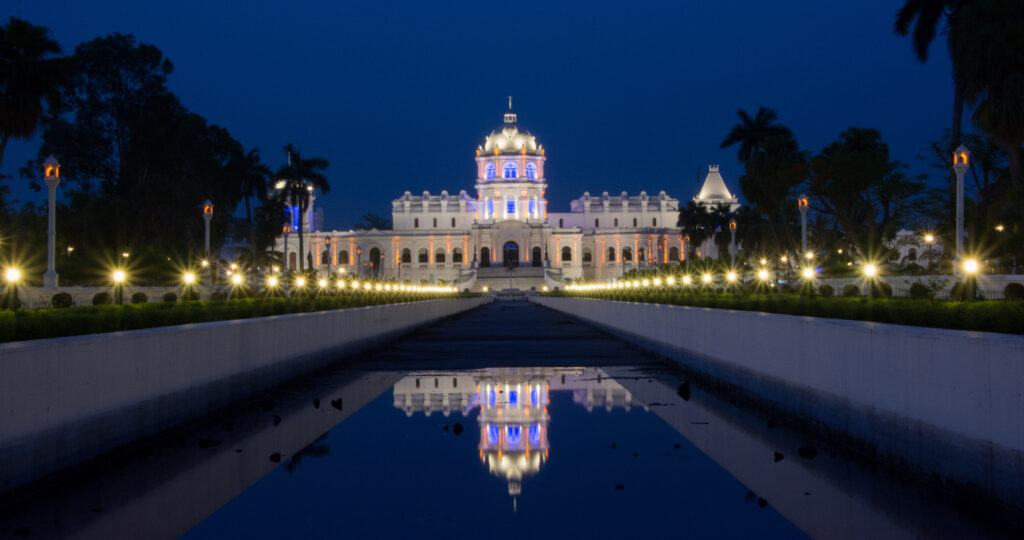
Discovering Agartala’s Unique Identity, Heritage, and Green Legacy
The city known as the “City of Bamboo” is Agartala, the capital of the northeastern Indian state of Tripura. This distinctive title is not a poetic exaggeration—it reflects Agartala’s deep-rooted relationship with bamboo as a cultural symbol, economic backbone, ecological asset, and architectural material.
From everyday household items and traditional housing to modern crafts and sustainable livelihoods, bamboo shapes the identity of Agartala in ways few cities can claim. This article explores why Agartala is called the City of Bamboo, tracing the history, culture, economy, environment, and future of bamboo in the region.
Why Agartala Is Called the City of Bamboo
Agartala’s association with bamboo stems from Tripura’s extraordinary bamboo abundance. The state is one of India’s richest bamboo regions, with bamboo covering a significant portion of its forest area. In and around Agartala, bamboo is not merely grown—it is lived with.
Key reasons behind the title include:
- Extensive bamboo forests in and around the city
- Generations of bamboo-based craftsmanship
- Daily use of bamboo in homes, tools, and rituals
- Strong bamboo-driven rural and urban economy
Together, these factors have earned Agartala its widely accepted identity as the City of Bamboo.
Bamboo in Tripura: A Natural Advantage

Tripura is home to more than 20 species of bamboo, thriving in its humid climate and fertile soil. Unlike many regions where bamboo is treated as a secondary forest product, in Tripura it is a primary natural resource.
Bamboo here grows:
- Rapidly and renewably
- Without intensive irrigation
- With minimal environmental impact
This abundance has naturally positioned Agartala, the state’s urban heart, as the center of bamboo culture and commerce.
Cultural Importance of Bamboo in Agartala
Bamboo as a Way of Life
In Agartala and surrounding communities, bamboo is integral to:
- Housing structures
- Fencing and roofing
- Furniture and storage
- Musical instruments and ritual items
For many families, bamboo is involved in life events—from birth ceremonies to weddings and festivals.
Tribal Heritage and Bamboo
Tripura is home to several indigenous communities for whom bamboo holds deep cultural and symbolic meaning. Traditional knowledge of bamboo harvesting, treatment, and crafting has been passed down through generations.
This living heritage keeps bamboo culture vibrant and relevant in modern Agartala.
Bamboo Handicrafts: Agartala’s Artistic Identity
Agartala is widely recognized for its bamboo handicrafts, which are valued across India and beyond.
Popular bamboo products include:
- Handwoven baskets
- Mats and trays
- Lampshades and décor
- Furniture and utility items
Artisans combine traditional techniques with contemporary designs, making Agartala a major hub for bamboo-based craftsmanship.
These crafts not only preserve culture but also provide sustainable livelihoods for thousands of families.
Economic Role of Bamboo in Agartala
Bamboo as a Livelihood Engine
Bamboo contributes significantly to Agartala’s economy through:
- Handicraft production
- Small-scale industries
- Construction materials
- Furniture and lifestyle products
Many urban and semi-urban households depend on bamboo-related work, making it a grassroots economic pillar.
Government and Institutional Support
To strengthen this sector, various initiatives have focused on:
- Skill development for artisans
- Market access and exhibitions
- Modern bamboo processing units
- Entrepreneurship promotion
These efforts have helped Agartala transition from traditional bamboo usage to value-added bamboo industries.
Bamboo Architecture and Urban Landscape
Bamboo is visible across Agartala’s physical landscape:
- Rural-style bamboo homes on city outskirts
- Bamboo fencing and gates
- Temporary structures for festivals and markets
Even modern architecture increasingly incorporates bamboo as:
- A sustainable design element
- A cost-effective material
- An eco-friendly alternative to wood and steel
This blend of tradition and innovation reinforces Agartala’s identity as the City of Bamboo.
Environmental Significance of Bamboo
A Green Guardian
Bamboo plays a vital role in:
- Preventing soil erosion
- Retaining groundwater
- Absorbing carbon dioxide
- Supporting biodiversity
For a region like Tripura, bamboo is both an ecological shield and a climate ally.
Sustainable Urban Future
As cities look for green building solutions, bamboo offers:
- Rapid renewability
- Low carbon footprint
- High strength-to-weight ratio
Agartala’s long-standing bamboo culture positions it as a model city for sustainable living.
Agartala and the National Bamboo Vision
India has increasingly recognized bamboo as a strategic resource. Tripura, with Agartala at its core, has emerged as a key contributor to this vision.
Bamboo-based initiatives aim to:
- Reduce plastic usage
- Promote green construction
- Boost rural employment
- Encourage eco-friendly industries
Agartala’s experience offers valuable lessons in combining tradition with sustainability.
Tourism and the City of Bamboo
Agartala’s bamboo identity also enhances its tourism appeal. Visitors are drawn to:
- Bamboo craft markets
- Cultural exhibitions
- Traditional villages near the city
- Heritage sites that reflect local materials and design
Bamboo souvenirs from Agartala are especially popular among tourists seeking authentic, eco-friendly keepsakes.
How Agartala Differs from Other Bamboo Regions
While bamboo is found across many parts of India, Agartala stands out because:
- Bamboo influences everyday urban life, not just rural areas
- Craft traditions are deeply institutionalized
- The city serves as both a cultural and commercial bamboo hub
This holistic integration is what truly earns Agartala the title of City of Bamboo.
Challenges Facing Bamboo Culture Today
Despite its strengths, Agartala’s bamboo ecosystem faces challenges:
- Competition from plastic and metal products
- Declining interest among younger generations
- Market access limitations for artisans
Addressing these requires:
- Design innovation
- Better branding and e-commerce reach
- Stronger links between tradition and modern demand
The Future of the City of Bamboo
Agartala’s bamboo story is far from over. The future points toward:
- Bamboo-based startups
- Sustainable housing projects
- Export-oriented handicrafts
- Integration with green urban planning
With the right policies and innovation, Agartala can strengthen its global reputation as a bamboo-centric sustainable city.
Why the Title “City of Bamboo” Truly Matters
This title is not just symbolic—it represents:
- Ecological wisdom
- Cultural continuity
- Economic resilience
- Sustainable living
In a world facing climate challenges, Agartala’s bamboo-based lifestyle offers a powerful example of how cities can grow without losing harmony with nature.
Conclusion
So, which city is known as the City of Bamboo?
The answer is Agartala, the capital of Tripura—a city where bamboo is not just a plant, but a way of life.
From culture and craftsmanship to economy and ecology, bamboo defines Agartala’s past, shapes its present, and guides its future. As sustainability becomes a global priority, Agartala’s bamboo legacy stands as a reminder that traditional knowledge can lead the way toward modern solutions.
Agartala is not only the City of Bamboo—it is a symbol of green heritage, resilient communities, and sustainable urban identity.