
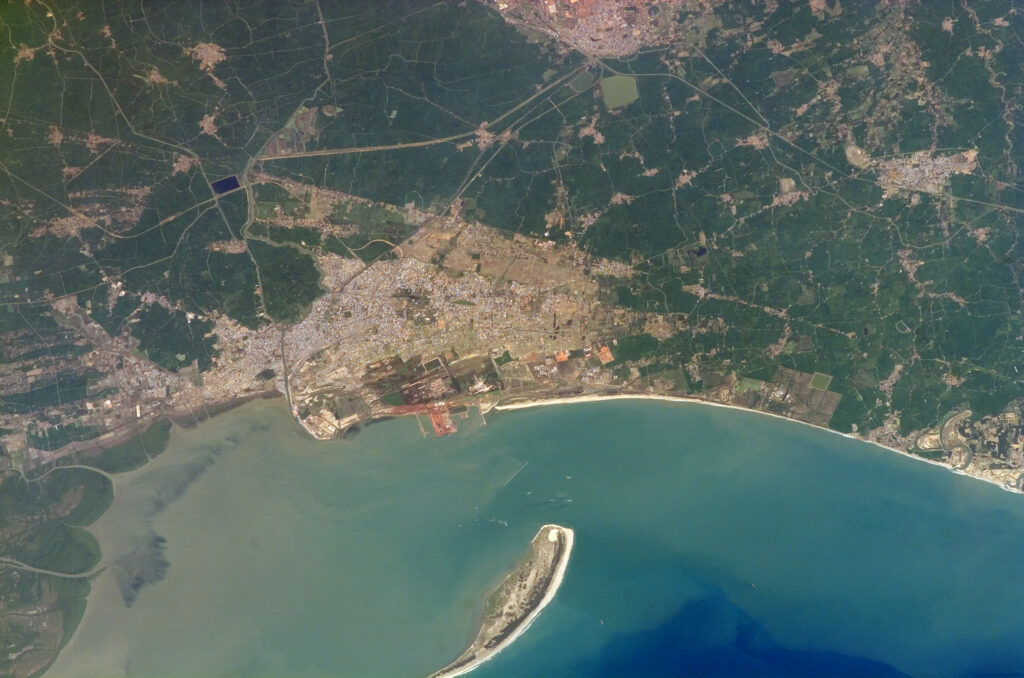
India’s rapidly expanding space ecosystem is set to receive a major boost with Andhra Pradesh planning a new spaceport at Hope Island, aimed primarily at private space launches. The proposed facility marks a significant step in India’s journey toward becoming a global hub for commercial space activities, enabling private companies and startups to conduct satellite launches from Indian soil.
The Hope Island spaceport is expected to complement existing national launch facilities, reduce congestion, encourage innovation, and position Andhra Pradesh as a key player in the country’s fast-growing space economy.
A New Chapter in India’s Space Ambitions
India has traditionally relied on government-led launch infrastructure, with national facilities supporting scientific, strategic, and commercial missions. However, the rise of private space companies, small satellite constellations, and on-demand launch services has created the need for dedicated, flexible launch sites.
The proposed Hope Island spaceport reflects this shift—from a state-led model to a public–private, innovation-driven space ecosystem.
Why Hope Island Was Chosen
Strategic Coastal Location
Hope Island, located off the coast of Andhra Pradesh, offers several strategic advantages:
- Direct access to the Bay of Bengal
- Safe launch trajectories over the ocean
- Reduced risk to populated areas
- Favorable latitude for certain orbital launches
Coastal launch sites are preferred globally because rockets can be launched eastward, using Earth’s rotation to gain additional velocity and efficiency.
Natural Geography and Safety
The island’s relative isolation makes it suitable for:
- Test launches
- Experimental vehicles
- Small and medium satellite missions
Safety corridors over open sea allow for debris fall zones without endangering communities, a critical requirement for private launch operations.
Focus on Private and Commercial Launches
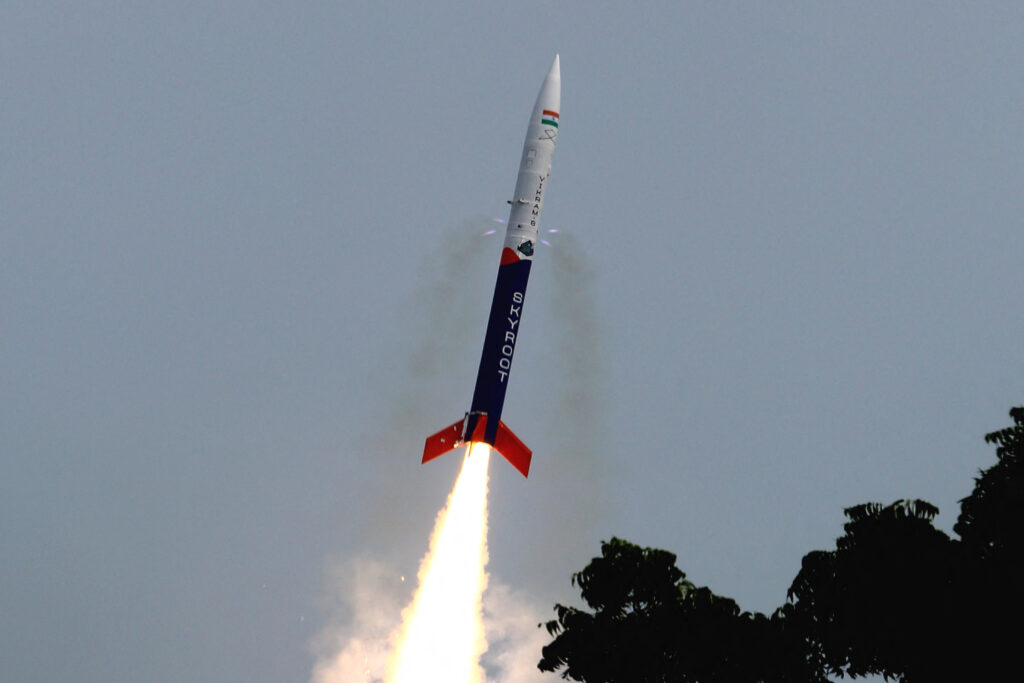
Unlike traditional spaceports designed mainly for government missions, the Hope Island facility is envisioned as a commercial-first spaceport.
Who Will Benefit?
- Indian space startups
- Private launch vehicle developers
- Small satellite operators
- International commercial partners
The spaceport is expected to support:
- Small Satellite Launch Vehicles (SSLVs)
- Micro-launchers
- Technology demonstration missions
This focus aligns with global trends, where the majority of launches are now driven by private demand.
Boost to India’s Private Space Industry
India’s space sector has opened up significantly in recent years, encouraging private participation across the value chain—from satellite manufacturing to launch services.
The Hope Island spaceport will:
- Reduce dependence on limited national launch slots
- Provide faster turnaround times
- Enable multiple launches per year
- Lower entry barriers for startups
This infrastructure is critical for India to remain competitive in the global commercial launch market.
Complementing Existing Space Infrastructure
India already operates major launch facilities, but rising demand has created capacity constraints. A new spaceport in Andhra Pradesh will:
- Decongest existing launch centers
- Allow specialization of launch sites
- Improve scheduling flexibility
- Support parallel missions
Rather than replacing existing facilities, Hope Island will strengthen the overall national space infrastructure.
Role of the State Government
The Andhra Pradesh government is actively positioning the state as a high-technology and aerospace hub.
Key Objectives
- Attract private investment in space and aerospace
- Create high-skilled employment
- Develop coastal technology corridors
- Integrate space activities with industrial growth
By offering land, infrastructure, and policy support, the state aims to become a preferred destination for space startups and global companies.
Economic Impact on Andhra Pradesh
Job Creation
The spaceport is expected to generate:
- Direct jobs in engineering, operations, and safety
- Indirect jobs in logistics, construction, and services
- Opportunities for local suppliers and MSMEs
Highly skilled employment will boost regional income levels and talent retention.
Investment and Industrial Growth
A functioning spaceport attracts:
- Aerospace manufacturing units
- Research and development centers
- Testing and integration facilities
This can lead to the creation of a space technology cluster along the Andhra Pradesh coast.
Strategic Importance for India
Strengthening Space Self-Reliance
A dedicated private-launch spaceport enhances India’s:
- Strategic autonomy in space
- Ability to support domestic launch demand
- Capacity to respond quickly to commercial opportunities
This supports the broader national goal of technological self-reliance.
Enhancing Global Competitiveness
Countries like the US and New Zealand already host multiple commercial launch sites. With Hope Island, India strengthens its position in:
- Small satellite launch services
- Cost-effective space access
- Emerging space markets
India’s reputation as a reliable and affordable space launch provider stands to grow.
Environmental and Regulatory Considerations
Environmental Safeguards
Given Hope Island’s coastal ecosystem, environmental planning will be crucial. Proposed measures include:
- Detailed environmental impact assessments
- Controlled launch frequencies
- Protection of marine and coastal biodiversity
- Sustainable infrastructure design
Balancing development with ecological responsibility will be a key focus.
Regulatory Framework
Private launches require:
- Clear safety and liability norms
- Airspace and maritime coordination
- Licensing and compliance mechanisms
India’s evolving space regulations will play a critical role in ensuring smooth, safe operations at the new spaceport.
Opportunities for Startups and Innovation
For startups, access to launch infrastructure is often the biggest hurdle. The Hope Island spaceport offers:
- Reduced waiting times
- Lower operational costs
- Proximity to launch and testing facilities
- Opportunities for rapid iteration
This can accelerate innovation in:
- Launch vehicle design
- Satellite deployment
- Reusable technologies
International Collaboration Potential
The spaceport could also attract:
- Foreign satellite operators
- International space startups
- Collaborative missions
India’s cost advantage, combined with reliable infrastructure, makes it an attractive alternative to traditional launch destinations.
Challenges Ahead
Despite its promise, the project faces challenges:
- Infrastructure development timelines
- Environmental clearances
- Integration with national air and sea traffic systems
- Ensuring long-term commercial viability
Careful planning and coordination will be essential to address these issues.
A Turning Point for Indian Space Commercialization
The Hope Island spaceport represents a shift in mindset—from viewing space as an exclusive government domain to embracing it as a commercial and entrepreneurial frontier.
It signals confidence in:
- Indian private enterprise
- Startup-driven innovation
- Global demand for affordable space access
What This Means for the Future
In the coming years, the Hope Island spaceport could:
- Host regular private launches
- Support India’s satellite broadband ambitions
- Enable rapid-response space missions
- Serve as a testbed for next-generation launch systems
It has the potential to become a cornerstone of India’s commercial space strategy.
Conclusion
The proposal to build a new spaceport at Hope Island in Andhra Pradesh for private launches marks a major milestone in India’s space journey. By creating dedicated infrastructure for commercial missions, India is empowering its private sector, strengthening its global competitiveness, and unlocking new economic opportunities.
For Andhra Pradesh, the spaceport promises technological leadership, investment inflows, and high-quality jobs. For India, it represents a bold step toward becoming a global leader in commercial space launches.
As the world’s space economy expands rapidly, Hope Island could soon become a launchpad not just for rockets—but for India’s ambitions in the final frontier.