
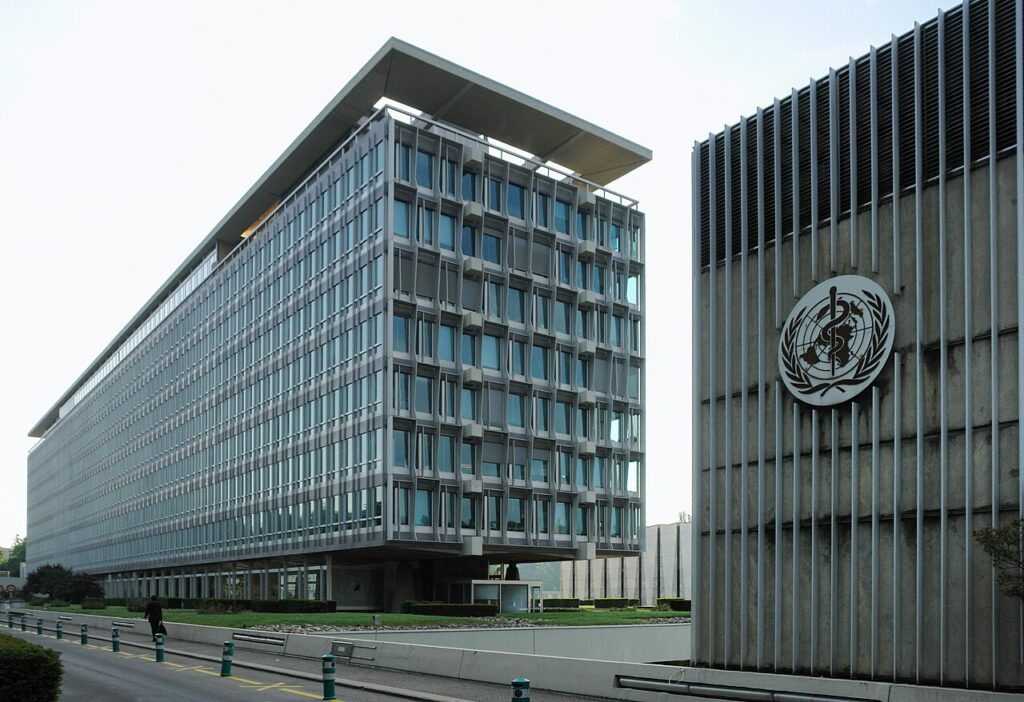
In a major development with far-reaching implications for global public health, the United States has formally exited the World Health Organization (WHO). The decision marks a historic shift in international health cooperation and has sparked widespread debate about global preparedness, multilateralism, and the future of coordinated responses to health emergencies.
The US withdrawal from the WHO represents one of the most consequential changes in global health governance in decades, given America’s long-standing role as the organization’s largest financial contributor and most influential member.
Understanding the World Health Organization
The World Health Organization, established in 1948, is the United Nations’ specialized agency for public health. Its core responsibilities include:
- Coordinating global responses to health emergencies
- Setting international health standards and guidelines
- Supporting disease surveillance and research
- Strengthening health systems in developing countries
- Promoting universal health coverage
With 190+ member states, WHO acts as the central platform for managing cross-border health threats that no single nation can tackle alone.
Why the US Exit Matters
The United States has historically been one of WHO’s most powerful stakeholders. Its exit is significant because:
- The US was the largest single financial contributor
- American institutions played a major role in WHO research and policy
- US influence shaped global health priorities
- Many international health initiatives relied on US funding and expertise
The departure therefore affects not just the WHO, but the entire architecture of global health cooperation.
Reasons Cited for the US Exit
The US decision to leave the WHO has been justified on several grounds, including:
Concerns Over Governance and Accountability
US officials have argued that the WHO requires major reforms in transparency, governance, and decision-making processes.
Handling of Global Health Crises
Criticism has focused on the organization’s response to major international health emergencies, with claims of delayed action and insufficient independence.
National Sovereignty
The US government has emphasized the need to retain full control over domestic health policy without being bound by international frameworks.
Financial Burden
Concerns were also raised about the scale of US financial contributions relative to perceived benefits.
These reasons together formed the basis for the formal withdrawal.
What the Exit Means Legally and Institutionally
Exiting the WHO involves:
- Termination of membership status
- Withdrawal of assessed and voluntary funding
- Loss of voting rights and leadership positions
- Reduced access to internal WHO decision-making forums
While the US can still collaborate informally with WHO programs, it no longer has institutional authority or obligations within the organization.
Immediate Impact on the WHO
Financial Implications
The loss of US funding creates a significant budget gap. This may affect:
- Disease surveillance programs
- Emergency response funding
- Technical assistance to low-income countries
- Research and data-sharing initiatives
WHO may need to rely more heavily on other member states or private donors to fill the gap.
Operational Adjustments
Programs that previously depended on US financial or technical support may face restructuring, delays, or downsizing.
Impact on Global Health Security
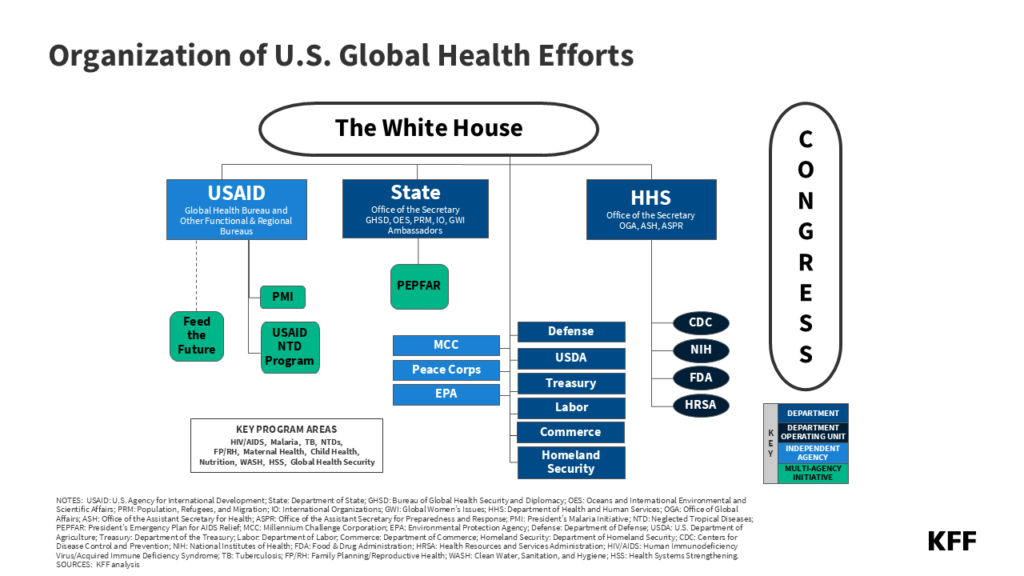
Pandemic Preparedness
Global disease outbreaks do not respect national borders. Without US participation:
- Coordination during pandemics may become fragmented
- Data sharing could be slower or incomplete
- Global response efforts may lose scale and speed
This raises concerns about preparedness for future health emergencies.
Disease Surveillance and Research
The US plays a major role in global research networks. Reduced integration may weaken early warning systems for emerging diseases.
Implications for Developing Countries
Many low- and middle-income countries depend on WHO-supported programs funded partly by US contributions.
Potential consequences include:
- Reduced vaccination outreach
- Slower progress against infectious diseases
- Gaps in maternal and child health programs
- Strain on already fragile health systems
These countries may feel the impact most acutely.
Geopolitical Consequences
Shift in Global Influence
With the US stepping back, other major powers may gain greater influence over global health governance.
This could:
- Change priority-setting within WHO
- Reshape international health norms
- Alter funding and policy directions
Multilateralism Under Pressure
The US exit reflects a broader challenge facing multilateral institutions, where national interests increasingly compete with collective action.
Domestic Impact on the United States
Reduced Access to Global Data
Leaving WHO may limit direct access to real-time global health intelligence, affecting early warning capabilities.
Diplomatic and Scientific Isolation
US researchers and institutions may face reduced collaboration opportunities within WHO-led global networks.
Policy Independence vs Global Integration
While the exit emphasizes national sovereignty, critics argue that global health threats require collective solutions.
Reactions From the International Community
Concern and Disappointment
Many countries and health experts have expressed concern, warning that the decision weakens global unity in addressing shared threats.
Calls for Reform, Not Withdrawal
Several leaders argue that reforming WHO from within is more effective than disengagement.
Efforts to Maintain Cooperation
Some nations have pledged to increase funding or strengthen partnerships to ensure continuity of critical programs.
Can the WHO Function Without the US?
While the WHO can continue to operate, challenges remain:
- Budget constraints may reduce capacity
- Political balance within the organization may shift
- Emergency response speed could be affected
However, WHO’s broad membership base and institutional experience provide resilience.
Potential Alternatives and Future Scenarios
Parallel Health Initiatives
The US may choose to pursue bilateral or regional health partnerships outside the WHO framework.
Re-engagement in the Future
Historically, countries have withdrawn from international bodies and later rejoined. Future US administrations could reconsider membership.
WHO Reform Momentum
The exit may accelerate calls for internal reforms to improve efficiency, transparency, and accountability.
Lessons for Global Health Governance
The US exit highlights several broader lessons:
- Global health institutions must balance sovereignty and cooperation
- Transparency and accountability are essential for trust
- Pandemics require collective action
- Political decisions have direct consequences for public health
Why This Moment Is Critical
At a time when the world faces:
- Climate-related health risks
- Emerging infectious diseases
- Antimicrobial resistance
- Aging populations
Global coordination is more important than ever. The absence of a major power like the US raises questions about how effectively the world can respond to these challenges together.
Public Health Beyond Politics
Health crises affect all people regardless of nationality or politics. Experts emphasize that:
- Viruses cross borders
- Data sharing saves lives
- Collective preparedness reduces costs and casualties
Global health, many argue, should remain insulated from geopolitical rivalry.
Conclusion
The decision by the United States to exit the World Health Organization marks a turning point in global health governance. As the world grapples with complex and interconnected health challenges, the withdrawal of one of the most influential member states reshapes the landscape of international cooperation.
While the WHO will continue its mission, the absence of US leadership, funding, and expertise will be felt across disease prevention, emergency response, and health system strengthening efforts—particularly in vulnerable regions.
The long-term impact of this move will depend on how the international community adapts, whether reforms strengthen global institutions, and whether future engagement restores collaborative momentum. Ultimately, the episode underscores a central truth of the modern world: global health security is only as strong as the weakest link in international cooperation.