
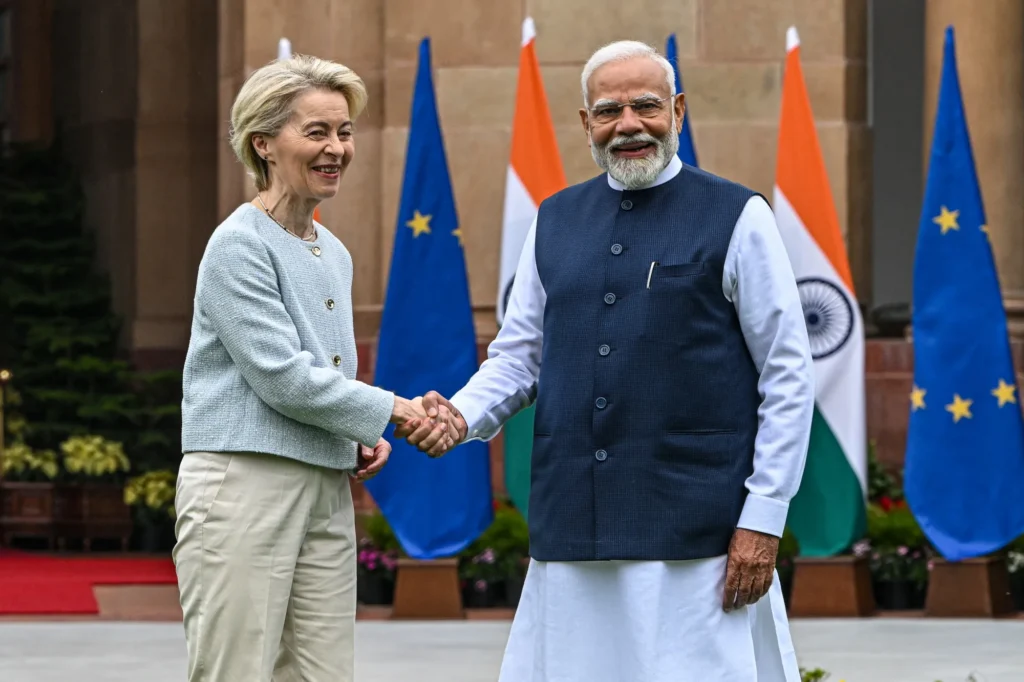
India is preparing for a major shift in its trade and automotive policy as it plans a sharp reduction in import tariffs on cars from the European Union (EU), signalling that negotiations on a long-pending India–EU trade agreement are entering a decisive phase. If implemented, the move could significantly reshape India’s automobile market, boost bilateral trade, and mark one of the most consequential tariff reforms in recent years.
The proposed tariff cuts are widely seen as a breakthrough moment in India–EU economic relations, which have witnessed years of negotiations, pauses, and renewed momentum amid changing global trade dynamics.
The Big Shift: What India Is Planning
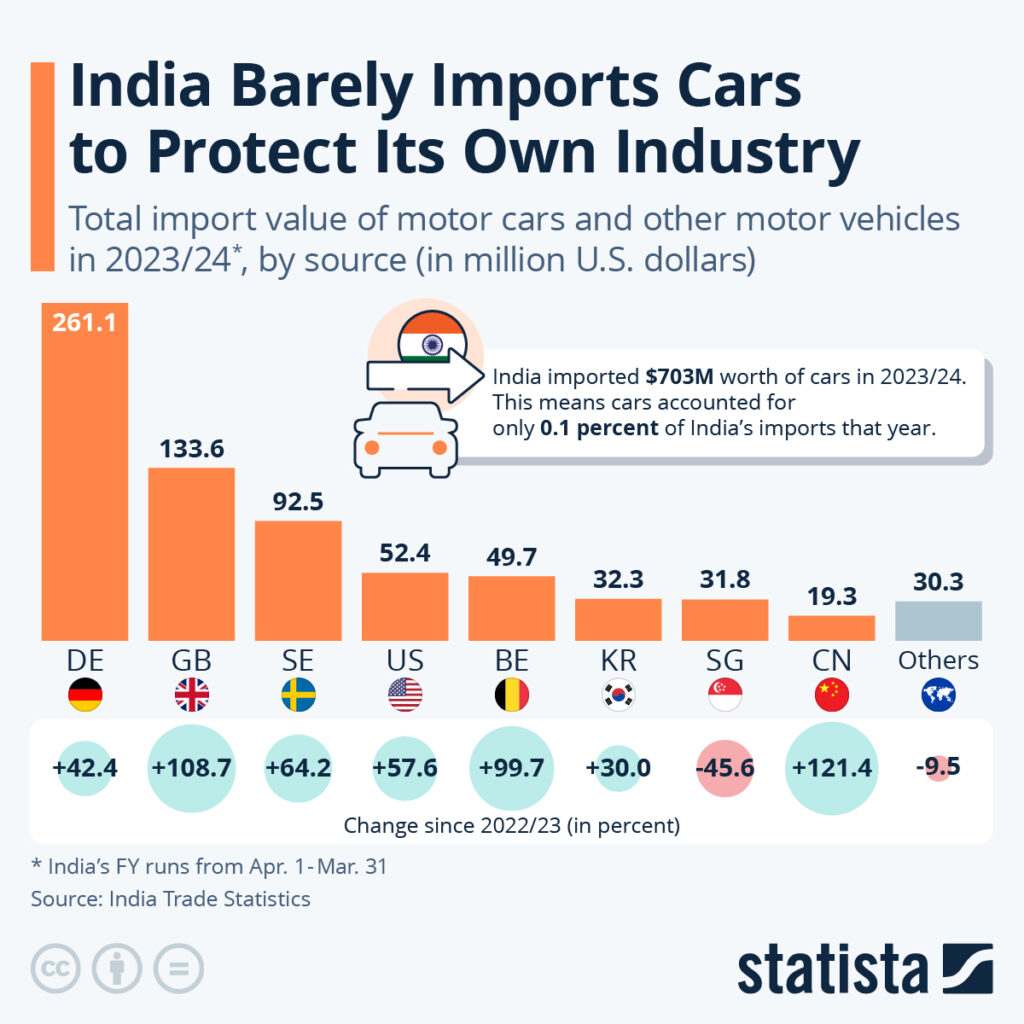
India currently imposes high import duties on fully built cars, often ranging between 60% and 100%, to protect domestic manufacturers and encourage local production. Under the new plan being discussed with the EU, India is considering:
- Substantial reduction in import tariffs on EU-made cars
- Preferential access for European automobile manufacturers
- Phased or quota-based tariff cuts to manage domestic impact
- Alignment with a broader free trade or comprehensive trade agreement
This would represent a sharp departure from India’s traditionally protectionist approach to automobile imports.
Why This Matters Now
Trade Deal Momentum
India and the European Union have been negotiating a comprehensive trade agreement for years. Talks stalled earlier due to disagreements over market access, regulatory standards, and tariffs. However, recent geopolitical and economic developments have revived urgency on both sides.
The proposed car tariff cut is widely viewed as:
- A key concession by India
- A major demand of the EU
- A confidence-building step to finalise the trade deal
Global Supply Chain Realignment
With global supply chains being reshaped due to:
- Geopolitical tensions
- Economic nationalism
- Energy transitions
Both India and the EU are keen to diversify trade partners and reduce overdependence on limited markets.
Why the EU Is Pushing for Car Tariff Cuts
Access to One of the World’s Largest Auto Markets
India is among the fastest-growing automobile markets globally. For European manufacturers, lower tariffs would mean:
- Competitive pricing of premium and mid-range cars
- Increased market share in India
- Stronger brand presence in a high-growth economy
European automakers see India as a long-term growth destination.
Strength in Premium and EV Segments
European carmakers are global leaders in:
- Luxury and premium vehicles
- Electric vehicles (EVs)
- High-end engineering and safety technology
Lower import duties would allow EU manufacturers to better compete in India’s expanding premium and EV segments.
Why India Is Willing to Cut Tariffs
Trade-Off for Market Access
India is seeking greater access to EU markets for:
- Pharmaceuticals
- Textiles and garments
- IT and digital services
- Engineering goods
Reducing car tariffs is seen as a strategic trade-off to unlock broader economic benefits.
Attracting Investment and Technology
Lower tariffs could:
- Encourage EU automakers to invest more in India
- Lead to technology transfer
- Support India’s electric mobility goals
India aims not just to import cars, but to integrate into European automotive value chains.
Impact on India’s Automobile Industry
Concerns of Domestic Manufacturers
Indian automakers have long opposed tariff cuts, fearing:
- Increased competition from imported cars
- Pressure on domestic sales
- Loss of price advantage
There are concerns that sudden liberalisation could hurt smaller manufacturers.
Potential Safeguards
To balance interests, India may adopt:
- Gradual tariff reduction
- Import quotas
- Incentives for local manufacturing
- Rules encouraging local assembly over full imports
This ensures domestic players are not abruptly exposed to global competition.
What It Means for Consumers
More Choice and Competitive Pricing
For Indian consumers, the tariff cut could mean:
- Lower prices for European cars
- Greater variety of models
- Faster entry of global EVs and hybrids
This is particularly significant in the premium and electric vehicle segments.
Improved Standards and Innovation
Greater competition often drives:
- Better safety standards
- Advanced technology adoption
- Improved customer experience
Consumers stand to benefit from higher overall industry standards.
Electric Vehicles: A Key Dimension
The tariff cut discussions are especially relevant for EVs.
Europe’s EV Strength
European manufacturers are global leaders in:
- EV platforms
- Battery efficiency
- Charging technology
Lower import tariffs could accelerate India’s EV transition.
Supporting India’s Green Goals
India aims to reduce emissions and oil dependence. Easier access to European EVs can:
- Boost EV adoption
- Encourage domestic innovation
- Support climate commitments
This aligns trade policy with environmental goals.
Strategic and Geopolitical Context
Strengthening India–EU Relations
The trade deal goes beyond economics. It reflects:
- Strategic partnership between India and Europe
- Shared interest in a rules-based global order
- Cooperation in technology, climate, and security
Reducing car tariffs is part of a broader diplomatic recalibration.
Reducing Dependence on Single Markets
Both India and the EU want diversified trade relationships. A strong bilateral trade agreement:
- Reduces vulnerability to global shocks
- Encourages stable long-term cooperation
Challenges and Political Sensitivities
Domestic Political Resistance
Tariff cuts on cars are politically sensitive because:
- The auto sector is a major employer
- Domestic manufacturers have strong lobbying power
The government must balance reform with economic stability.
Regulatory Alignment
Beyond tariffs, challenges include:
- Safety and emission standards
- Certification norms
- Environmental regulations
Harmonising these standards will be critical for the deal’s success.
Possible Structure of the Tariff Cut
While final details are still under negotiation, options include:
- Tariff reduction for a limited number of cars annually
- Lower duties for EVs and hybrids
- Step-by-step cuts over several years
- Preferential treatment for EU-origin vehicles
This allows India to manage the transition carefully.
What This Means for the EU
For the EU, the deal offers:
- Improved access to a protected market
- Expansion of automobile exports
- Stronger presence in Asia’s growth story
It also strengthens Europe’s economic engagement with a key global partner.
Long-Term Implications for India
Moving Toward Trade Liberalisation
If implemented, the tariff cut would:
- Signal India’s openness to deeper trade integration
- Enhance global investor confidence
- Position India as a serious trade partner
It could set a precedent for future trade negotiations.
Upgrading Domestic Industry
Competition from EU cars may push Indian manufacturers to:
- Improve quality and safety
- Invest in R&D
- Accelerate EV development
In the long run, this can strengthen the domestic auto ecosystem.
Industry and Market Reaction
Market observers see the move as:
- A bold but calculated reform
- A sign of India’s confidence in its manufacturing base
- A strategic concession with long-term gains
Auto stocks, trade analysts, and global investors are closely watching developments.
What Happens Next
The coming months are expected to see:
- Finalisation of trade deal terms
- Clarity on tariff rates and timelines
- Industry consultations
- Possible phased implementation
Once announced, the policy could reshape India’s automotive landscape for years to come.
Conclusion
India’s plan to sharply cut EU car import tariffs as a trade deal nears marks a pivotal moment in its economic and trade policy. It reflects a strategic shift—from protection to partnership, from isolation to integration.
For India, the move promises:
- Greater access to EU markets
- Technology and investment inflows
- Faster progress in electric mobility
For the EU, it unlocks one of the world’s most promising auto markets.
While challenges remain, the proposed tariff cuts underscore a shared recognition that deeper India–EU economic integration is no longer optional—it is strategic. If executed carefully, this decision could deliver long-term gains for industries, consumers, and the broader economy on both sides.