

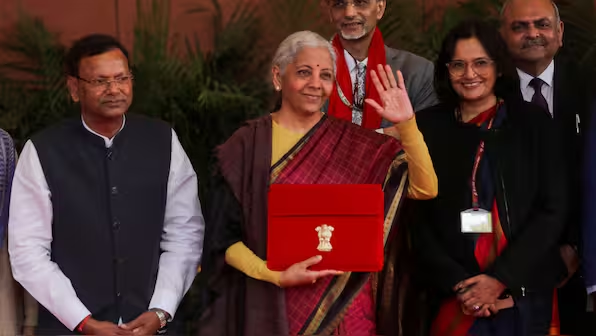
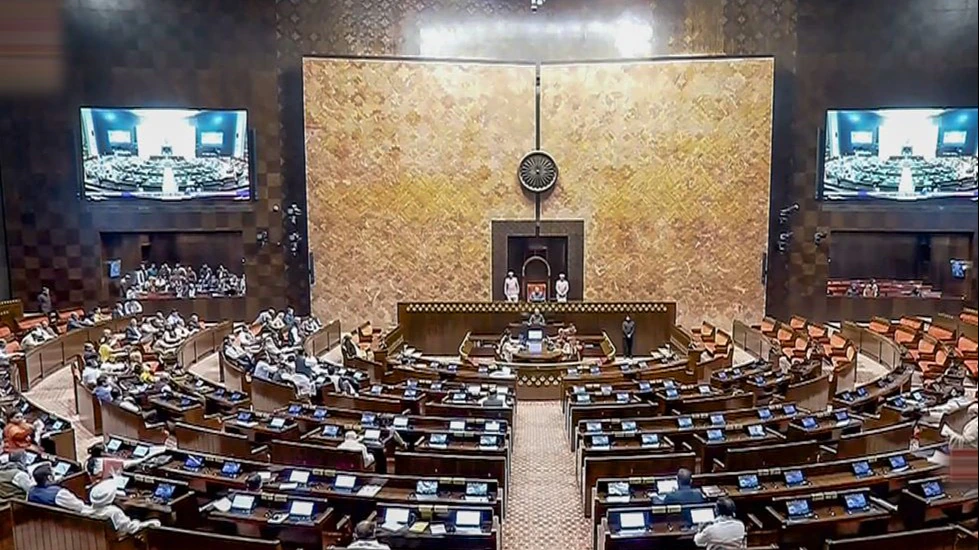
The Union Budget 2026–27 marks a decisive phase in the economic journey of India, focusing on infrastructure-led growth, employment generation, digital transformation, and fiscal prudence. Presented in Parliament during the annual Budget Session, the financial blueprint outlines how the government plans to balance rapid development with responsible fiscal management.
This year’s Budget is structured around the vision of building a stronger, more inclusive, and globally competitive India. From record capital expenditure to targeted support for MSMEs, agriculture, healthcare, and green energy, Budget 2026–27 combines long-term structural reforms with short-term economic stimulus.
Here’s a detailed, SEO-optimized breakdown of the major highlights, sector-wise announcements, and their implications for citizens and businesses.
Vision and Core Strategy of Budget 2026–27
The Budget revolves around five key pillars:
- Infrastructure and capital investment
- Employment and skill development
- Digital and technology leadership
- Social welfare and inclusive growth
- Fiscal consolidation
The government’s strategy is clear: public investment should drive private investment, creating a multiplier effect across the economy.
Record Capital Expenditure Push
Infrastructure at the Centre of Growth
One of the biggest highlights of Budget 2026–27 is the record allocation for capital expenditure, crossing ₹12 lakh crore. This continued rise in public investment underscores the government’s belief that infrastructure development is the most effective growth engine.
Where the Money Goes
Major spending areas include:
- Highways and expressways
- Railways and metro projects
- Ports and airports
- Logistics corridors
- Urban infrastructure and smart cities
Why It Matters
Higher capital spending:
- Generates employment
- Boosts industries like steel, cement, and manufacturing
- Improves productivity
- Encourages private investment
This approach aims to create sustainable economic expansion rather than temporary stimulus.
Fiscal Discipline and Deficit Management
Despite large investments, the government has maintained a commitment to fiscal prudence.
Fiscal Deficit Strategy
The Budget targets:
- Gradual reduction in fiscal deficit
- Responsible borrowing
- Sustainable debt levels
This ensures macroeconomic stability while supporting growth.
Borrowing Plan
Borrowings are structured carefully to fund infrastructure without:
- Triggering inflation
- Increasing interest rates sharply
- Crowding out private investment
Maintaining credibility in fiscal management boosts investor confidence.
Tax Reforms and Relief for Citizens
Personal Income Tax
Budget 2026–27 focuses on simplifying taxation and providing relief through:
- Rationalised compliance
- Possible slab adjustments or rebates
- Simplified filing processes
Impact
Tax relief translates into:
- Higher disposable income
- Increased consumption
- Boosted domestic demand
Middle-class households benefit directly from these measures.
Corporate Tax and Business Incentives
For businesses, the Budget emphasizes:
- Simplified compliance
- Faster dispute resolution
- Incentives for manufacturing and exports
These steps aim to improve ease of doing business and attract global investment.
MSMEs and Startup Ecosystem Boost
Strengthening Small Businesses
Micro, Small, and Medium Enterprises receive focused support via:
- Easier access to credit
- Expanded loan guarantees
- Faster invoice discounting
- Reduced regulatory burden
Why MSMEs Matter
MSMEs contribute:
- Large-scale employment
- Export growth
- Local entrepreneurship
Boosting this sector ensures broad-based economic participation.
Startup and Innovation Support
The Budget promotes innovation through:
- Funding schemes
- Incubation centres
- Tax benefits
- R&D incentives
This strengthens India’s reputation as a startup and technology hub.
Employment and Skill Development
Youth-Focused Initiatives
The government prioritizes job creation through:
- Apprenticeship programs
- Skill training initiatives
- Industry-linked courses
- Employment support schemes
Skill India Expansion
Upskilling improves:
- Workforce readiness
- Productivity
- Global competitiveness
India’s demographic advantage can only translate into growth with proper skills.
Agriculture and Rural Development
Increased Farm Sector Allocation
Agriculture remains a top priority with higher funding for:
- Irrigation projects
- Crop insurance
- Fertilizer subsidies
- Technology-driven farming
Rural Infrastructure
Investments include:
- Rural roads
- Warehouses and cold chains
- Digital connectivity
These measures strengthen farm incomes and reduce post-harvest losses.
Digital India and Technology Transformation
Digital Public Infrastructure
The Budget expands:
- E-governance services
- Digital payments
- AI integration
- Cloud-based government systems
Benefits
Digitalization:
- Enhances transparency
- Reduces corruption
- Improves service delivery
- Supports fintech and startups
India continues its journey toward becoming a global digital leader.
Healthcare Sector Expansion
Public Health Strengthening
Budget 2026–27 allocates funds for:
- New medical colleges
- Hospital upgrades
- Telemedicine services
- Preventive healthcare
Better healthcare infrastructure ensures accessibility and affordability for citizens.
Biopharma and Research
Support for biotechnology and pharmaceuticals boosts:
- Innovation
- Domestic production
- Global competitiveness
This aligns with India’s aim to be a healthcare manufacturing hub.
Education and Research
Focus Areas
Funding supports:
- Digital classrooms
- Skill-based curriculum
- Research grants
- Higher education modernization
Investing in education prepares India’s youth for emerging industries.
Green Growth and Sustainability
Renewable Energy Push
The Budget emphasizes:
- Solar and wind energy
- Green hydrogen
- Electric vehicles
- Battery storage
Environmental Goals
India aims to:
- Reduce emissions
- Promote clean energy
- Encourage sustainable infrastructure
Green growth ensures economic development without environmental damage.
Women Empowerment and Social Welfare
Women-Centric Programs
Initiatives include:
- Self-help group funding
- Skill development
- Entrepreneurship support
Welfare Schemes
Continued funding for:
- Food security
- Housing
- Direct benefit transfers
These ensure inclusive growth across all sections of society.
Urban Development and Smart Cities
Modernising Urban India
Budget allocations target:
- Metro expansion
- Affordable housing
- Waste management
- Smart city technologies
Improved urban infrastructure enhances quality of life and economic activity.
Defence and National Security
Strengthened Defence Spending
Defence allocations increase to:
- Modernize armed forces
- Promote indigenous manufacturing
- Invest in advanced technologies
The focus remains on self-reliance and preparedness.
Financial Sector Reforms
Banking and Fintech
The Budget supports:
- Capital infusion into banks
- Financial inclusion
- Digital banking expansion
These steps ensure stronger credit flow and economic stability.
What Budget 2026–27 Means for You
Salaried Individuals
- Tax relief
- Better public services
Businesses
- Easier credit
- Simplified compliance
Farmers
- Higher support and infrastructure
Youth
- More jobs and skill programs
Startups
- Funding and innovation support
Economic Outlook After Budget 2026–27
Experts expect:
- Strong GDP growth
- Higher investment
- Stable inflation
- Better employment prospects
If implemented effectively, the Budget could significantly accelerate India’s progress toward becoming a multi-trillion-dollar economy.
Conclusion
The Union Budget 2026–27 presents a balanced and forward-looking roadmap that combines growth with stability. By prioritizing capital expenditure, digital transformation, MSMEs, agriculture, healthcare, and green energy, the government aims to build a resilient and inclusive economy.
Rather than short-term populism, the Budget focuses on long-term structural reforms that can deliver sustained prosperity.
In essence, Budget 2026–27 is not just a financial statement—it is a blueprint for India’s economic future.