
Introduction
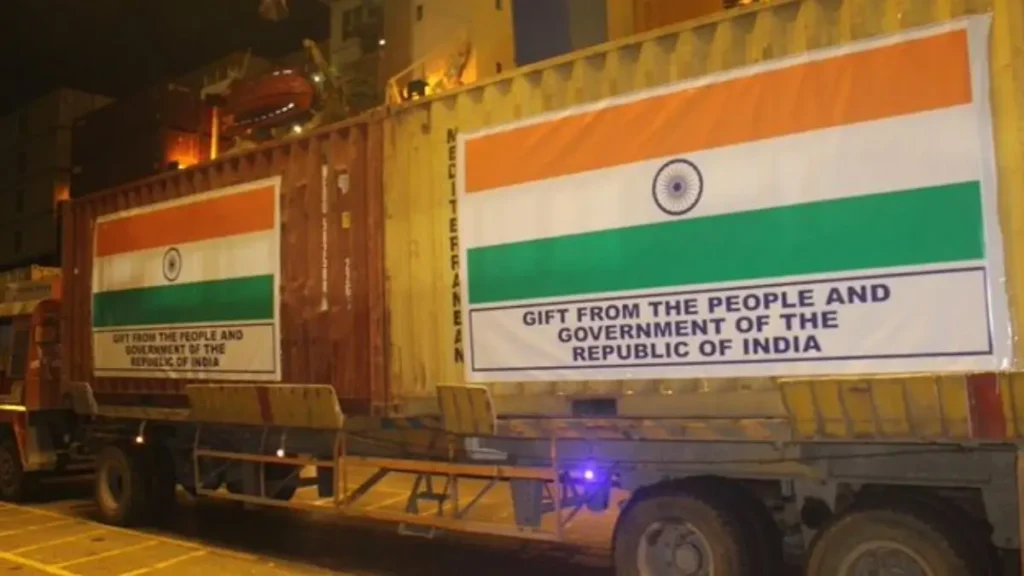
In a significant gesture of global solidarity and humanitarian support, India has sent 1,000 metric tons of rice to Malawi to help the country cope with the devastating food crisis caused by the El Niño-induced drought. This aid comes at a critical time when Malawi is grappling with severe crop failure, food shortages, and rising hunger levels affecting millions of people.
India’s contribution highlights its growing role as a global humanitarian partner, especially for countries in Africa facing climate-related disasters. The shipment of rice reflects India’s commitment to strengthening diplomatic relations while supporting vulnerable populations struggling with food insecurity.
This move is not just about aid—it represents international cooperation, climate resilience, and food security efforts during one of the most challenging agricultural seasons Malawi has faced in recent years.
Understanding the El Niño Drought Crisis in Malawi
Malawi, a landlocked country in southeastern Africa, relies heavily on rain-fed agriculture. A majority of its population depends on farming for food and income. However, the El Niño weather phenomenon has severely disrupted rainfall patterns across southern Africa.
The recent drought has caused:
- Massive crop failures
- Reduced maize production
- Severe water shortages
- Rising food prices
- Increased malnutrition risks
Maize, Malawi’s staple food, has been particularly affected. With poor rainfall during the growing season, many farmers lost their crops entirely. As a result, the country declared a state of disaster, seeking international assistance to prevent widespread hunger.
According to humanitarian agencies, millions of Malawians are currently facing acute food insecurity. Without immediate intervention, the situation could worsen, especially for rural communities that depend entirely on local harvests.
India’s Humanitarian Rice Aid to Malawi
In response to Malawi’s urgent request for assistance, India dispatched 1,000 tons of rice as humanitarian aid. The rice shipment aims to support vulnerable communities and provide relief until the next agricultural season.
The aid was provided as part of India’s broader humanitarian assistance and disaster relief (HADR) initiative, which focuses on helping developing nations during crises such as droughts, floods, and natural disasters.
The rice shipment will be distributed to communities most affected by the drought, including:
- Rural farming households
- Low-income urban populations
- Children and vulnerable groups
- Communities facing severe food shortages
This initiative reinforces India’s image as a responsible global partner committed to food security and humanitarian cooperation.
Strengthening India–Malawi Relations
India and Malawi share long-standing diplomatic and development partnerships. Over the years, India has supported Malawi in multiple sectors including:
- Agriculture
- Healthcare
- Education
- Infrastructure development
- Capacity building programs
India’s assistance during the drought further strengthens these bilateral ties. The humanitarian rice shipment symbolizes not only aid but also friendship and solidarity between the two nations.
Malawi has been an important partner for India in Africa, and the two countries continue to collaborate through development projects and trade initiatives. Such humanitarian efforts deepen trust and reinforce cooperation between the nations.
India’s Role in Global Food Security
India has increasingly positioned itself as a key contributor to global food security initiatives. As one of the world’s largest producers of rice, India has the capacity to support countries facing food shortages due to climate disasters or conflicts.
In recent years, India has provided food aid to several nations across Africa, Asia, and other regions affected by humanitarian crises.
India’s food aid programs are driven by several objectives:
- Supporting vulnerable populations
- Promoting global food security
- Strengthening diplomatic relationships
- Encouraging international cooperation
By sharing its agricultural resources, India contributes to reducing hunger and preventing humanitarian emergencies.
Climate Change and Its Impact on Food Security
The drought in Malawi highlights a broader global challenge—climate change and extreme weather events. Climate phenomena like El Niño can drastically affect rainfall patterns, leading to droughts in some regions and floods in others.
Countries that depend heavily on agriculture are especially vulnerable. When rainfall fails, crops fail, and entire food systems collapse.
The impacts of climate-related droughts include:
- Loss of livelihoods for farmers
- Increased poverty in rural communities
- Rising food prices
- Higher malnutrition rates among children
- Greater reliance on humanitarian aid
Experts warn that such climate shocks could become more frequent in the coming decades, making international cooperation essential for tackling food insecurity.
Importance of International Humanitarian Assistance
Humanitarian aid plays a vital role during crises when governments alone cannot manage the scale of the disaster. Food assistance helps stabilize communities, prevent famine, and protect vulnerable populations.
International support also allows affected countries to:
- Provide emergency food supplies
- Stabilize markets and food prices
- Protect children from malnutrition
- Support recovery and rebuilding efforts
India’s rice donation to Malawi is an example of how global partnerships can help countries navigate crises and rebuild resilience.
Supporting Agricultural Recovery in Malawi
While emergency food aid is critical, long-term solutions are equally important. Malawi will need sustained support to rebuild its agricultural sector and prepare for future climate challenges.
Some key measures that can help Malawi recover include:
1. Climate-Resilient Farming
Introducing drought-resistant crop varieties and improved farming techniques can help farmers adapt to changing weather patterns.
2. Irrigation Infrastructure
Developing irrigation systems can reduce reliance on unpredictable rainfall.
3. Agricultural Training
Providing farmers with modern agricultural training can improve productivity and resilience.
4. International Partnerships
Collaborations with countries like India can help Malawi access agricultural technology, expertise, and support programs.
These initiatives will be essential in preventing future food crises and ensuring long-term food security.
Global Cooperation Against Hunger
The rice aid to Malawi demonstrates the importance of international solidarity in addressing humanitarian challenges. Hunger and food insecurity are global issues that require collective action from governments, international organizations, and development partners.
India’s contribution reflects a growing recognition that food security is a shared global responsibility. By supporting nations during crises, countries can build stronger partnerships and create a more resilient global community.
Such efforts also align with the United Nations Sustainable Development Goals (SDGs), particularly the goal of achieving Zero Hunger by 2030.
Conclusion
India’s decision to send 1,000 tons of rice to Malawi comes at a crucial moment when the country is battling the severe effects of an El Niño-induced drought. The humanitarian assistance will help thousands of vulnerable families access essential food supplies and prevent the crisis from escalating further.
Beyond immediate relief, this gesture highlights India’s commitment to global humanitarian support, food security, and international cooperation. It also underscores the urgent need for collective action in tackling climate-driven food crises.
As climate change continues to challenge agricultural systems worldwide, partnerships like the one between India and Malawi will become increasingly important. Through collaboration, innovation, and humanitarian support, the global community can work together to build a future where no country faces hunger alone.