
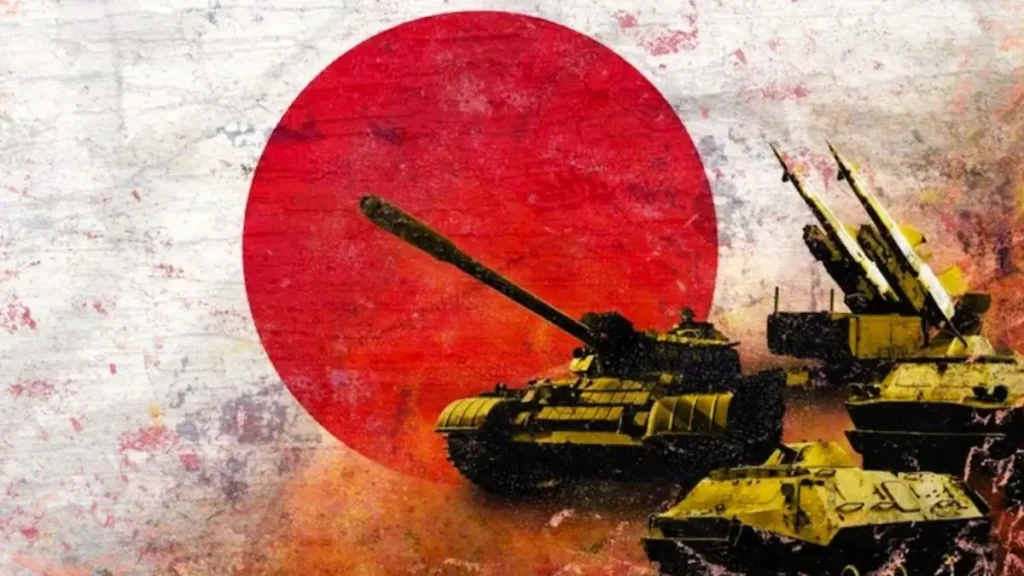
In a significant geopolitical development, Japan has revised its defence export rules, marking a major shift in its long-standing pacifist policy. The move has drawn global attention, with India welcoming the decision as a boost to the growing strategic partnership between the two countries.
This policy shift is expected to deepen defence cooperation, enhance regional security, and open new avenues for technological collaboration.
Understanding Japan’s Defence Export Policy Shift
For decades after World War II, Japan maintained strict limitations on exporting defence equipment, guided by its pacifist constitution. However, changing global security dynamics and regional tensions have prompted Tokyo to rethink its approach.
The revised rules allow Japan to export defence equipment and technology under specific conditions, particularly to partner nations that share similar strategic interests. This marks a significant evolution in Japan’s defence and foreign policy.
Why the Change Now?
Japan’s decision comes amid growing security challenges in the Indo-Pacific region. Rising geopolitical tensions, evolving military threats, and the need for stronger alliances have influenced this policy shift.
By easing export restrictions, Japan aims to:
- Strengthen its defence industry
- Enhance security cooperation with allies
- Contribute more actively to regional stability
- Reduce dependence on external defence suppliers
The move also aligns with broader efforts to modernize its defence capabilities and play a more proactive role in global security.
India’s Response: A Strategic Opportunity
India has responded positively to Japan’s decision, viewing it as a step forward in bilateral relations. The two countries have been strengthening ties across multiple sectors, including defence, trade, and technology.
Officials in India see the revised export rules as an opportunity to:
- Expand defence collaboration
- Access advanced Japanese technology
- Enhance joint research and development
- Strengthen maritime security cooperation
The move is expected to further solidify the strategic partnership between India and Japan, particularly in the Indo-Pacific region.
Growing India-Japan Defence Cooperation
India and Japan have steadily deepened their defence ties over the past decade. Key milestones in their relationship include joint military exercises, defence dialogues, and agreements on logistics and information sharing.
One of the most notable collaborations is the Malabar Exercise, a naval exercise that also involves the United States and Australia. This exercise highlights the shared commitment of these nations to maintaining a free and open Indo-Pacific.
Japan’s revised export rules could pave the way for more advanced cooperation, including co-development of defence equipment and technology sharing.
Impact on the Indo-Pacific Region
The Indo-Pacific region has become a focal point of global geopolitics, with major powers competing for influence. Strengthening defence partnerships is seen as a key strategy for ensuring stability and security.
Japan’s policy shift is likely to:
- Enhance regional deterrence capabilities
- Promote collaboration among like-minded nations
- Support a rules-based international order
- Address emerging security challenges
India, as a major regional power, plays a crucial role in this framework. The deepening of India-Japan ties is expected to contribute positively to regional stability.
Opportunities for Defence Industry Collaboration
The revised rules open up new possibilities for collaboration between Indian and Japanese defence industries. This could include joint ventures, technology transfers, and co-production of military equipment.
India’s focus on “Make in India” and self-reliance in defence manufacturing aligns well with Japan’s advanced technological capabilities. Together, the two countries can create a mutually beneficial ecosystem that strengthens their defence sectors.
Potential areas of collaboration include:
- Maritime surveillance systems
- Advanced radar and communication technologies
- Unmanned systems and robotics
- Cybersecurity and defence software
Balancing Strategic Interests
While the policy shift offers opportunities, it also requires careful management of strategic interests. Both India and Japan must ensure that their cooperation aligns with broader regional and global dynamics.
Maintaining transparency, adhering to international norms, and fostering trust among partners will be essential for the success of this collaboration.
Global Reactions and Implications
Japan’s decision has been closely watched by the international community. Allies have largely welcomed the move, seeing it as a step toward greater burden-sharing in global security.
However, some countries have expressed concerns about the potential for increased militarization in the region. Balancing these perspectives will be crucial as Japan implements its revised policy.
Strengthening Bilateral Relations Beyond Defence
While defence cooperation is a key aspect of India-Japan relations, the partnership extends far beyond military ties. The two countries collaborate in areas such as:
- Infrastructure development
- Trade and investment
- Digital innovation
- Climate change and sustainability
The strengthening of defence ties is expected to complement these efforts, creating a more comprehensive and resilient partnership.
Future Outlook
The revision of Japan’s defence export rules marks the beginning of a new phase in its foreign policy. For India, it presents an opportunity to deepen strategic cooperation and enhance its defence capabilities.
In the coming years, the focus will likely be on:
- Implementing joint projects
- Expanding defence trade
- Strengthening interoperability between armed forces
- Enhancing regional security frameworks
The success of this partnership will depend on effective collaboration and shared commitment to common goals.
Conclusion
Japan’s decision to revise its defence export rules represents a significant shift in its strategic approach, with far-reaching implications for global security. India’s positive response highlights the importance of this development in strengthening bilateral ties.
As both nations work together to explore new opportunities, their partnership is set to play a crucial role in shaping the future of the Indo-Pacific region. With shared values and strategic interests, India and Japan are well-positioned to build a stronger, more secure, and collaborative future.