
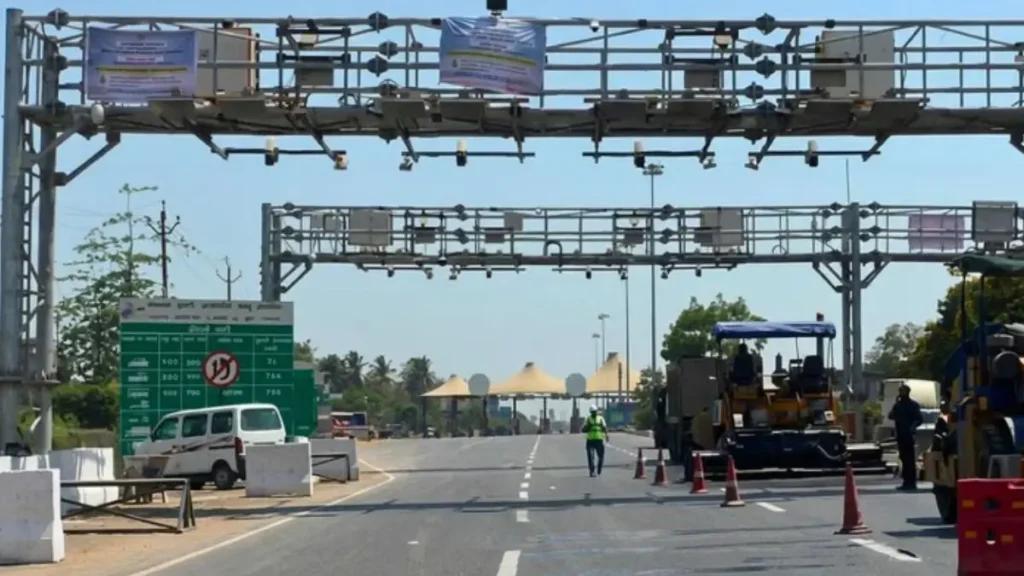
India has taken a major leap in highway infrastructure by introducing its first barrier-free tolling system on a key national highway in Gujarat. This move marks a transition from traditional toll plazas to a seamless, technology-driven model that allows vehicles to pass without stopping—improving efficiency, reducing congestion, and enhancing commuter experience.
The initiative is being implemented under the leadership of the National Highways Authority of India, aligning with the government’s vision of smart and modern transportation systems.
🚗 What is Barrier-Free Tolling?
Barrier-free tolling, also known as Open Road Tolling (ORT), eliminates the need for physical toll booths and barriers. Instead of stopping to pay tolls, vehicles continue moving while charges are automatically deducted using advanced technologies.
The system uses:
- Overhead gantries with cameras and sensors
- FASTag-based RFID technology
- Automatic number plate recognition (ANPR)
- Real-time data processing
This ensures a completely contactless and uninterrupted toll collection process.
📍 Where is it Implemented?
The first deployment of this system in India has been rolled out on a major highway stretch in Gujarat, a state known for pioneering infrastructure and digital initiatives.
Gujarat’s selection reflects its strong road network, high vehicle density, and readiness to adopt advanced transport technologies.
⚙️ How the System Works
Here’s how the barrier-free tolling system functions:
- Vehicles pass under overhead gantries without stopping
- FASTag sensors or cameras identify the vehicle
- Toll charges are automatically calculated
- The amount is deducted from the linked account or digital wallet
- Users receive instant notifications of the transaction
This process takes place within seconds, ensuring zero delays.
🚀 Key Benefits of Barrier-Free Tolling
1. Reduced Traffic Congestion
No stopping means smoother traffic flow, especially during peak hours.
2. Time Savings
Commuters save significant travel time by avoiding queues at toll plazas.
3. Fuel Efficiency
Continuous movement reduces fuel consumption and vehicle wear.
4. Lower Emissions
Less idling leads to reduced carbon emissions, supporting environmental goals.
5. Enhanced Transparency
Digital transactions ensure accurate and transparent toll collection.
🇮🇳 A Step Toward Smart Mobility
The initiative by the National Highways Authority of India is part of India’s broader push toward smart mobility and digital infrastructure.
It complements existing systems like FASTag, which already enables electronic toll payments across the country. The new barrier-free model takes this a step further by removing physical infrastructure altogether.
🌍 Global Comparison
Many developed countries, including the United States and European nations, have already adopted open road tolling systems. By introducing this technology, India is aligning with global best practices in highway management.
This move positions India as a forward-thinking nation in transportation innovation.
⚠️ Challenges and Considerations
While the system offers numerous advantages, certain challenges need to be addressed:
- Ensuring accurate vehicle identification
- Managing vehicles without FASTag
- Addressing privacy concerns related to data collection
- Upgrading infrastructure across all highways
Proper implementation and public awareness will be crucial for success.
🔮 Future Expansion Plans
The success of the pilot project in Gujarat is expected to pave the way for nationwide adoption. The National Highways Authority of India may expand barrier-free tolling to:
- Major expressways
- High-traffic national highways
- Urban highway corridors
This could eventually replace traditional toll plazas across India.
✨ Conclusion
India’s first barrier-free tolling system marks a significant milestone in the country’s infrastructure journey. By leveraging technology to create a seamless travel experience, the initiative promises to transform highway commuting.
As the system expands, it will not only improve efficiency but also contribute to sustainability and economic growth. With continued innovation and effective implementation, India is well on its way to building a smarter, faster, and more connected transportation network.