
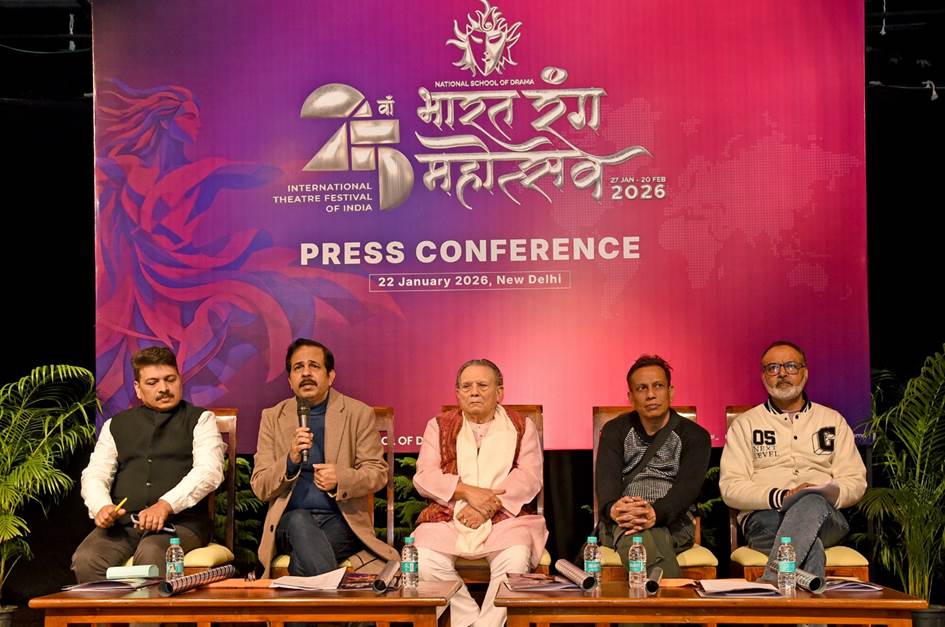
The Bharat Rang Mahotsav (BRM) 2026 has once again reaffirmed its stature as India’s largest international theatre festival, unfolding across an unprecedented 40 locations in India and abroad. Celebrated for its scale, diversity, and artistic depth, the festival brings together theatre traditions from across the world, transforming cities into vibrant stages of storytelling, performance, and cultural dialogue.
Organised by the National School of Drama (NSD), Bharat Rang Mahotsav 2026 is not merely a festival—it is a nationwide and global celebration of theatre as a living, breathing art form that connects cultures, languages, and generations.
What Is Bharat Rang Mahotsav?
Bharat Rang Mahotsav is an annual international theatre festival launched to promote:
- Indian theatre traditions
- Global cultural exchange
- Contemporary and experimental performance
- Folk, classical, and modern stage forms
Over the years, it has grown into a cultural movement, showcasing theatre as a medium of social reflection, creativity, and collective experience.
In 2026, the festival reaches new heights by expanding its footprint to 40 venues, making it one of the largest theatre festivals in the world by geographic spread.
Bharat Rang Mahotsav 2026: Scale and Reach
A Festival Without Borders
The 2026 edition spans:
- Major Indian cities
- Regional cultural hubs
- University towns
- International venues
This decentralised format ensures that theatre is not confined to a single city or elite audience. Instead, it becomes accessible to:
- Students
- Local communities
- Theatre practitioners
- First-time audiences
The festival’s presence across 40 locations reflects a democratic vision—bringing theatre to the people, rather than people to theatre.
Role of the National School of Drama
The National School of Drama, India’s premier theatre training institution, has been the driving force behind Bharat Rang Mahotsav since its inception.
NSD’s role includes:
- Curating performances
- Ensuring artistic quality
- Encouraging young and experimental voices
- Facilitating international collaboration
Through BRM 2026, NSD continues its mission of nurturing theatre as both an academic discipline and a popular cultural practice.
International Participation: A Global Stage in India
One of the defining features of Bharat Rang Mahotsav 2026 is its strong international participation.
Global Theatre Traditions on Display
The festival hosts theatre groups from:
- Asia
- Europe
- Africa
- The Americas
These performances bring:
- Diverse storytelling styles
- Innovative stagecraft
- Cross-cultural perspectives
From contemporary political theatre to traditional performance rituals, BRM 2026 offers Indian audiences a rare chance to experience world theatre on home ground.
Celebrating India’s Theatre Diversity
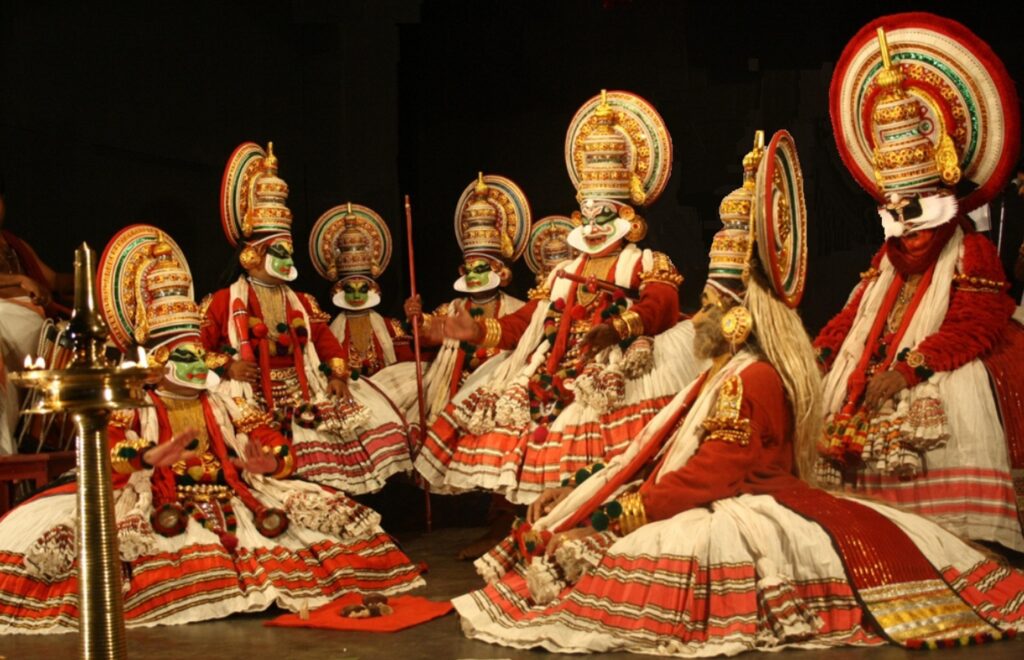
Multilingual and Multicultural Performances
India’s theatre heritage is deeply multilingual. Bharat Rang Mahotsav 2026 celebrates this richness by presenting plays in:
- Hindi
- English
- Regional Indian languages
- Classical and folk dialects
This linguistic diversity ensures authentic representation of India’s cultural plurality.
Folk, Classical, and Contemporary Theatre
The festival showcases:
- Folk theatre forms rooted in oral traditions
- Classical plays inspired by epics and history
- Contemporary productions addressing modern issues
By placing these forms on the same platform, BRM bridges tradition and modernity.
Themes and Narratives at Bharat Rang Mahotsav 2026
While the festival embraces varied themes, common threads in 2026 include:
- Identity and belonging
- Social justice and inequality
- Gender and power
- Migration and memory
- Tradition in a changing world
These themes reflect theatre’s enduring role as a mirror to society—provoking thought, empathy, and dialogue.
Why Bharat Rang Mahotsav Matters
Theatre as a Social Connector
In an age dominated by digital content, theatre remains one of the few art forms that:
- Demands presence
- Encourages collective experience
- Creates immediate emotional connection
Bharat Rang Mahotsav reminds audiences of the power of live performance in building community and shared understanding.
Preserving and Revitalising Theatre Traditions
Many traditional theatre forms face decline due to:
- Lack of platforms
- Limited funding
- Changing entertainment habits
By giving these forms national and international exposure, BRM 2026 plays a crucial role in their survival and revival.
Opportunities for Theatre Practitioners
For artists, Bharat Rang Mahotsav 2026 offers:
- Exposure to diverse audiences
- Interaction with global practitioners
- Opportunities for collaboration
- Professional recognition
Young theatre-makers, in particular, benefit from the festival’s emphasis on experimentation and new voices.
Educational and Cultural Impact
Theatre as Learning
The festival is closely linked with:
- Workshops
- Masterclasses
- Discussions and seminars
These activities help:
- Students understand theatre theory and practice
- Audiences engage critically with performances
- Artists exchange ideas and techniques
BRM thus becomes a learning ecosystem, not just a performance platform.
Regional Empowerment Through Theatre
By hosting performances across 40 locations, Bharat Rang Mahotsav:
- Strengthens regional theatre movements
- Encourages local cultural participation
- Reduces metropolitan dominance in arts
Smaller cities and towns gain access to world-class theatre, fostering local talent and audiences.
Theatre and Cultural Diplomacy
Bharat Rang Mahotsav 2026 also functions as a tool of cultural diplomacy.
By hosting international theatre groups, India:
- Showcases its openness to cultural exchange
- Builds people-to-people connections
- Strengthens global cultural relationships
Art becomes a bridge where politics often fails.
Logistical Achievement and Cultural Vision
Organising a festival across 40 locations is a massive logistical undertaking. It requires:
- Coordination with local institutions
- Technical and artistic consistency
- Community engagement
The success of BRM 2026 highlights India’s growing capacity to manage large-scale cultural events with global participation.
Audience Experience in 2026
Audiences at Bharat Rang Mahotsav 2026 can expect:
- High-quality productions
- Varied genres and styles
- Affordable and accessible performances
- A festive cultural atmosphere
For many, the festival becomes an annual ritual—a time to reconnect with art, ideas, and fellow citizens.
Challenges and the Road Ahead
Despite its success, the festival faces challenges:
- Funding sustainability
- Balancing experimental and popular theatre
- Expanding reach without diluting quality
Addressing these will be crucial for maintaining BRM’s global stature in the years ahead.
Why Bharat Rang Mahotsav 2026 Is Historic
The 2026 edition stands out because:
- It spans a record 40 locations
- It deepens international collaboration
- It strengthens regional participation
- It reinforces theatre’s relevance in modern India
This scale makes it not just a festival, but a nationwide cultural movement.
A Living Celebration of Indian Theatre
At its core, Bharat Rang Mahotsav is about:
- Storytelling
- Human connection
- Cultural continuity
It reminds us that theatre, despite changing times, remains one of humanity’s oldest and most powerful forms of expression.
Conclusion
Bharat Rang Mahotsav 2026 stands as a monumental celebration of theatre—uniting artists and audiences across 40 locations, languages, and cultures. Under the stewardship of the National School of Drama, the festival continues to redefine what a cultural event can be: inclusive, expansive, and deeply meaningful.
As India’s largest international theatre festival, BRM 2026 is more than a showcase of performances—it is a testament to the enduring relevance of theatre in shaping thought, preserving heritage, and fostering dialogue in a diverse and dynamic world.
In bringing global stages to local communities, Bharat Rang Mahotsav 2026 proves that theatre is not just performed—it is lived, shared, and celebrated.