
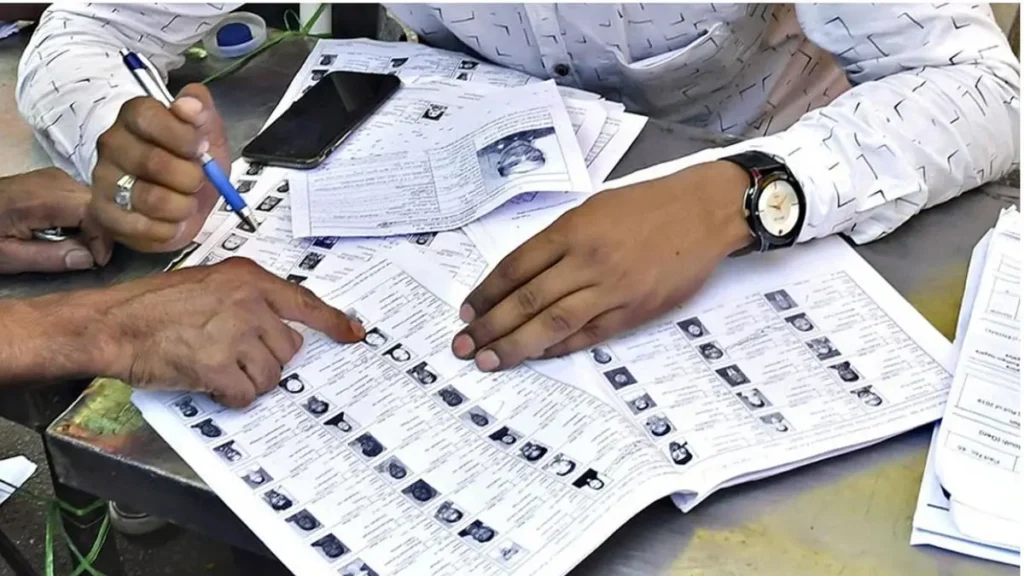
The Election Commission of India has officially launched Phase III of its Special Intensive Revision (SIR) process, covering approximately 36.73 crore voters across multiple states and union territories. The large-scale electoral exercise is aimed at updating, verifying, and strengthening the accuracy of India’s electoral rolls ahead of upcoming elections.
The revision drive is considered one of the most significant voter verification initiatives undertaken by the Election Commission in recent years. Officials say the process will help ensure transparent, error-free, and inclusive electoral records while improving voter participation across the country.
The latest phase reflects the ECI’s continued focus on electoral reforms, digital modernization, and strengthening democratic processes in the world’s largest democracy.
What Is the Special Intensive Revision (SIR)?
The Special Intensive Revision is a comprehensive voter list verification and updation exercise conducted periodically by the Election Commission of India.
The process involves:
- Verification of existing voters
- Addition of eligible new voters
- Removal of duplicate or deceased entries
- Correction of voter information
- Address updates
- Strengthening electoral database accuracy
The objective is to maintain updated and reliable electoral rolls before major elections.
Electoral rolls are critical because they determine voter eligibility during state and national elections.
Coverage of Phase III
According to official announcements, Phase III of the revision process will cover nearly 36.73 crore voters across selected states and regions.
The scale of the exercise demonstrates the enormous logistical and administrative effort required to manage India’s democratic system.
The Election Commission is expected to deploy:
- Booth Level Officers (BLOs)
- Electoral registration teams
- Digital verification systems
- Field survey personnel
- Online voter service platforms
The process will involve both physical verification and technology-driven data updates.
Why Electoral Roll Revision Is Important
Accurate voter lists are essential for ensuring free and fair elections.
Electoral roll revisions help:
- Prevent duplicate voting
- Eliminate fake entries
- Include newly eligible voters
- Improve transparency
- Strengthen public trust in elections
- Reduce administrative errors
India’s large and dynamic population makes regular electoral roll updates necessary due to migration, deaths, address changes, and newly eligible young voters.
The Special Intensive Revision process ensures that every eligible citizen gets an opportunity to participate in elections.
Focus on New Voter Registration
One of the major objectives of the revision process is enrolling new voters, especially young citizens who recently turned 18.
The Election Commission has been actively encouraging youth participation in the democratic process through awareness campaigns and simplified registration systems.
New voter inclusion is important because:
- Young voters influence electoral outcomes
- Increased participation strengthens democracy
- First-time voters represent emerging social priorities
- Youth engagement improves civic awareness
Digital platforms and online registration systems have made voter enrollment faster and more accessible.
Use of Technology in Electoral Verification
The Election Commission has increasingly integrated technology into electoral management systems.
During Phase III, technology is expected to play a major role in:
- Online voter registration
- Data verification
- Duplicate detection
- GIS mapping
- Digital electoral databases
- Mobile voter services
Technology-driven electoral management helps improve efficiency, transparency, and accuracy in handling large voter populations.
Digital systems also reduce paperwork and administrative delays.
Role of Booth Level Officers (BLOs)
Booth Level Officers remain central to the Special Intensive Revision process.
BLOs are responsible for:
- Door-to-door verification
- Assisting voters with corrections
- Identifying missing or duplicate entries
- Supporting voter registration
- Collecting updated voter information
They act as the primary field-level connection between the Election Commission and citizens.
Their role becomes especially important in rural and remote areas where digital accessibility may still be limited.
Challenges in Managing India’s Electoral Rolls
India manages one of the largest electoral systems in the world.
Maintaining accurate voter records presents several challenges including:
Population Mobility
Frequent migration for employment and education causes address changes and duplicate registrations.
Large Population Scale
Managing electoral records for hundreds of millions of voters requires enormous administrative coordination.
Remote Areas
Ensuring voter access and verification in remote villages, hilly regions, and tribal areas remains challenging.
Data Accuracy
Updating deaths, corrections, and address changes consistently requires continuous monitoring.
Despite these challenges, India’s electoral system is globally recognized for conducting large-scale elections successfully.
Importance Ahead of Upcoming Elections
The revision exercise gains added importance as several states prepare for upcoming assembly elections and future national electoral activities.
Updated electoral rolls help ensure:
- Smooth polling operations
- Reduced disputes
- Faster voter identification
- Better election management
- Higher voter confidence
Political parties also closely monitor voter roll revisions because accurate voter databases are essential during election campaigns.
Voter Awareness and Public Participation
The Election Commission has been conducting awareness drives encouraging citizens to verify and update their voter details.
Citizens are being urged to:
- Check voter registration status
- Correct inaccurate information
- Update address details
- Register newly eligible family members
- Report duplicate or incorrect entries
Public participation is essential for maintaining accurate electoral records.
The Commission often collaborates with educational institutions, local administrations, and awareness campaigns to improve voter engagement.
Digital India and Electoral Reforms
India’s broader digital transformation initiatives have also influenced electoral management systems.
Online services now allow citizens to:
- Apply for voter ID registration
- Track application status
- Download voter information
- Submit corrections digitally
- Access election-related services remotely
Digital governance has improved convenience for voters while reducing manual administrative burdens.
The Election Commission continues modernizing its systems to make elections more transparent and efficient.
Importance of Free and Fair Elections
Electoral roll accuracy is one of the foundations of free and fair elections.
Reliable voter lists help:
- Prevent electoral fraud
- Ensure equal voting rights
- Protect democratic integrity
- Improve election credibility
India’s democratic system depends heavily on maintaining transparent and inclusive voter registration processes.
The Election Commission’s large-scale revision exercise demonstrates the importance placed on electoral integrity.
Political Significance of Electoral Roll Updates
Electoral roll revisions often carry political significance because voter demographics can influence election outcomes.
Political parties closely follow:
- New voter additions
- Regional voter changes
- Urban-rural voter distribution
- Youth voter growth
- Migration-related shifts
However, the Election Commission emphasizes that the revision process remains an independent administrative exercise focused on accuracy and inclusiveness.
Inclusion and Accessibility Measures
The Election Commission has also prioritized voter inclusion among marginalized and underrepresented communities.
Special efforts are often made to support:
- Senior citizens
- Persons with disabilities
- Rural populations
- Tribal communities
- Women voters
- First-time voters
Ensuring inclusive electoral participation strengthens democratic representation.
Future of Electoral Management in India
India is expected to continue investing in advanced electoral management technologies and reforms.
Future improvements may include:
- AI-based voter verification
- Advanced data analytics
- Improved digital security systems
- Faster online services
- Enhanced voter accessibility tools
As India’s population and digital infrastructure continue expanding, election management systems are likely to become even more technology-driven.
Conclusion
The Election Commission of India’s launch of Phase III of the Special Intensive Revision covering 36.73 crore voters marks another major step toward strengthening India’s democratic infrastructure.
The large-scale verification and updation exercise reflects the importance of maintaining accurate, transparent, and inclusive electoral rolls in the world’s largest democracy.
As India prepares for future elections, the success of the revision process will play a crucial role in ensuring fair participation, electoral integrity, and public trust in democratic institutions.