
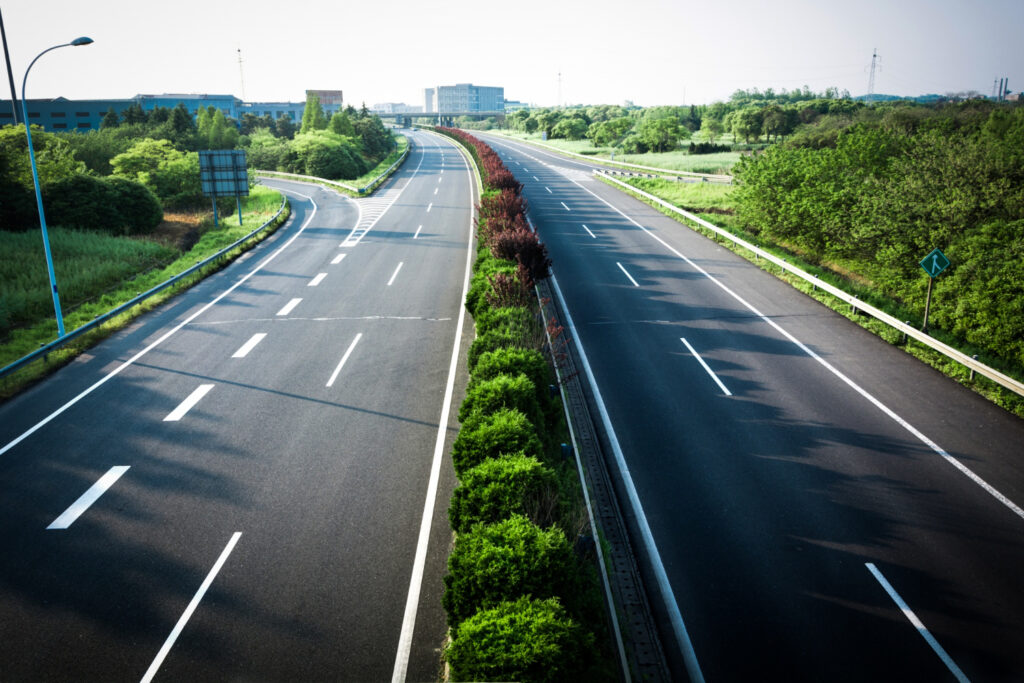
India’s highway infrastructure is entering a new era. Starting April 1, toll booths across the country are set to operate fully digitally, marking the end of cash payments at national highway toll plazas. The shift signals a major milestone in India’s digital transformation journey — where convenience, transparency, and efficiency take center stage.
With FASTag becoming mandatory for all vehicles passing through toll plazas, the government aims to streamline traffic flow, reduce congestion, and eliminate long waiting times at toll booths. This move is expected to enhance travel experiences while boosting operational efficiency in highway management.
What Does “Fully Digital Toll Booths” Mean?
From April 1 onward, toll payments on national highways will primarily be processed electronically using FASTag technology. Vehicles without FASTag may face penalties or higher charges, as manual cash lanes are being phased out.
In simple terms:
- Cash payments at toll plazas will no longer be accepted.
- All vehicles must use FASTag for seamless toll deduction.
- Sensors and automated systems will scan vehicles and deduct toll amounts electronically.
This transformation is part of India’s larger digital infrastructure modernization plan.
What Is FASTag and How Does It Work?
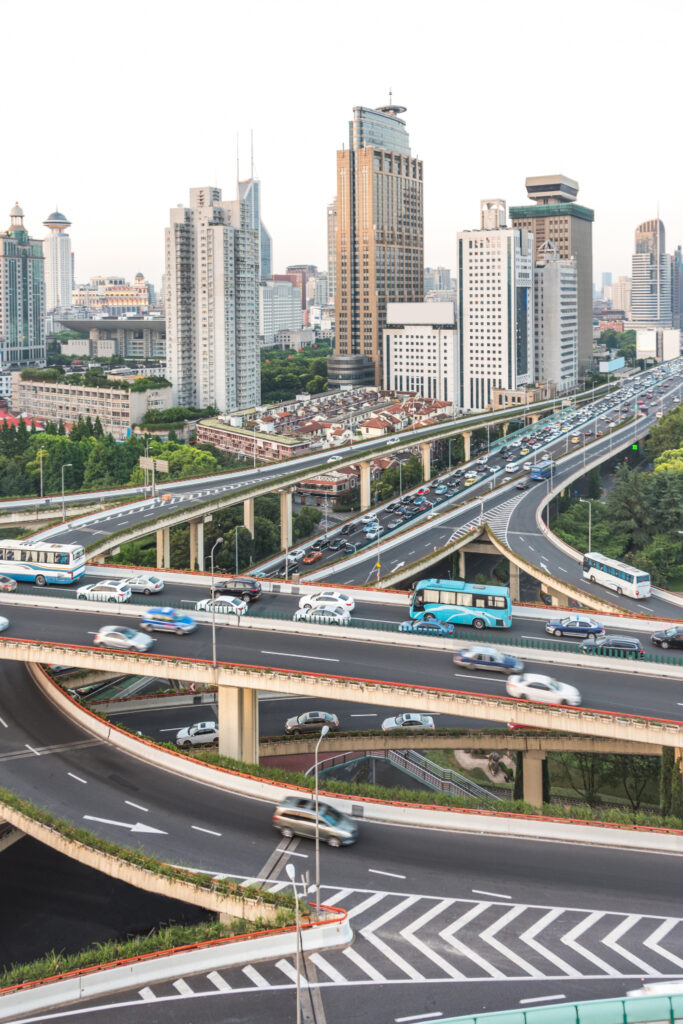
FASTag is an electronic toll collection system that uses Radio Frequency Identification (RFID) technology. The tag is affixed to the windshield of a vehicle and linked to a prepaid account or bank wallet.
How FASTag Works:
- As the vehicle approaches the toll booth, RFID scanners detect the FASTag.
- The toll amount is automatically deducted from the linked account.
- The barrier gate opens without requiring the vehicle to stop for cash exchange.
This automated system significantly reduces waiting time and fuel consumption.
Why the Shift to Digital Toll Collection?
The decision to eliminate cash payments is driven by several key objectives:
1. Reduce Traffic Congestion
One of the biggest challenges at toll plazas has been long queues, especially during peak hours. Digital payments allow vehicles to pass through quickly without stopping, improving traffic flow.
2. Improve Fuel Efficiency
Vehicles idling in toll lines waste fuel and increase emissions. Digital toll collection reduces waiting time, lowering fuel consumption and contributing to environmental sustainability.
3. Increase Transparency
Electronic transactions create a digital record of payments, reducing the possibility of revenue leakages or manual errors. This ensures accurate toll collection and better accountability.
4. Support Digital India Mission
The move aligns with the broader Digital India initiative, promoting cashless transactions and smart infrastructure systems nationwide.
Benefits for Vehicle Owners
The fully digital toll system offers several advantages for motorists:
Seamless Travel Experience
No more searching for change or standing in long queues. FASTag users can enjoy uninterrupted journeys on highways.
Easy Recharge Options
FASTag accounts can be recharged online through banking apps, digital wallets, UPI, or net banking platforms, offering flexibility and convenience.
SMS Alerts and Transaction Tracking
Users receive instant SMS notifications for every toll deduction, enabling better tracking of expenses and preventing unauthorized transactions.
Reduced Travel Time
With faster toll processing, commuters and logistics operators can save significant travel time, especially on long-distance routes.
Impact on Commercial Vehicles and Logistics
The logistics sector is one of the biggest beneficiaries of the fully digital toll system.
- Faster movement of trucks and goods.
- Reduced transportation delays.
- Lower operational costs due to fuel savings.
- Improved supply chain efficiency.
India’s freight transportation network heavily relies on highways. A seamless toll system improves turnaround times and boosts economic productivity.
What Happens to Vehicles Without FASTag?
Vehicles without a valid FASTag may face:
- Double toll charges as penalties.
- Restricted access to certain lanes.
- Possible enforcement actions.
To avoid inconvenience, vehicle owners are strongly advised to install and activate FASTag before traveling on national highways.
Economic Implications of Digital Tolling
The nationwide digital toll rollout is expected to have broader economic benefits.
Increased Revenue Efficiency
Digital toll collection ensures accurate and real-time revenue monitoring, reducing losses due to manual cash handling.
Boost to Fintech and Banking
As millions of toll transactions move to digital platforms, banks and fintech companies benefit from increased transaction volumes.
Enhanced Infrastructure Investment
Higher efficiency in toll collection can improve investor confidence in public-private partnership (PPP) highway projects.
Challenges and Concerns
While the transition to a fully digital toll system is progressive, certain challenges remain:
- Network connectivity issues in remote areas.
- Technical glitches in RFID scanners.
- Low awareness among rural vehicle owners.
- Need for continuous system upgrades.
Authorities are expected to implement support mechanisms and awareness campaigns to address these concerns.
Future of Toll Collection in India
The April 1 digital toll milestone may just be the beginning. In the coming years, India could adopt:
- GPS-based tolling systems.
- Distance-based toll calculations.
- Fully barrier-free toll plazas.
- AI-powered traffic monitoring.
Advanced tolling systems could eliminate physical toll booths entirely, making highway travel smoother and more efficient.
Environmental Benefits
One of the overlooked advantages of digital tolling is environmental impact.
Reduced vehicle idling leads to:
- Lower carbon emissions.
- Reduced air pollution.
- Better fuel efficiency.
- Improved air quality along highways.
As India focuses on sustainability and green infrastructure, digital toll systems contribute positively to climate goals.
How to Get FASTag
Vehicle owners can obtain FASTag through:
- Major banks
- Authorized toll plaza centers
- Online marketplaces
- Digital payment platforms
Activation typically requires vehicle registration details and identification documents. Once activated, the tag remains valid for several years.
Conclusion
From April 1, India’s toll booths entering a fully digital phase marks a significant step toward smarter highway management. The elimination of cash payments and mandatory FASTag adoption reflect the country’s commitment to modernization, efficiency, and transparency.
For commuters, the change means faster travel and greater convenience. For the economy, it signals improved logistics and streamlined revenue systems. For the environment, it means reduced emissions and fuel savings.
The message is clear: Cash out, FASTag in. India’s highways are moving toward a smarter, faster, and more digital future.