
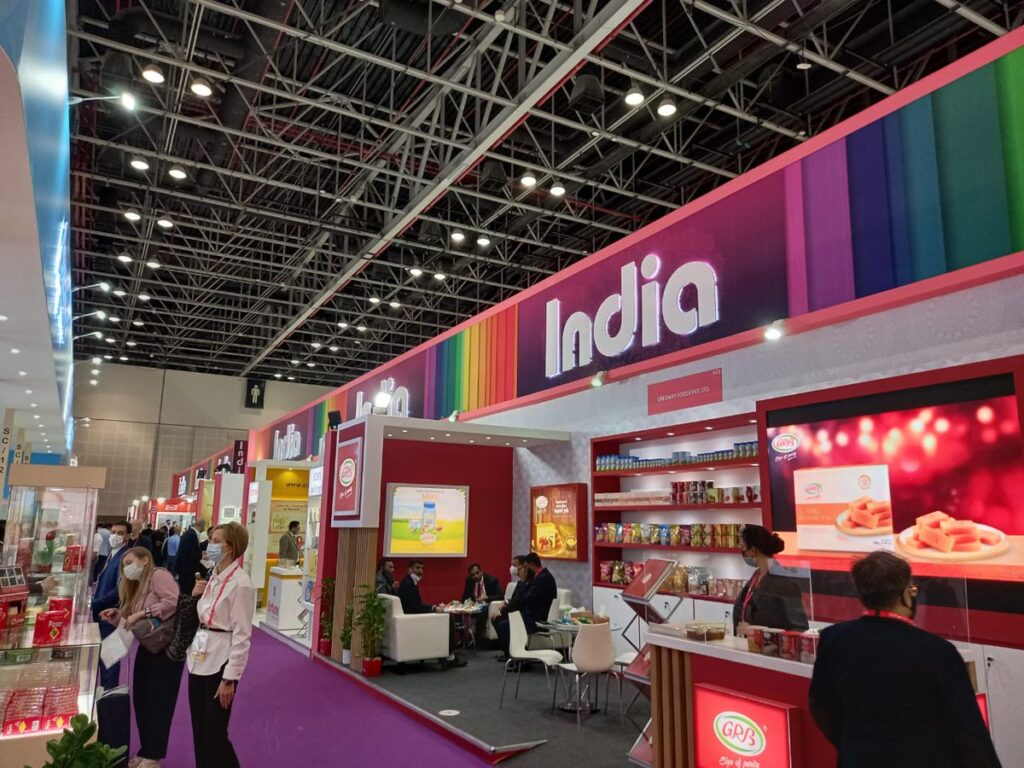
India marked a historic milestone in global food and trade diplomacy by making its debut as the Partner Country at Gulfood 2026, the world’s largest and most influential food and beverage exhibition, held in Dubai. This landmark participation places India at the centre of global agri-food conversations, highlighting the country’s growing role as a reliable supplier, innovation hub, and food-processing powerhouse.
India’s Partner Country status at Gulfood 2026 is not merely symbolic—it reflects the country’s expanding food exports, strong farm-to-fork ecosystem, and strategic engagement with global markets, particularly West Asia, Africa, and Europe.
What Is Gulfood and Why It Matters
Gulfood is the world’s largest annual food and beverage trade exhibition, hosted at the Dubai World Trade Centre. It brings together:
- Food manufacturers
- Exporters and importers
- Retailers and distributors
- Policymakers and agri-tech innovators
With participants from over 190 countries, Gulfood sets global trends in:
- Food sourcing
- Processing and packaging
- Sustainability and food security
- Innovation in nutrition and supply chains
Becoming the Partner Country gives India unparalleled visibility and leadership at this influential platform.
Why India’s Partner Country Status Is Historic
India’s selection as Partner Country at Gulfood 2026 is historic because:
- It is the first time India has held this role
- It signals India’s arrival as a global agri-food leader
- It strengthens India’s food trade diplomacy with the Middle East
The designation allows India to:
- Lead thematic discussions
- Showcase its food ecosystem at scale
- Influence global food trade narratives
India–UAE: A Strategic Food Trade Relationship
India’s Partner Country debut aligns with the deepening strategic partnership between India and the United Arab Emirates.
Why the UAE Matters to India
- The UAE is one of India’s largest food export destinations
- Dubai is a global re-export hub connecting Asia, Africa, and Europe
- Strong Indian diaspora presence supports food and retail trade
India’s Gulfood 2026 role strengthens food security cooperation and supply chain integration between the two nations.
India Pavilion: Showcasing the Nation’s Food Power
The India Pavilion at Gulfood 2026 emerged as one of the exhibition’s highlights, presenting a comprehensive showcase of Indian agri-food strength.
Key Highlights of the India Pavilion
- Basmati and non-basmati rice varieties
- Spices, herbs, and condiments
- Ready-to-eat and processed foods
- Organic and millet-based products
- Dairy, beverages, and plant-based foods
The pavilion reflected India’s diversity—from traditional staples to modern, value-added food products.
Focus on Millets and Traditional Superfoods
A major theme of India’s participation was the global promotion of millets and ancient grains, positioning them as superfoods for:
- Nutrition security
- Climate-resilient agriculture
- Sustainable diets
Indian exhibitors highlighted:
- Ragi, jowar, bajra, and foxtail millet products
- Gluten-free and vegan options
- Export-ready millet-based snacks and meals
This aligns with India’s global push to reposition traditional grains for modern consumers.
Boost to India’s Food Exports
India’s Partner Country status is expected to significantly boost:
- Food and beverage exports
- Long-term buyer partnerships
- Brand India in global food markets
Key Export Sectors Benefiting
- Rice and cereals
- Spices and spice blends
- Processed and packaged foods
- Marine products
- Organic and health foods
The platform allows Indian exporters to engage directly with global buyers at scale.
Food Processing and Value Addition in Focus
India used Gulfood 2026 to underline its shift from raw exports to value-added food processing.
Key messages included:
- Advanced food processing infrastructure
- Cold chain and logistics development
- Quality and safety standards compliance
- Investment opportunities in food parks
This reinforces India’s ambition to become a global food processing hub.
Innovation, Startups, and Agri-Tech
India’s presence also highlighted:
- Agri-tech startups
- Smart farming solutions
- Sustainable packaging
- Traceability and food safety technologies
This showcased India as not just a producer, but an innovator across the food value chain.
Sustainability and Food Security Narrative
At Gulfood 2026, India positioned itself as a partner in addressing global challenges such as:
- Food security
- Climate change
- Sustainable agriculture
India’s model of:
- Smallholder farming
- Climate-resilient crops
- Scalable food production
was presented as a blueprint for developing and emerging economies.
Diplomatic and Strategic Significance
India’s Partner Country role goes beyond trade.
Soft Power Through Food
Food is a powerful tool of diplomacy. Indian cuisine’s global popularity:
- Builds cultural connections
- Strengthens people-to-people ties
- Enhances national branding
India’s culinary heritage—from spices to street food—was a major attraction at Gulfood 2026.
Opportunities for MSMEs and Farmers
The exposure provided by Gulfood 2026 is especially important for:
- Small and medium food enterprises
- Farmer producer organisations
- Women-led food businesses
Direct access to international buyers:
- Improves price realisation
- Encourages export readiness
- Promotes inclusive growth
Strengthening Global Supply Chains
As global food supply chains face disruptions, India positioned itself as:
- A stable supplier
- A scalable production base
- A long-term trade partner
This reliability narrative resonated strongly with global buyers seeking diversification.
Industry and Global Response
India’s debut as Partner Country received:
- Strong interest from international buyers
- Positive response from global food brands
- Recognition of India’s growing export capabilities
Industry observers described India’s presence as confident, comprehensive, and future-focused.
Long-Term Impact for India
The Gulfood 2026 milestone is expected to:
- Accelerate food export growth
- Improve global brand perception
- Attract investment in food processing
- Strengthen India’s role in global food governance
It also sets the stage for deeper engagement in future global food exhibitions and trade platforms.
A Turning Point for Brand India in Food Trade
India’s Partner Country status reflects:
- Confidence in its food ecosystem
- Maturity of its export infrastructure
- Strategic use of global platforms
This is a shift from being seen only as a raw food supplier to a value-driven global food leader.
What Comes Next
Following Gulfood 2026, India is expected to:
- Convert buyer interest into long-term contracts
- Expand presence in Middle East and African markets
- Promote Indian food brands globally
- Strengthen food diplomacy initiatives
Conclusion
India’s historic debut as Partner Country at Gulfood 2026 in Dubai marks a defining moment in the country’s global food journey. It reflects India’s evolution from a traditional agricultural economy to a modern, export-oriented, innovation-driven food powerhouse.
By showcasing its diversity, sustainability, and scale at the world’s largest food exhibition, India sent a clear message:
It is ready to feed the world—not just with volume, but with quality, innovation, and trust.
As global food systems search for resilience and reliability, India’s leadership at Gulfood 2026 positions it firmly at the heart of the future of global food trade.