
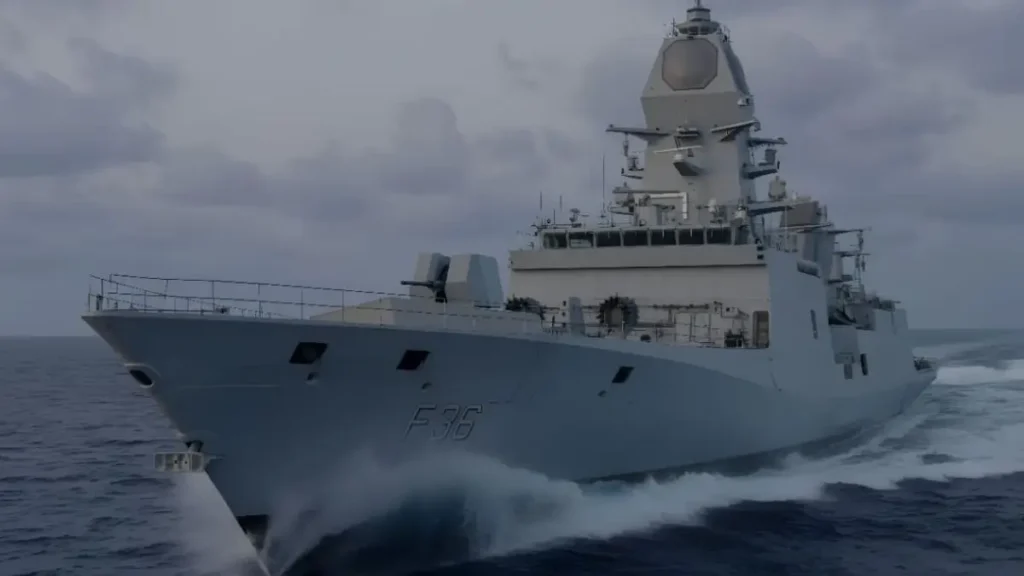
In a major boost to India’s maritime strength and indigenous defence capabilities, the Indian Navy has inducted the advanced stealth frigate ‘Dunagiri’ under the ambitious Project 17A. This development marks a significant milestone in India’s journey toward self-reliance in defence manufacturing and modernization of naval forces.
The induction of INS Dunagiri reflects India’s growing expertise in designing and building state-of-the-art warships domestically, reinforcing its position as a strong maritime power in the Indo-Pacific region.
What is Project 17A?
Project 17A is a follow-up to the earlier Shivalik-class stealth frigate program (Project 17). It focuses on constructing advanced stealth-guided missile frigates equipped with modern weapons, sensors, and improved stealth features.
The project includes the construction of seven stealth frigates, being built by major Indian shipyards:
- Mazagon Dock Shipbuilders Limited (MDL), Mumbai
- Garden Reach Shipbuilders & Engineers (GRSE), Kolkata
These warships are designed to enhance the Indian Navy’s operational capabilities, particularly in anti-submarine warfare, anti-air warfare, and surface combat operations.
INS Dunagiri: A Symbol of Indigenous Strength
INS Dunagiri is one of the key vessels under Project 17A and represents the new generation of Indian warships.
Named after a mountain range in Uttarakhand, Dunagiri continues the legacy of an earlier naval ship that served the Indian Navy with distinction.
Key Highlights of INS Dunagiri
- Advanced stealth design to reduce radar visibility
- Equipped with modern weapons and missile systems
- Capable of multi-role operations
- Built using indigenous technology and materials
- Enhanced automation for improved efficiency
The ship combines cutting-edge technology with indigenous innovation, making it a powerful addition to India’s naval fleet.
Advanced Stealth Capabilities
One of the defining features of INS Dunagiri is its stealth capability. Modern naval warfare requires ships to operate undetected, and stealth technology plays a crucial role in achieving this.
Features of Stealth Design
- Reduced radar cross-section
- Infrared signature suppression
- Noise reduction systems
- Advanced hull design
These features make the frigate less detectable by enemy radar and sensors, giving it a strategic advantage during operations.
Weapons and Combat Systems
INS Dunagiri is equipped with a wide range of advanced weapons and combat systems, enabling it to perform multiple roles effectively.
Combat Capabilities Include
- Surface-to-air missile systems for air defence
- Anti-ship missiles for offensive operations
- Torpedoes and anti-submarine warfare systems
- Advanced radar and sonar systems
- Close-in weapon systems for protection
The integration of these systems ensures that the ship can handle complex combat scenarios in modern naval warfare.
Role in Strengthening India’s Maritime Security
The induction of INS Dunagiri significantly enhances India’s maritime security capabilities.
Key Roles
- Protecting India’s coastline and territorial waters
- Safeguarding sea trade routes
- Conducting surveillance and reconnaissance missions
- Participating in joint naval exercises
- Supporting humanitarian and disaster relief operations
With increasing geopolitical tensions in the Indo-Pacific region, such advanced warships are essential for maintaining strategic balance and security.
Boost to ‘Make in India’ Initiative
INS Dunagiri is a shining example of India’s ‘Make in India’ initiative in the defence sector. A large portion of the ship’s components and systems have been developed domestically.
Benefits of Indigenous Development
- Reduced dependence on foreign defence imports
- Promotion of local industries and technology
- Creation of employment opportunities
- Strengthening of defence manufacturing ecosystem
The success of Project 17A highlights India’s capability to build world-class naval platforms.
Technological Advancements in Project 17A
Project 17A introduces several technological improvements over previous warship classes.
Key Innovations
- Modular construction techniques
- Improved hull design for better stability
- Advanced combat management systems
- Integrated platform management systems
- Enhanced crew comfort and automation
These advancements ensure higher efficiency, faster construction timelines, and better operational performance.
Strategic Importance in the Indo-Pacific Region
The Indo-Pacific region has become a focal point of global strategic competition. India’s naval strength plays a crucial role in maintaining stability in this region.
INS Dunagiri enhances India’s ability to:
- Monitor strategic waterways
- Counter potential threats
- Collaborate with allied nations
- Ensure freedom of navigation
The ship’s induction aligns with India’s vision of being a net security provider in the Indian Ocean Region.
Collaboration Between Shipyards and Industry
The successful construction of INS Dunagiri reflects strong collaboration between shipyards, defence organizations, and private industries.
Indian shipyards have adopted modern construction techniques and integrated advanced technologies to deliver high-quality warships.
This collaboration is essential for building a robust defence manufacturing ecosystem in the country.
Future of Indian Naval Modernization
The induction of INS Dunagiri is part of a broader naval modernization plan aimed at enhancing India’s maritime capabilities.
Future Plans Include
- Induction of more advanced warships
- Development of aircraft carriers and submarines
- Integration of AI and autonomous systems
- Strengthening coastal security infrastructure
India’s focus on modernization ensures that its navy remains prepared to face evolving security challenges.
Challenges and Opportunities
While India has made significant progress in indigenous defence manufacturing, certain challenges remain.
Challenges
- Need for continuous technological upgrades
- Managing project timelines and costs
- Ensuring global competitiveness
Opportunities
- Expanding defence exports
- Strengthening global partnerships
- Promoting innovation in defence technology
Addressing these challenges can further enhance India’s position in the global defence industry.
Conclusion
The induction of INS Dunagiri under Project 17A marks a significant milestone in India’s defence and maritime journey. It showcases the country’s growing capability to design and build advanced warships using indigenous technology.
With its stealth features, modern weapon systems, and multi-role capabilities, Dunagiri strengthens the Indian Navy’s operational readiness and strategic presence in the Indo-Pacific region.
As India continues to focus on self-reliance and modernization, initiatives like Project 17A will play a crucial role in shaping the future of its naval forces and ensuring national security.
INS Dunagiri is not just a warship—it is a symbol of India’s technological progress, strategic vision, and commitment to safeguarding its maritime interests. 🇮🇳⚓