
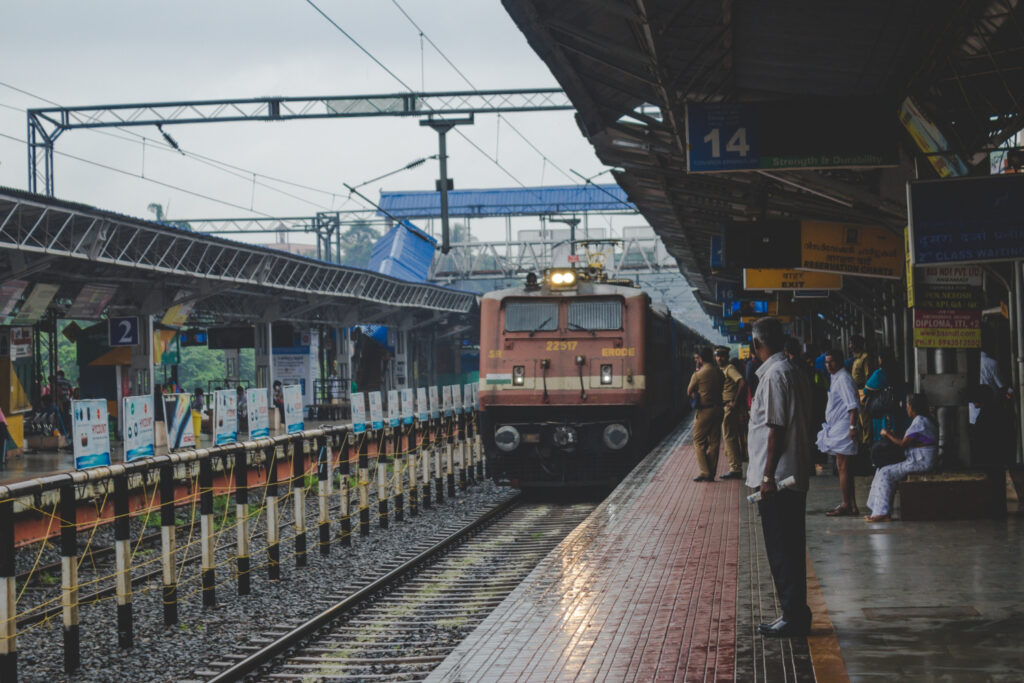
India’s railway network — one of the largest and busiest in the world — is stepping into a new digital era. With millions of passengers travelling daily across thousands of stations, managing crowd flow, ensuring safety, and resolving passenger grievances in real time has always been a massive challenge. Now, Indian Railways is embracing Artificial Intelligence (AI) to transform the travel experience.
From AI-powered grievance redressal systems to predictive crowd management tools, railways are going smart — not just reacting to problems but preventing chaos before it begins. This technological leap signals a major shift in how public transport infrastructure operates in the digital age.
The Need for Smart Railways in India
Indian Railways serves over 20 million passengers daily. Major stations in metropolitan cities often witness overwhelming crowd surges during festivals, peak travel seasons, and emergency situations. Traditional systems — manual monitoring, complaint registers, and delayed response mechanisms — struggle to keep pace with such demand.
The integration of AI-enabled applications is designed to:
- Improve passenger safety
- Reduce congestion
- Provide faster grievance resolution
- Enhance operational efficiency
- Strengthen predictive decision-making
The shift towards AI-driven management aligns with India’s broader digital transformation goals.
AI-Powered Grievance Redressal: Faster, Smarter, Transparent
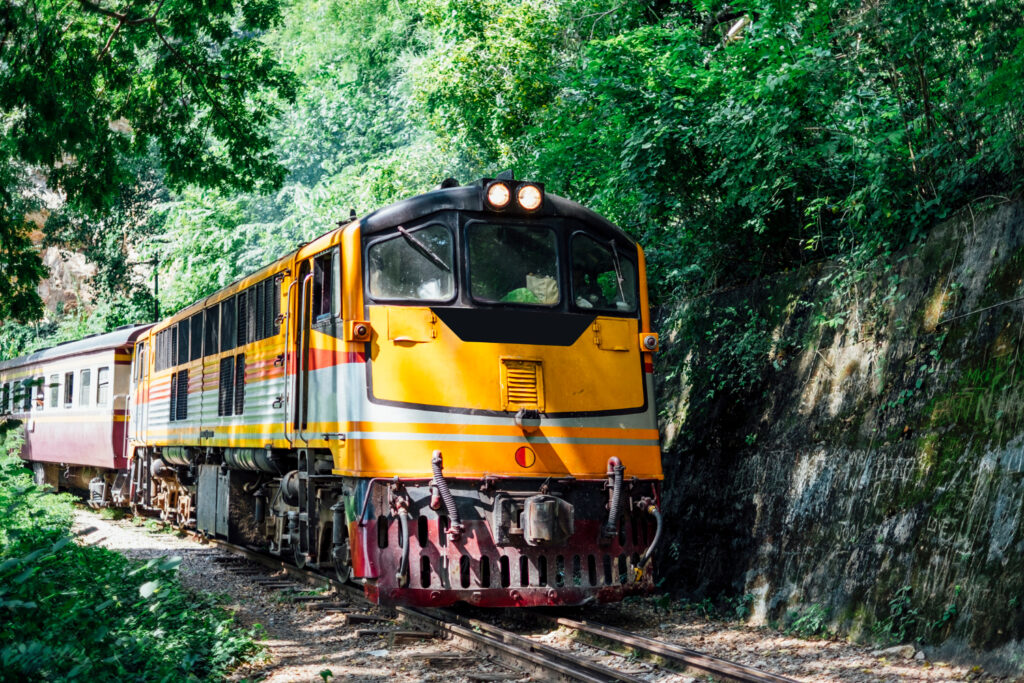
One of the most impactful reforms is the modernization of passenger complaint systems through AI-based tools.
Smarter Complaint Categorization
AI algorithms can now automatically:
- Categorize complaints (cleanliness, ticketing, delays, safety, catering)
- Identify urgency levels
- Route issues to relevant departments instantly
- Track resolution timelines
This ensures that critical complaints — such as safety or medical emergencies — receive immediate attention.
Real-Time Monitoring via RailMadad
RailMadad
RailMadad, the official grievance redressal app of Indian Railways, has been strengthened with intelligent backend systems. AI analyzes complaint patterns to detect recurring issues at specific stations or trains.
For example:
- Repeated complaints about sanitation at a station trigger automatic alerts.
- Frequent delays on a route can be flagged for operational review.
This predictive approach helps fix systemic issues rather than addressing isolated cases.
AI for Crowd Management: Preventing Chaos Before It Happens
Crowd management has historically been reactive — authorities intervene after congestion builds. AI flips the model toward proactive prevention.
Smart Surveillance & Predictive Analytics
Modern railway stations are now integrating:
- AI-enabled CCTV cameras
- Facial density mapping
- Real-time crowd heatmaps
- Movement pattern analysis
These systems monitor passenger density and identify unusual surges before they escalate into stampedes or bottlenecks.
Early Warning Alerts
When AI detects overcrowding in a particular zone:
- Station authorities receive instant alerts
- Additional staff deployment is triggered
- Entry/exit gates can be regulated
- Public announcements can redirect passengers
This reduces panic situations and enhances commuter safety.
Integration with Railway Protection Force (RPF)
Railway Protection Force
The Railway Protection Force is leveraging AI analytics for enhanced security and crowd control. Predictive tools help in:
- Identifying suspicious behavior
- Tracking unattended luggage
- Monitoring unauthorized access
- Anticipating crowd pressure during major events
This strengthens safety infrastructure without increasing manpower disproportionately.
Smart Ticketing & Passenger Flow Optimization
AI-enabled systems are also being used to analyze ticket booking patterns and predict passenger load.
Demand Forecasting
By analyzing historical travel data, seasonal trends, and event-based travel surges, AI can:
- Predict peak travel days
- Adjust train frequency
- Deploy special trains
- Optimize platform allocation
This ensures smoother passenger movement during festivals like Diwali, Chhath, and Holi.
Integration with IRCTC Systems
Indian Railway Catering and Tourism Corporation
The ticketing ecosystem managed by IRCTC benefits from AI-driven analytics that:
- Identify booking spikes
- Reduce server downtime
- Improve dynamic pricing strategies
- Detect fraudulent bookings
These improvements enhance passenger convenience while maintaining system integrity.
AI in Station Operations & Maintenance
Beyond crowds and complaints, AI is transforming operational efficiency.
Predictive Maintenance
AI systems analyze data from sensors installed on tracks and trains to:
- Detect wear and tear
- Predict equipment failure
- Schedule maintenance proactively
This reduces unexpected breakdowns and improves train punctuality.
Energy Management
Smart energy analytics help stations:
- Monitor power consumption
- Optimize lighting and HVAC systems
- Reduce operational costs
- Improve sustainability
AI-powered automation ensures that energy resources are used efficiently.
Role of the Ministry of Railways in Digital Transformation
Ministry of Railways
The Ministry of Railways is driving digital modernization under the broader framework of India’s smart governance initiatives. AI adoption is being implemented in phases across high-footfall stations first, followed by regional expansion.
The focus areas include:
- Passenger experience enhancement
- Safety upgrades
- Data-driven policymaking
- Infrastructure modernization
How AI Prevents Crowd Disasters
India has witnessed tragic crowd-related incidents in the past at various public places. AI-based predictive systems are designed to prevent such scenarios in railway stations.
Real-Time Density Monitoring
- AI tracks footfall per square meter
- Flags risk thresholds
- Recommends diversion plans
Behavioral Pattern Recognition
Unusual crowd movements — such as sudden surges toward a platform — are identified instantly.
Simulation Models
Before major events, AI models simulate:
- Passenger arrival rates
- Train arrival overlaps
- Exit congestion points
Authorities can prepare contingency plans in advance.
Passenger Benefits: A Smarter Travel Experience
The adoption of AI-enabled railway apps and systems directly benefits passengers through:
- Faster grievance redressal
- Reduced waiting times
- Safer platforms
- Better crowd control
- Real-time travel updates
Passengers no longer have to rely solely on manual complaint registers or delayed responses.
Data Security & Ethical AI Use
With increased digital monitoring comes responsibility. Indian Railways ensures:
- Secure data encryption
- Controlled data access
- Compliance with data protection norms
- Ethical AI deployment without misuse
Privacy safeguards are essential to maintaining public trust.
Challenges in AI Implementation
Despite its advantages, AI adoption in railways faces challenges:
- Infrastructure costs
- Data integration complexities
- Staff training requirements
- Connectivity limitations in remote areas
- Cybersecurity risks
Addressing these challenges is critical for long-term success.
Global Context: Smart Railways Worldwide
Globally, countries like Japan, China, and Germany have adopted AI in public transport systems. India’s railway modernization places it among forward-thinking nations embracing digital innovation for public safety and operational excellence.
Given India’s massive railway scale, successful AI integration could become a global benchmark for smart public transport management.
Future Roadmap: What’s Next?
The future of AI in Indian Railways may include:
- AI-based seat allocation optimization
- Automated language translation assistance
- Predictive delay alerts via mobile apps
- Smart luggage tracking
- Autonomous inspection drones
As technology evolves, railway services will become increasingly seamless and passenger-centric.
Conclusion
Indian Railways is undergoing a smart transformation powered by AI-enabled applications that aim to resolve grievances faster and manage crowds before chaos strikes. By integrating predictive analytics, real-time monitoring, and intelligent automation, the railway system is shifting from reactive crisis management to proactive prevention.
From the enhancement of RailMadad grievance systems to AI-powered surveillance under the Railway Protection Force, the modernization journey signals a safer, smarter, and more efficient railway ecosystem.
As India continues its digital evolution, smart railways will play a crucial role in shaping the future of public transportation — ensuring safety, efficiency, and a better travel experience for millions every day.