
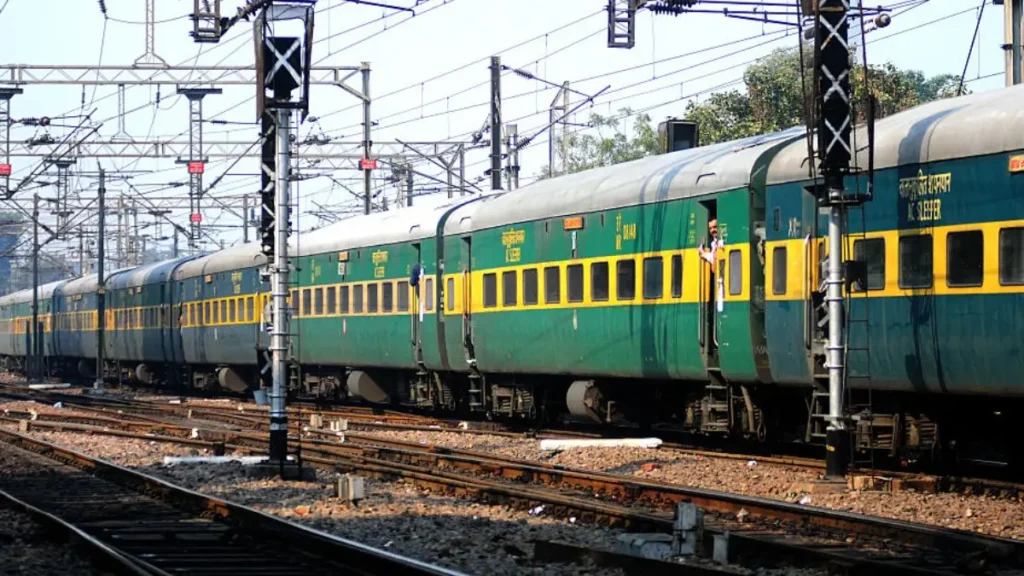
In a major boost to India’s transport infrastructure and urban mobility ambitions, Indian Railways has announced plans to double originating train capacity in 48 cities by 2030. The move is part of a long-term strategy to meet rising passenger demand, decongest major stations, improve punctuality, and support India’s rapid urban and economic growth.
As one of the world’s largest rail networks and the backbone of India’s public transport system, Indian Railways plays a critical role in connecting cities, towns, and rural regions. With urban populations expanding and intercity travel increasing sharply, the decision to scale up originating capacity marks a transformative step in modernising rail operations.
What Does “Doubling Originating Train Capacity” Mean?
Originating train capacity refers to the number of trains that start their journeys from a particular city or terminal station. Doubling this capacity means:
- Increasing the number of trains originating from selected cities
- Enhancing platform availability and terminal handling capacity
- Improving scheduling, yard management, and turnaround times
- Reducing dependence on through-passing trains
In practical terms, passengers will have more direct train options, better availability of seats, and reduced congestion at peak hours.
Why Indian Railways Is Scaling Up Originating Capacity
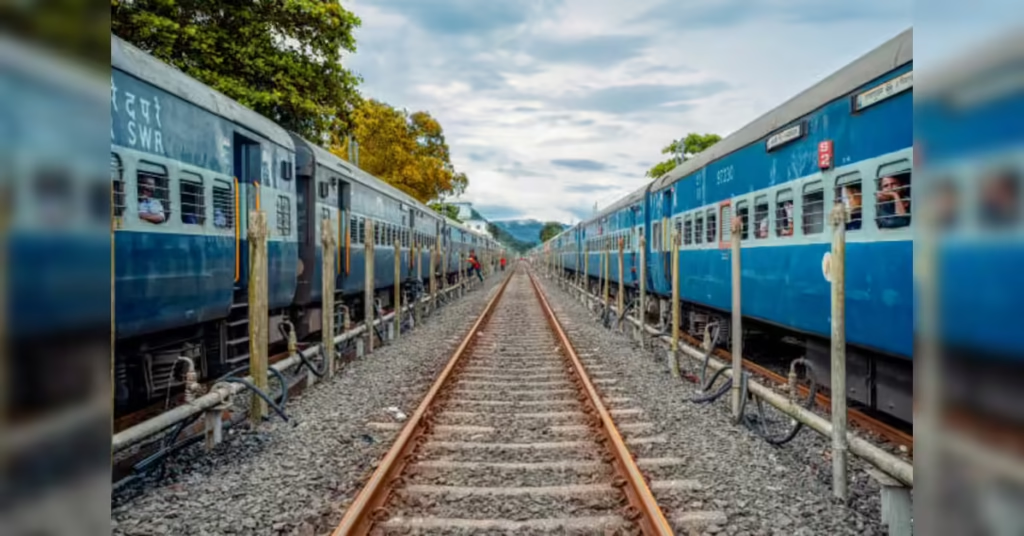
Rising Passenger Demand
India’s rail passenger numbers have grown steadily due to:
- Urbanisation and migration
- Growth of business and leisure travel
- Expansion of tier-2 and tier-3 cities
- Affordability of rail transport compared to air travel
By 2030, urban agglomerations are expected to handle significantly higher daily passenger volumes, making capacity expansion unavoidable.
Decongestion of Major Hubs
Many large stations currently suffer from:
- Overcrowded platforms
- Delays due to conflicting train movements
- Limited terminal space
Doubling originating trains helps distribute traffic more evenly and reduces pressure on overstretched junctions.
Improved Passenger Experience
More originating trains mean:
- Better time choices
- Higher probability of confirmed tickets
- Shorter waiting lists
- Improved punctuality
This directly enhances customer satisfaction and trust in rail services.
48 Cities Identified for Capacity Expansion
While Indian Railways has not publicly listed all 48 cities in a single release, the plan primarily focuses on:
- Major metropolitan cities
- High-density state capitals
- Emerging economic and industrial hubs
- Fast-growing tier-2 and tier-3 cities
Cities with large passenger footfall, strategic connectivity roles, and expanding suburban or regional rail demand are expected to be prioritised.
Infrastructure Upgrades Driving the Plan
Doubling originating capacity is not possible without massive infrastructure investment. Indian Railways has outlined several enabling measures:
1. Redevelopment of Terminal Stations
Key terminals will be upgraded with:
- Additional platforms
- Wider concourses
- Improved passenger circulation
- Modern amenities
Redevelopment ensures stations can handle more originating and terminating trains efficiently.
2. Development of Satellite Terminals
To reduce load on central stations, Indian Railways is expanding satellite and peripheral terminals. These terminals:
- Serve specific corridors or regions
- Allow trains to originate outside crowded city centres
- Improve operational flexibility
This approach is already showing success in select cities and will be expanded nationwide.
3. Track Doubling, Tripling, and Quadrupling
Capacity expansion on key corridors is being supported by:
- Track doubling and multi-tracking
- Removal of bottlenecks
- Improved signalling systems
These upgrades enable higher train frequency and smoother movement.
4. Modern Signalling and Technology
Advanced signalling systems such as:
- Automatic signalling
- Centralised traffic control
- Real-time monitoring
allow more trains to run safely on the same infrastructure, maximising network efficiency.
Role of Rolling Stock and New Trains
Infrastructure alone is not enough. Indian Railways is also:
- Increasing coach production
- Introducing higher-capacity trains
- Upgrading existing rakes
Modern trains with faster turnaround times allow more services to originate from the same terminal without delays.
Impact on Intercity and Long-Distance Travel
Doubling originating capacity will significantly benefit:
- Daily intercity commuters
- Business travellers
- Migrant workers
- Tourists
Passengers will experience:
- More direct point-to-point services
- Reduced need for transfers
- Better connectivity between non-metro cities
This shift supports balanced regional development by strengthening rail links beyond major metros.
Boost to Regional and Economic Growth
Rail connectivity is closely linked to economic activity. Expanded originating capacity will:
- Improve access to labour markets
- Support industrial clusters
- Boost tourism and hospitality
- Enhance logistics and services
Cities with stronger rail connectivity tend to attract more investment and talent.
Environmental and Sustainability Benefits
Railways are among the most energy-efficient modes of mass transport. By increasing rail capacity:
- Pressure on roads and highways is reduced
- Carbon emissions per passenger kilometre decline
- Dependence on private vehicles and short-haul flights decreases
The initiative aligns with India’s broader climate and sustainability goals.
Integration with Urban Transport Systems
The expansion is expected to complement:
- Metro rail networks
- Suburban rail systems
- Bus and multimodal hubs
Improved integration ensures smoother first-mile and last-mile connectivity, making rail travel more attractive for urban commuters.
Employment and Skill Development
Large-scale rail infrastructure expansion generates employment across:
- Construction and engineering
- Manufacturing and maintenance
- Operations and station management
Skill development programs linked to these projects will help build a future-ready railway workforce.
Challenges in Implementation
Despite its promise, the plan faces challenges such as:
- Land acquisition constraints in dense urban areas
- Coordination with state and city authorities
- Managing construction without disrupting existing services
- Ensuring timely project execution
Indian Railways has indicated that phased implementation and public-private partnerships will play a key role in overcoming these hurdles.
Timeline and Roadmap to 2030
The expansion will be rolled out in stages:
- Short-term (2024–2026): Planning, approvals, pilot upgrades
- Medium-term (2026–2028): Major construction and signalling upgrades
- Long-term (2028–2030): Full operationalisation and capacity doubling
Regular monitoring and data-driven planning will guide adjustments along the way.
Strategic Importance for India’s Transport Future
The decision to double originating train capacity in 48 cities reflects a shift in railway planning—from incremental growth to capacity-led transformation.
It supports:
- India’s urbanisation trajectory
- Economic resilience
- Sustainable mobility
- Inclusive access to transport
As rail demand continues to rise, such forward-looking investments are essential.
Conclusion
The plan by Indian Railways to double originating train capacity in 48 cities by 2030 represents one of the most ambitious passenger rail expansion initiatives in recent years. By combining infrastructure upgrades, technology adoption, station redevelopment, and network optimisation, the railway system is preparing for the next generation of travel demand.
For passengers, this means more choices, better reliability, and improved comfort. For cities and the economy, it means stronger connectivity and sustainable growth. As India moves toward a future of high-mobility urban centres, this initiative positions Indian Railways as a central pillar of national development.