
Every year on November 29, the world comes together to celebrate International Jaguar Day — a global initiative dedicated to raising awareness about the majestic jaguar, its ecological importance, and the urgent conservation efforts required to protect this iconic big cat. In 2025, the celebration carries added weight as the jaguar faces increasing threats from habitat loss, illegal hunting, and climate change. Yet, hope remains strong thanks to global restoration strategies, Indigenous leadership, cross-border wildlife corridors, and renewed conservation partnerships.
🌟 Why International Jaguar Day Matters
The jaguar (Panthera onca) is not only the largest feline in the Americas but also one of the most powerful and culturally symbolic animals on Earth. To Indigenous communities across Latin America, the jaguar represents:
- strength
- courage
- protection
- harmony with nature
Globally, the jaguar is a keystone species, meaning its presence is vital for maintaining ecological balance in forests, wetlands, and tropical ecosystems. When jaguars thrive, entire forests flourish.
International Jaguar Day brings global attention to:
- threats to jaguar habitats
- illegal wildlife trade
- the impact of deforestation
- climate change pressures
- conservation initiatives across countries
🐆 The Jaguar: Guardian of the Americas’ Forests
The jaguar is native to 18 countries across the Americas, from Mexico and Central America to the rainforests of Brazil, Argentina, Bolivia, and Peru. Historically, it roamed from the southwestern United States to northern Argentina. Today, jaguar populations survive across the Amazon Basin, Pantanal wetlands, and protected reserves — but are increasingly under pressure.
⭐ Ecological Importance
Jaguars help maintain biodiversity by:
- regulating prey populations (like deer, capybaras, peccaries)
- supporting healthy vegetation
- preventing overgrazing
- preserving food chain stability
They are apex predators, meaning they sit at the very top of the food chain.
🌎 Jaguar Conservation Status 2025
The jaguar is currently listed as Near Threatened on the IUCN Red List, but many regional populations are classified as:
- Vulnerable
- Endangered
- Critically Endangered
🌱 Major Threats
- Deforestation – Agriculture and cattle ranching clear millions of hectares of forest each year.
- Infrastructure Expansion – Roads, mining sites, and development fragment jaguar habitats.
- Poaching & Illegal Trade – Jaguars are often hunted for their pelts, teeth, and bones.
- Conflict with Humans – Jaguars sometimes prey on livestock, leading to retaliatory killings.
- Climate Change – Rising temperatures and droughts affect prey availability.
🛡️ 2025: A Year of Renewed Global Action
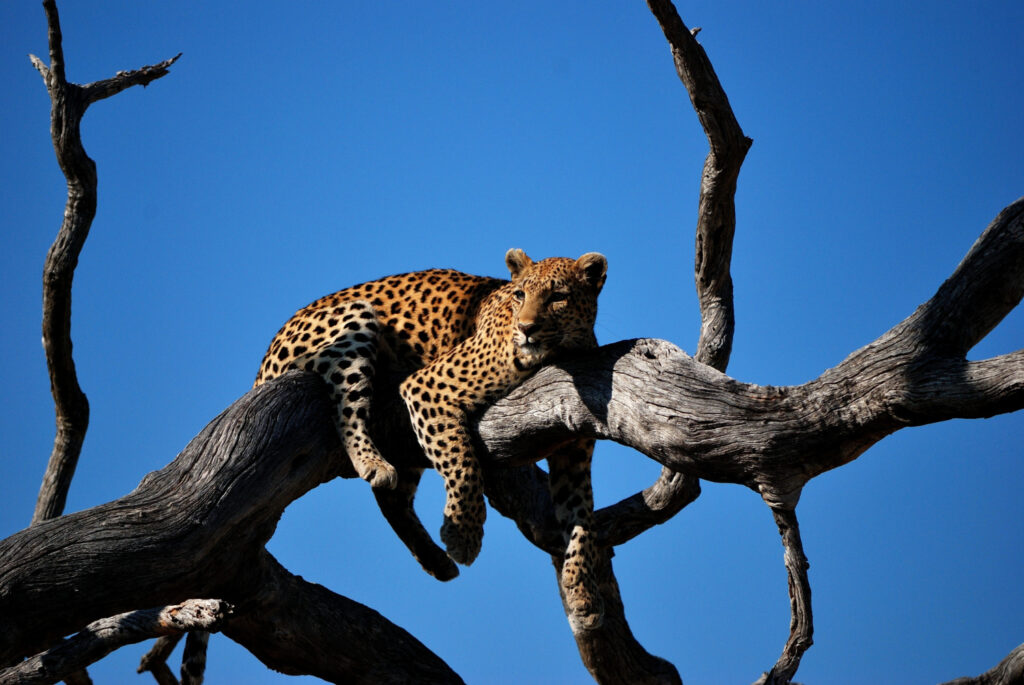
International Jaguar Day 2025 highlights major conservation milestones:
✔ 1. The Jaguar 2030 Roadmap
Launched by 14 countries, this strategy aims to recover jaguar populations by 2030, connecting jaguar habitats through wildlife corridors while reducing human-wildlife conflict.
✔ 2. Expansion of the Jaguar Corridor Initiative
This initiative establishes a continuous habitat corridor from Mexico to Argentina, allowing jaguars to move freely across landscapes and maintain genetic diversity.
✔ 3. Indigenous-Led Conservation
Indigenous communities now manage some of the most important jaguar reserves. Their traditional knowledge ensures sustainable forest conservation and coexistence.
✔ 4. Global Partnerships
Organizations like WWF, Panthera, WCS, UNDP, and local governments have increased investments in:
- anti-poaching units
- forest monitoring
- scientific research
- community-based ecotourism
🐾 Where Jaguars Thrive in 2025
1. The Amazon Rainforest
The Amazon hosts the world’s largest jaguar population, but illegal mining and fires remain serious threats.
2. The Pantanal (Brazil, Bolivia, Paraguay)
Known as the world’s largest tropical wetland, the Pantanal is a jaguar stronghold but faces wildfires and water shortages.
3. Central America
Jaguar populations here depend heavily on community reserves and forest corridors.
4. Mexico
Mexico has made significant progress in monitoring jaguars using AI-enabled camera traps.
5. Argentina
Rewilding efforts in Iberá National Park have helped restore jaguar populations lost for decades.
📸 How Technology Supports Jaguar Conservation
2025 conservation programs are more advanced than ever. Technology now plays a central role in protecting jaguars:
💡 1. AI-Powered Camera Traps
Artificial intelligence identifies jaguars in real time, tracks movement patterns, and alerts authorities to poaching activity.
💡 2. GPS Collars
These collars monitor jaguar migration, allowing conservationists to map safe zones and risky areas.
💡 3. Satellite Monitoring
Satellites track illegal logging and wildfires to help protect jaguar habitat.
💡 4. Drones
Used for patrolling remote forest regions and detecting human encroachment.
💡 5. DNA Sampling
Genetic analysis helps identify population health, breeding patterns, and long-term recovery strategies.
🧒 Empowering Communities: A Pillar of Conservation
Human communities remain the heart of conservation success. International Jaguar Day promotes:
⭐ Community-Based Ecotourism
Eco-lodges and wildlife tours provide local income while protecting natural habitats.
⭐ Sustainable Agriculture
Agroforestry and livestock protection measures reduce conflict between jaguars and farmers.
⭐ Educational Programs
Schools and universities run awareness campaigns to instill respect for wildlife.
⭐ Indigenous Wisdom
Indigenous nations preserve vast territories that remain essential jaguar habitats.
🌳 Cultural Significance of the Jaguar
To many Indigenous cultures across the Americas, the jaguar represents:
- spiritual strength
- protection
- leadership
- wisdom
In Maya civilization, the jaguar was connected to the underworld, night, and cosmic power. In Amazonian tribes, the jaguar is still believed to be the guardian of the forest.
Its cultural symbolism reinforces the importance of preserving this majestic animal.
🚨 Why Conservation Cannot Wait
Without immediate action, jaguar habitats will continue to shrink. The survival of this species is closely linked to the survival of entire ecosystems.
🚫 If jaguars disappear:
- forests become imbalanced
- prey populations explode
- vegetation declines
- ecosystem collapse accelerates
Saving jaguars means saving forests, rivers, and biodiversity.
🗺️ How the World Celebrates International Jaguar Day 2025
Across the Americas, International Jaguar Day involves:
- awareness marches
- school events
- conservation workshops
- Indigenous festivals
- wildlife photography exhibitions
- fundraising campaigns
- policy announcements
- documentary releases
Governments, conservation groups, and local communities unite to shine a spotlight on the jaguar.
✔️ How Individuals Can Help
Anyone can contribute to jaguar conservation by:
- supporting ethical wildlife organizations
- avoiding products linked to deforestation
- choosing sustainable food brands
- spreading awareness on social media
- supporting Indigenous land rights
- donating to jaguar corridor programs
- choosing eco-friendly travel options
Every small action adds up.
🌟 Conclusion
International Jaguar Day 2025 is more than a celebration — it is a powerful reminder of the jaguar’s role as the guardian of the Americas’ forests. From the Amazon to Central America and across Indigenous territories, the jaguar symbolizes strength, resilience, and ecological balance.
Protecting the jaguar means protecting entire ecosystems, cultures, and future generations. As conservation efforts accelerate through global partnerships, technology, and community involvement, there is renewed hope that this iconic species will continue to rule the forests for centuries to come.