
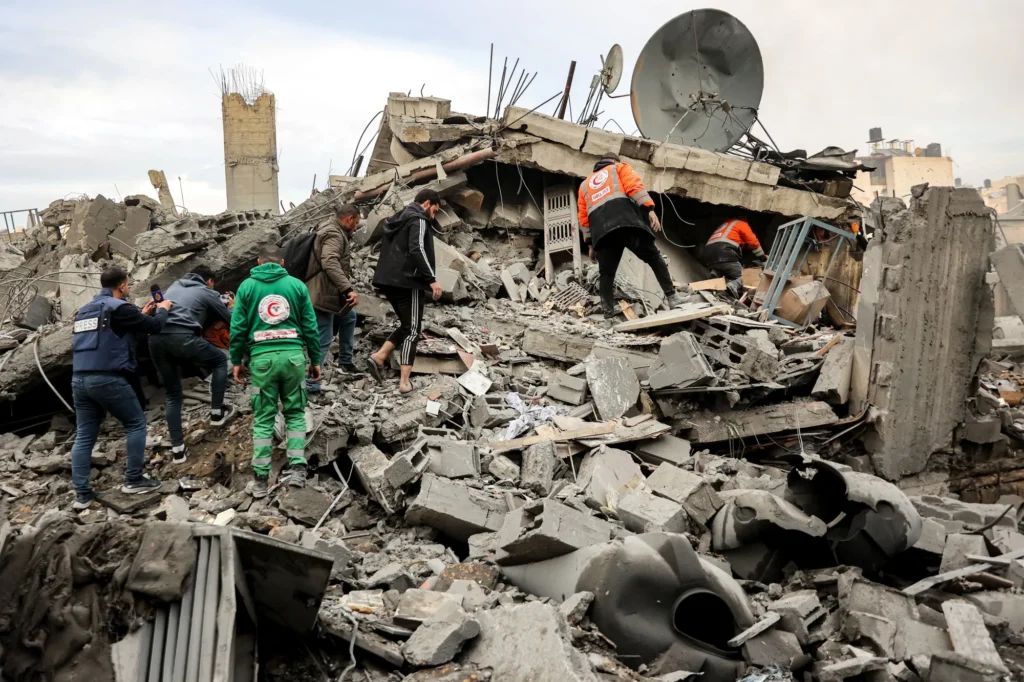
In a significant diplomatic development, Israel has agreed to join Donald Trump’s Board of Peace, a newly announced international mechanism designed to oversee and stabilize a ceasefire plan for Gaza. The move signals a fresh attempt to manage one of the world’s most protracted conflicts through a structured, multi-party oversight framework—pairing security guarantees with humanitarian coordination and political dialogue.
While details are still emerging, Israel’s participation has added momentum to ceasefire diplomacy at a time when regional stability, civilian protection, and post-conflict governance in Gaza remain urgent global concerns.
What Is Trump’s Board of Peace?
Trump’s Board of Peace is envisioned as a multinational oversight body tasked with monitoring compliance, facilitating communication between parties, and coordinating humanitarian access under a Gaza ceasefire arrangement. Though not a traditional treaty organization, the board aims to function as a high-level diplomatic platform—bringing together state actors, mediators, and technical experts to reduce escalation risks and sustain calm on the ground.
Core Objectives
- Ceasefire oversight: Monitor adherence to agreed pauses in hostilities
- Security coordination: Address violations swiftly to prevent escalation
- Humanitarian facilitation: Ensure aid flows and civilian protections
- Political channeling: Keep dialogue open for longer-term arrangements
Israel’s decision to join reflects an assessment that a structured mechanism may improve predictability and accountability during fragile ceasefire phases.
Why Israel’s Participation Matters
Security-Centered Calculus
Israel’s foremost priority in any Gaza arrangement is security—preventing rocket fire, cross-border attacks, and the rearmament of militant groups. By participating in an oversight framework, Israel seeks:
- Clear reporting channels for violations
- Defined response protocols to incidents
- International visibility for compliance and breaches
Participation does not imply endorsement of every political element; rather, it signals willingness to test a monitored ceasefire under specified conditions.
Diplomatic Signaling
Joining the board also sends a message of conditional engagement—that Israel is open to multilateral oversight when it aligns with its security requirements and preserves freedom of action against imminent threats.
Gaza Ceasefire: Why Oversight Is Critical
Ceasefires in Gaza have historically been short-lived due to:
- Mutual mistrust
- Ambiguous enforcement mechanisms
- Rapid escalation after isolated incidents
An oversight body aims to reduce ambiguity by standardizing monitoring and communication. When incidents occur, rapid verification and mediation can prevent localized flare-ups from spiraling into broader conflict.
How the Board Could Work in Practice
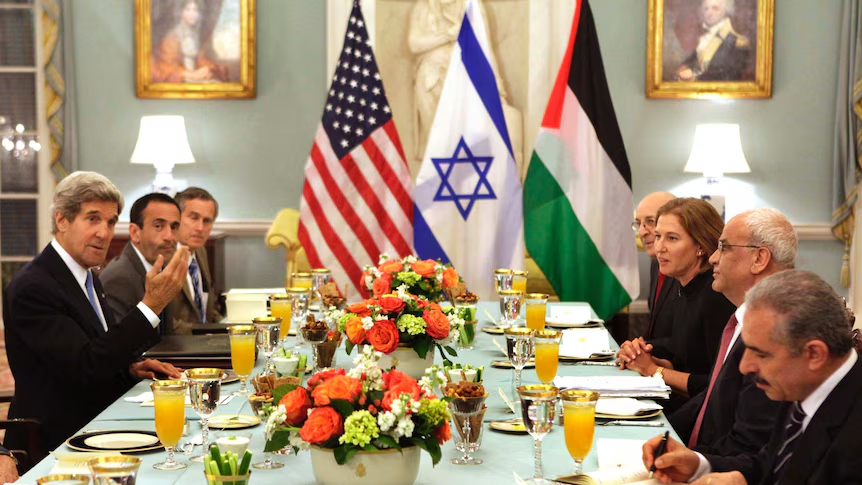
Monitoring and Verification
- Incident tracking and verification through agreed channels
- Regular briefings to participating parties
- Transparency mechanisms to document compliance
Crisis De-escalation
- Emergency hotlines and rapid-response mediation
- Pre-agreed steps to contain violations
- De-escalation playbooks tailored to Gaza’s context
Humanitarian Coordination
- Synchronizing aid delivery windows
- Protecting medical corridors and essential services
- Coordinating reconstruction-related access when feasible
The Trump Factor in Middle East Diplomacy
Donald Trump’s involvement brings both attention and controversy. Supporters argue his prior engagement in regional diplomacy demonstrated an ability to convene unlikely coalitions. Critics caution that durable peace requires broad buy-in and institutional continuity beyond personalities.
Nevertheless, the Board of Peace reflects an attempt to:
- Reintroduce high-level mediation
- Combine political leverage with operational oversight
- Keep ceasefire diplomacy in the international spotlight
Regional and International Reactions
Cautious Optimism
Some regional stakeholders see value in any mechanism that can reduce civilian harm and stabilize the situation, even temporarily. The emphasis on oversight—rather than immediate final-status negotiations—has been welcomed as pragmatic.
Skepticism and Concerns
Others question:
- The board’s mandate clarity
- Its enforcement authority
- The inclusivity of Palestinian representation
Skeptics stress that oversight must be paired with credible political pathways to avoid repeating past cycles.
Humanitarian Stakes in Gaza
Gaza’s humanitarian conditions remain severe. A monitored ceasefire could:
- Enable sustained aid access
- Support hospital operations and essential services
- Reduce displacement and civilian casualties
Humanitarian organizations emphasize that predictability—even short-term—can save lives and restore basic dignity.
Security and Sovereignty: Balancing Act
For Israel, participation requires balancing:
- Sovereign security prerogatives
- International oversight expectations
Clear rules of engagement, defined thresholds for action, and mutual recognition of red lines will be crucial to maintain confidence in the process.
Potential Challenges Ahead
- Enforcement limits: Oversight without enforcement risks ineffectiveness
- Spoilers: Non-state actors may attempt to derail calm
- Political fragmentation: Competing agendas can stall progress
- Sustainability: Ceasefires need pathways to longer-term arrangements
Addressing these will require disciplined coordination and realistic benchmarks.
What Success Would Look Like
In the near term:
- Fewer violations and quicker de-escalation
- Reliable humanitarian access
- Transparent incident reporting
In the medium term:
- Confidence-building measures
- Expanded dialogue channels
- Foundations for broader political talks
Even incremental gains could matter in a conflict defined by cycles of violence.
Implications for Middle East Diplomacy
Israel’s participation may encourage:
- Greater multilateral involvement
- More structured ceasefire frameworks elsewhere
- Renewed focus on operational peacekeeping tools alongside diplomacy
If the board demonstrates utility, it could inform future conflict-management models.
Conclusion
Israel’s decision to join Trump’s Board of Peace to oversee a Gaza ceasefire plan marks a notable turn toward structured oversight in a conflict long plagued by fragile truces. While uncertainties remain—about mandate, enforcement, and inclusivity—the move introduces a mechanism aimed at reducing escalation, protecting civilians, and keeping diplomatic channels open.
Whether the board can deliver durable calm will depend on clarity of purpose, credible monitoring, and sustained political will. For now, the development underscores a shared recognition: that without oversight and communication, ceasefires in Gaza are unlikely to hold—and that even imperfect mechanisms may offer a chance to break the cycle, however briefly.