
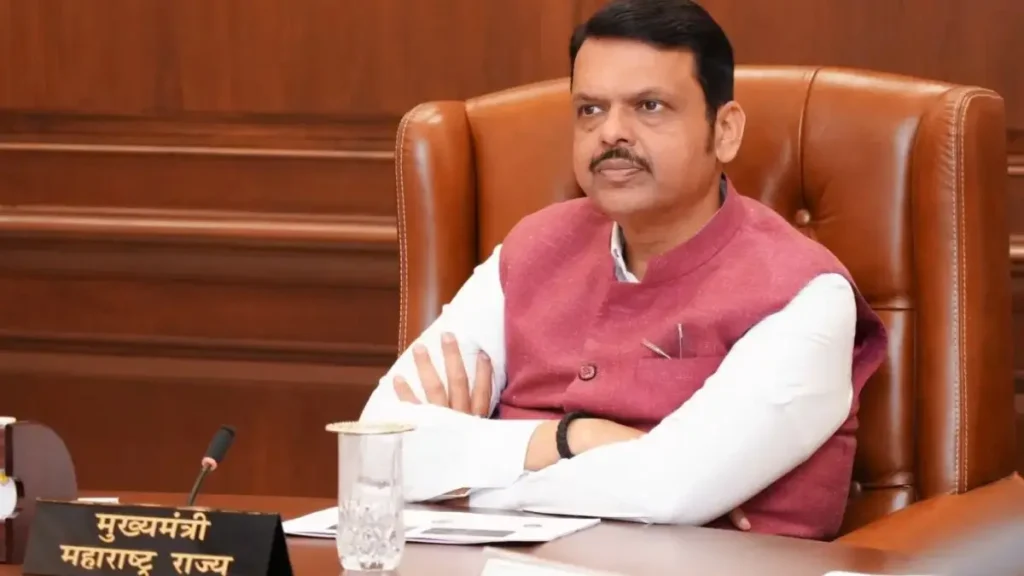
In a significant move aimed at strengthening its position as a technology and innovation hub, the Maharashtra Cabinet has approved the ambitious Artificial Intelligence (AI) Policy 2026. This forward-looking policy is designed to attract large-scale investments, generate employment, and establish Maharashtra as a leader in AI-driven transformation across industries.
With global economies rapidly embracing artificial intelligence, Maharashtra’s policy reflects a proactive approach to future-proof its economy while creating opportunities for startups, enterprises, and skilled professionals.
A Strategic Vision for AI-Led Growth
The AI Policy 2026 lays out a comprehensive roadmap to integrate artificial intelligence into various sectors, including healthcare, agriculture, education, manufacturing, and governance. By doing so, the state aims to enhance productivity, improve public services, and drive sustainable economic growth.
The policy aligns with India’s broader digital transformation goals and positions Maharashtra as a key contributor to the country’s ambition of becoming a global technology powerhouse.
Artificial intelligence is no longer limited to tech companies—it is now a critical enabler across industries. Recognizing this, the Maharashtra government is focusing on building an ecosystem that supports innovation, research, and commercialization of AI technologies.
Key Objectives of the AI Policy 2026
The newly approved policy is built around several core objectives:
1. Attracting Investments
Maharashtra aims to draw both domestic and international investments in AI by offering incentives, infrastructure support, and a business-friendly environment. The state plans to establish dedicated AI zones and innovation clusters to facilitate this growth.
2. Job Creation and Skill Development
One of the primary goals is to generate employment opportunities in AI and related fields. The policy emphasizes upskilling and reskilling programs to prepare the workforce for emerging roles in data science, machine learning, and automation.
3. Promoting Startups and Innovation
The government intends to support AI startups through funding, mentorship, and incubation programs. By fostering a startup-friendly ecosystem, Maharashtra hopes to encourage innovation and entrepreneurship.
4. Strengthening Research and Development
Collaboration between academic institutions, research organizations, and industry players will be a key focus area. The policy aims to boost R&D activities and facilitate the development of cutting-edge AI solutions.
Sector-Wise Impact of the Policy
The AI Policy 2026 is expected to have a transformative impact across multiple sectors:
Healthcare
AI can revolutionize diagnostics, patient care, and hospital management. From early disease detection to personalized treatment plans, the integration of AI has the potential to improve healthcare outcomes significantly.
Agriculture
Farmers can benefit from AI-powered tools for crop monitoring, weather forecasting, and precision farming. This can lead to increased productivity and reduced risks associated with climate variability.
Education
AI-driven learning platforms can provide personalized education experiences, making learning more effective and accessible. The policy also aims to integrate AI into curricula to prepare students for future careers.
Manufacturing
Automation and predictive maintenance powered by AI can enhance efficiency and reduce operational costs in manufacturing units.
Governance
AI can improve public service delivery by enabling data-driven decision-making, enhancing transparency, and reducing administrative inefficiencies.
Infrastructure and AI Ecosystem Development
To support the implementation of the policy, the Maharashtra Cabinet plans to invest in robust digital infrastructure. This includes:
- Establishing AI data centers
- Creating high-performance computing facilities
- Developing innovation hubs and tech parks
- Enhancing connectivity and digital access
These initiatives will provide the necessary foundation for businesses and researchers to develop and deploy AI solutions effectively.
Focus on Skill Development
A critical component of the AI Policy 2026 is its emphasis on skill development. As automation reshapes the job market, there is a growing need for a workforce equipped with relevant skills.
The policy proposes:
- AI-focused training programs in collaboration with educational institutions
- Certification courses in data science and machine learning
- Partnerships with industry leaders for hands-on training
- Inclusion of AI modules in school and college curricula
By investing in human capital, Maharashtra aims to ensure that its workforce remains competitive in the global job market.
Encouraging Public-Private Partnerships
The success of the AI Policy 2026 will depend heavily on collaboration between the government and private sector. The policy encourages public-private partnerships (PPPs) to accelerate innovation and implementation.
Private companies can bring expertise, technology, and investment, while the government can provide regulatory support and infrastructure. This synergy is expected to drive faster adoption of AI across industries.
Challenges and Ethical Considerations
While the policy presents numerous opportunities, it also raises important challenges:
Data Privacy and Security
With increased reliance on data, ensuring privacy and security becomes critical. The policy must address these concerns through robust regulations.
Ethical Use of AI
The use of AI must be guided by ethical principles to prevent bias, discrimination, and misuse.
Digital Divide
Efforts must be made to ensure that the benefits of AI reach all sections of society, including rural and underserved communities.
Job Displacement
While AI creates new jobs, it may also replace certain roles. Reskilling initiatives will be essential to mitigate this impact.
Economic Impact and Future Prospects
The AI Policy 2026 is expected to significantly boost Maharashtra’s economy by attracting investments, fostering innovation, and creating jobs. As businesses increasingly adopt AI, the demand for skilled professionals will continue to rise.
The policy also positions Maharashtra as a preferred destination for global tech companies looking to expand their AI operations in India.
Over the next few years, the state could emerge as a leader in AI research, development, and deployment—contributing to India’s overall growth in the technology sector.
Conclusion
The approval of the AI Policy 2026 by the Maharashtra Cabinet marks a pivotal moment in the state’s journey towards becoming a technology-driven economy. By focusing on investment, innovation, and skill development, the policy aims to unlock the full potential of artificial intelligence.
As industries evolve and new opportunities emerge, Maharashtra’s proactive approach sets a strong example for other states. The success of this policy will depend on effective implementation, collaboration, and continuous adaptation to technological advancements.
In a world increasingly shaped by AI, Maharashtra is taking a decisive step forward—one that could redefine its economic landscape and create a future driven by innovation, inclusivity, and growth.