
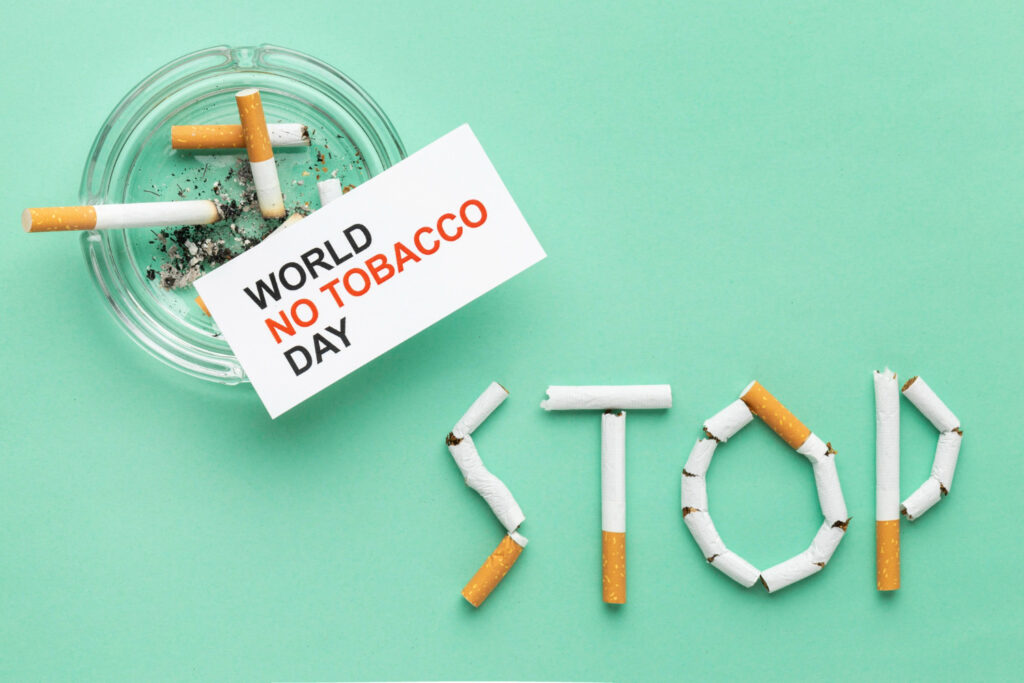
Every year, millions of people across the world observe No Smoking Day, a global health awareness event that encourages smokers to quit tobacco and adopt a healthier lifestyle. In 2026, No Smoking Day falls on March 11, serving as an important reminder about the dangers of smoking and the benefits of quitting.
Smoking remains one of the leading causes of preventable diseases and deaths worldwide. Health organizations, governments, and medical experts use this day to spread awareness about the harmful effects of tobacco and to motivate smokers to take the first step toward a smoke-free life.
No Smoking Day is not just about quitting cigarettes for one day—it is about starting a long-term journey toward better health and wellbeing.
What Is No Smoking Day?
No Smoking Day is an annual health awareness campaign designed to encourage smokers to quit tobacco and to educate people about the serious health risks associated with smoking.
The event is widely supported by healthcare organizations, medical professionals, and anti-tobacco campaigns around the world. The day aims to provide smokers with information, support, and motivation to break free from nicotine addiction.
While quitting smoking can be challenging, No Smoking Day helps people realize that they are not alone in their journey to quit.
Why March 11 Is Important
March 11, 2026, marks a significant opportunity for smokers to reflect on their health and take the first step toward quitting tobacco. The date is chosen as part of a long-standing global campaign to encourage people to commit to quitting smoking.
The purpose of setting aside a specific day is to create awareness and inspire collective action. On this day, various activities take place worldwide, including:
- Public awareness campaigns
- Health seminars and workshops
- Social media campaigns promoting tobacco-free living
- Support programs for people trying to quit smoking
These efforts help individuals understand the risks of smoking and the benefits of living a smoke-free life.
The Global Impact of Smoking
Smoking continues to be one of the biggest public health challenges worldwide. According to health experts, tobacco use is responsible for millions of deaths every year.
Cigarettes and other tobacco products contain thousands of chemicals, many of which are harmful to the human body. Long-term tobacco use increases the risk of several life-threatening diseases.
Major Health Risks of Smoking
Smoking is linked to a wide range of serious health problems, including:
- Lung cancer
- Heart disease
- Stroke
- Chronic respiratory diseases
- Reduced immune system function
Smoking also affects nearly every organ in the body and significantly reduces life expectancy.
Benefits of Quitting Smoking
Quitting smoking is one of the most important decisions a person can make for their health. The body begins to heal almost immediately after quitting tobacco.
Immediate Health Benefits
Within hours of quitting smoking, several positive changes occur in the body:
- Heart rate begins to normalize
- Carbon monoxide levels decrease
- Oxygen levels improve
Long-Term Benefits
Over time, quitting smoking significantly reduces the risk of serious diseases. Long-term benefits include:
- Lower risk of lung cancer
- Reduced chances of heart disease
- Improved lung function
- Better overall physical fitness
People who quit smoking also experience improved sense of taste and smell, higher energy levels, and better quality of life.
Why Quitting Smoking Is Difficult
Despite the well-known health risks, many people find it difficult to quit smoking. This is mainly due to nicotine addiction, which creates strong physical and psychological dependence.
Nicotine stimulates the brain and creates a temporary feeling of relaxation and pleasure. Over time, the body becomes dependent on nicotine, making it challenging for smokers to stop.
Common withdrawal symptoms include:
- Irritability
- Anxiety
- Difficulty concentrating
- Increased cravings for cigarettes
However, with the right support and determination, quitting smoking is achievable.
Tips to Help Quit Smoking
No Smoking Day encourages smokers to take practical steps toward quitting tobacco. Here are some helpful strategies that can increase the chances of success.
1. Set a Quit Date
Choosing a specific day to stop smoking can help create a clear goal and mental commitment.
2. Seek Support
Support from friends, family, and healthcare professionals can make a big difference during the quitting process.
3. Avoid Triggers
Certain situations or habits may trigger the urge to smoke. Identifying and avoiding these triggers can help reduce cravings.
4. Stay Physically Active
Exercise can help reduce stress and improve mood, making it easier to resist the urge to smoke.
5. Consider Professional Help
Doctors and health experts can provide guidance, medications, or therapy to help people overcome nicotine addiction.
Role of Awareness Campaigns
Public awareness campaigns play a crucial role in reducing tobacco consumption. Events like No Smoking Day help educate people about the harmful effects of smoking and encourage healthier choices.
Governments and health organizations around the world conduct anti-smoking campaigns to:
- Promote tobacco-free lifestyles
- Reduce smoking among young people
- Support smokers trying to quit
- Strengthen public health initiatives
These campaigns have contributed to a gradual decline in smoking rates in many countries.
Protecting Future Generations
One of the most important goals of No Smoking Day is to protect young people from developing tobacco addiction.
Many smokers start using tobacco during their teenage years. Awareness programs in schools and communities aim to educate young individuals about the risks of smoking before they develop the habit.
Encouraging smoke-free lifestyles among youth can significantly reduce future health risks and improve public health outcomes.
The Importance of a Smoke-Free Lifestyle
Choosing to live a smoke-free life has benefits not only for individuals but also for families and communities. Secondhand smoke can harm non-smokers, especially children and elderly individuals.
By quitting smoking, individuals can create a healthier environment for themselves and their loved ones.
Smoke-free lifestyles also contribute to improved air quality, reduced healthcare costs, and healthier societies.
Conclusion
No Smoking Day 2026, observed on March 11, serves as an important reminder of the dangers of tobacco use and the life-changing benefits of quitting smoking. The day encourages individuals to reflect on their health and take the first step toward a tobacco-free life.
Quitting smoking may be challenging, but it is one of the most powerful decisions a person can make to improve their health and wellbeing. With awareness, support, and determination, millions of people around the world can break free from nicotine addiction.
No Smoking Day is more than just a health campaign—it is a global movement that inspires individuals to choose health, strength, and a smoke-free future. 🚭