
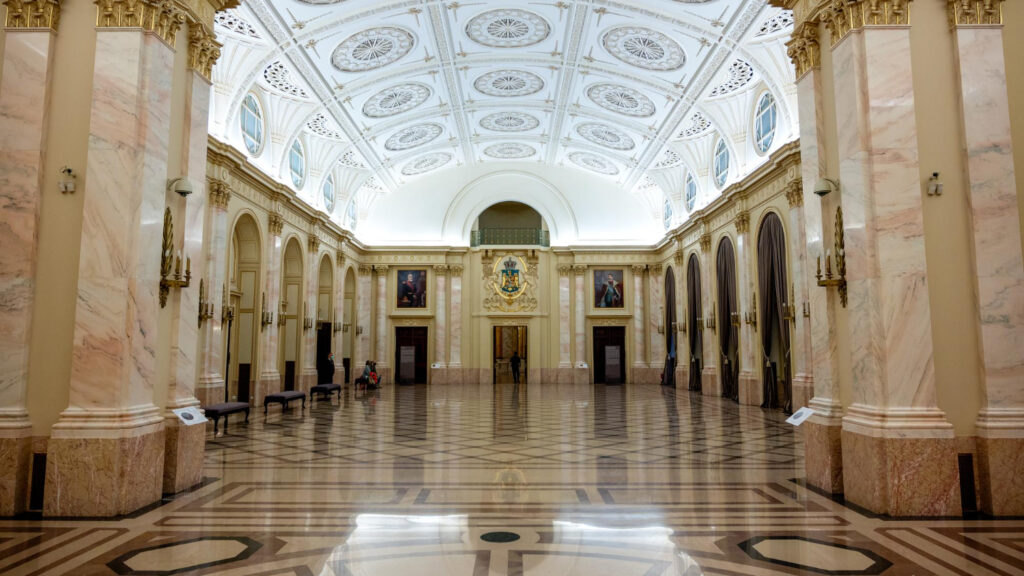
In a significant cultural and spiritual development, Narendra Modi, the Prime Minister of India, inaugurated the Samrat Samprati Museum on the auspicious occasion of Mahavir Jayanti. The inauguration marks an important step in preserving and promoting India’s rich Jain heritage while honoring the legacy of one of its most influential historical figures, Samrat Samprati.
The event brought together spiritual leaders, historians, scholars, and devotees from across the country, highlighting the importance of cultural preservation and religious harmony in modern India.
Significance of the Samrat Samprati Museum
The newly inaugurated museum is dedicated to Samrat Samprati, a Mauryan emperor known for his deep devotion to Jainism and his efforts in spreading its teachings across India and beyond.
Often referred to as the “Ashoka of Jainism,” Samprati played a crucial role in promoting non-violence, compassion, and spiritual awareness. The museum aims to showcase his contributions and the broader history of Jainism.
Key Features of the Museum
- Exhibits on the life and achievements of Samrat Samprati
- Displays of ancient Jain scriptures and artifacts
- Digital installations showcasing Jain philosophy
- Educational sections for students and researchers
- Interactive galleries highlighting India’s cultural heritage
The museum serves as both a cultural center and a learning hub for visitors interested in Jain history and philosophy.
Why the Inauguration on Mahavir Jayanti Matters
The inauguration of the museum on Mahavir Jayanti holds deep symbolic significance. The day marks the birth anniversary of Lord Mahavir, the 24th Tirthankara of Jainism, whose teachings continue to inspire millions.
By choosing this day for the inauguration, the government emphasized the importance of:
- Preserving spiritual heritage
- Promoting values of non-violence and truth
- Encouraging cultural awareness among younger generations
The event aligns with the broader goal of celebrating India’s diverse religious traditions and promoting unity.
PM Modi’s Vision for Cultural Preservation
During the inauguration ceremony, Prime Minister Narendra Modi highlighted the importance of preserving India’s cultural and spiritual heritage.
He emphasized that museums like the Samrat Samprati Museum play a vital role in:
- Educating future generations
- Preserving historical knowledge
- Promoting tourism and cultural exchange
The Prime Minister also spoke about India’s efforts to revive and showcase its ancient traditions through modern platforms and infrastructure.
Who Was Samrat Samprati?
Samrat Samprati was a prominent ruler of the Mauryan dynasty and the grandson of Emperor Ashoka. He is widely known for his dedication to Jainism and his contributions to spreading its teachings.
Contributions of Samrat Samprati
- Built thousands of Jain temples across India
- Supported Jain monks and scholars
- Promoted non-violence and ethical governance
- Encouraged the spread of Jain philosophy beyond India
His efforts played a significant role in establishing Jainism as a major spiritual tradition in ancient India.
Promoting Jain Heritage and Tourism
The Samrat Samprati Museum is expected to become a major attraction for tourists, historians, and spiritual seekers.
India is home to a rich Jain heritage, including ancient temples, monuments, and cultural sites. The museum adds to this legacy by providing a centralized platform to explore Jain history and philosophy.
Benefits for Tourism
- Attracts domestic and international visitors
- Promotes heritage tourism
- Creates economic opportunities for local communities
- Encourages cultural exchange
The initiative is expected to boost tourism and contribute to regional development.
Role of Museums in Modern Society
Museums play a crucial role in preserving history and educating society. In today’s fast-paced world, they serve as important spaces for learning, reflection, and cultural appreciation.
The Samrat Samprati Museum represents a modern approach to heritage preservation by combining traditional exhibits with digital technology.
This makes history more engaging and accessible to younger audiences.
Spreading the Message of Non-Violence
One of the central themes of both Mahavir Jayanti and the museum is the principle of non-violence (Ahimsa).
In a world facing conflicts and challenges, the teachings of Jainism offer valuable lessons in peace, compassion, and coexistence.
By promoting these values, the museum aims to inspire visitors to adopt a more ethical and harmonious way of life.
Educational Impact
The museum is also designed to serve as an educational resource for students and researchers.
Schools and academic institutions can benefit from:
- Guided tours and workshops
- Access to historical documents and research materials
- Interactive learning experiences
This initiative helps bridge the gap between traditional knowledge and modern education.
Strengthening India’s Cultural Identity
India is known for its diverse cultural and religious traditions. Initiatives like the Samrat Samprati Museum help strengthen the country’s cultural identity by preserving and promoting its heritage.
By showcasing the contributions of historical figures like Samrat Samprati, the museum highlights the richness of India’s past and its relevance in the present.
Conclusion
The inauguration of the Samrat Samprati Museum by Prime Minister Narendra Modi on Mahavir Jayanti is a significant step toward preserving India’s spiritual and cultural heritage.
The museum not only honors the legacy of Samrat Samprati but also promotes the timeless teachings of Jainism, including non-violence, truth, and compassion.
As a center for education, culture, and tourism, the museum is expected to inspire future generations and strengthen India’s global image as a land of rich traditions and values.
This initiative reflects a broader vision of connecting the past with the present, ensuring that India’s heritage continues to guide and inspire society for years to come. 🙏