
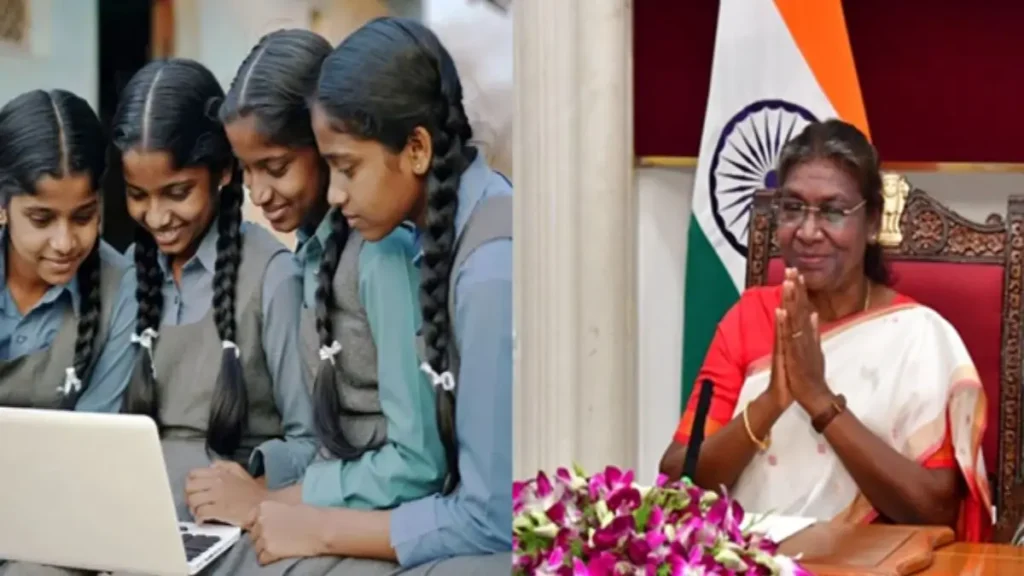
In a significant move toward strengthening women empowerment and inclusive development, President Droupadi Murmu launched four major women welfare schemes in Delhi. The initiatives are aimed at enhancing financial security, improving access to education and healthcare, promoting skill development, and ensuring social protection for women across India.
The launch reflects the government’s continued commitment to gender equality and inclusive growth, placing women at the center of India’s development agenda. With a focus on economic independence and social security, these schemes are expected to benefit thousands of women, particularly from economically weaker sections.
Strengthening the Vision of Women-Led Development
Over the past decade, India has increasingly shifted from women-centric development to women-led development. The launch of these four welfare schemes reinforces this approach, empowering women not only as beneficiaries but also as active contributors to the country’s economic progress.
President Droupadi Murmu, while addressing the gathering in Delhi, emphasized the importance of creating equal opportunities for women in education, entrepreneurship, and employment. She highlighted that empowering women strengthens families, communities, and ultimately the nation.
The new schemes align with India’s broader objectives of inclusive growth, financial inclusion, and social justice.
Focus Areas of the Women Welfare Schemes
The four newly launched schemes focus on critical areas affecting women’s lives:
1. Financial Assistance and Economic Empowerment
One of the key schemes aims to provide direct financial assistance and promote self-reliance among women. By encouraging entrepreneurship and supporting small businesses run by women, the initiative seeks to increase female participation in the workforce.
Access to micro-credit, skill training, and startup support will enable women to establish sustainable income sources. Financial independence plays a vital role in enhancing women’s decision-making power within households and society.
2. Skill Development and Employment Opportunities
Skill development remains a cornerstone of women empowerment initiatives. The scheme emphasizes vocational training programs tailored to current industry demands, including digital skills, manufacturing, handicrafts, and service sectors.
By bridging the skill gap, the government aims to improve employability among young women and support their integration into formal employment. The focus on digital literacy also ensures women can participate in the growing digital economy.
3. Healthcare and Social Security Support
Healthcare accessibility is a significant challenge for many women, particularly in rural and underprivileged communities. One of the schemes addresses this gap by enhancing access to affordable healthcare services and strengthening maternal health programs.
The initiative includes preventive health check-ups, awareness campaigns, and improved healthcare infrastructure for women. Social security benefits for widows, elderly women, and single mothers are also part of the broader framework.
By prioritizing healthcare, the scheme contributes to overall social well-being and reduces long-term economic vulnerability.
4. Educational Support and Scholarships
Education remains a powerful tool for transforming women’s lives. The fourth scheme focuses on providing scholarships and financial assistance to girls and young women pursuing higher education.
Encouraging female education not only improves literacy rates but also increases workforce participation and leadership opportunities. The initiative aims to reduce dropout rates and support girls from economically weaker backgrounds.
Education empowers women to break cycles of poverty and create better futures for themselves and their families.
Impact on Women Empowerment in India
The launch of these four women welfare schemes in Delhi marks a strategic step toward achieving gender equality. Empowered women contribute significantly to economic growth, social development, and innovation.
Studies have shown that higher female workforce participation leads to improved GDP growth and economic resilience. By investing in women’s education, skills, and health, the government strengthens India’s long-term development prospects.
These initiatives also complement existing national programs aimed at financial inclusion, digital access, and social protection.
Supporting Sustainable Development Goals
The newly launched schemes align closely with the United Nations Sustainable Development Goals (SDGs), particularly:
- Gender Equality (SDG 5)
- Quality Education (SDG 4)
- Decent Work and Economic Growth (SDG 8)
- Reduced Inequalities (SDG 10)
By integrating social welfare with economic opportunity, the government ensures that development benefits reach women across urban and rural regions.
Focus on Marginalized Communities
Special attention has been given to women from marginalized communities, including rural women, economically disadvantaged groups, and minority communities.
The schemes are designed to ensure that no woman is left behind in India’s growth journey. By addressing structural barriers such as limited access to credit, education, and healthcare, the initiatives promote equitable development.
Technology and Digital Inclusion
Digital platforms play a crucial role in implementing welfare schemes effectively. The government plans to leverage digital infrastructure to ensure transparency, faster delivery of benefits, and efficient monitoring.
Women beneficiaries can access information, register for programs, and receive direct benefit transfers through digital platforms, reducing administrative delays and improving accountability.
Digital inclusion enhances accessibility and empowers women to engage with government services independently.
Strengthening Women’s Leadership
Beyond economic and social benefits, these welfare schemes contribute to strengthening women’s leadership across sectors. As more women gain financial independence and educational qualifications, their representation in business, governance, and community leadership is expected to rise.
Encouraging women’s participation in decision-making processes fosters balanced development and inclusive governance.
Long-Term Vision for Inclusive Growth
President Droupadi Murmu’s launch of these schemes signals a long-term commitment to women empowerment. Sustainable progress requires continuous support, policy refinement, and collaboration between central and state governments.
The success of these initiatives will depend on effective implementation, awareness campaigns, and community participation.
By investing in women today, India secures a stronger and more equitable tomorrow.
Conclusion
The launch of four major women welfare schemes by President Droupadi Murmu in Delhi represents a milestone in India’s journey toward gender equality and inclusive development. With a strong focus on financial empowerment, skill development, healthcare, and education, the initiatives aim to create lasting change in women’s lives.
As India moves forward on its growth trajectory, empowering women remains central to national progress. These schemes not only strengthen social security but also enhance economic participation and leadership opportunities for women.
Through sustained efforts and policy innovation, India continues to advance toward a future where women play an equal and leading role in shaping the nation’s development.