
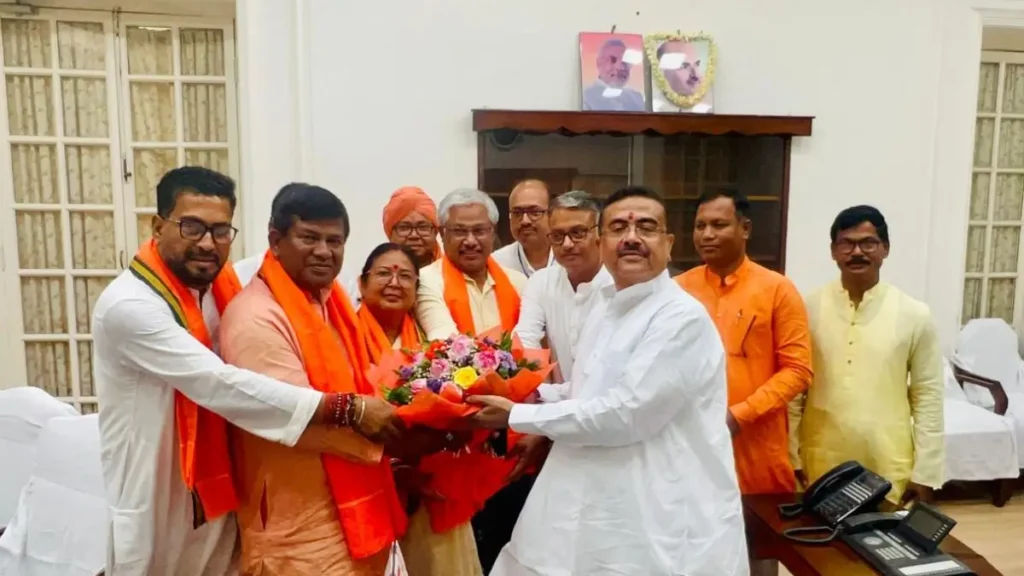
Rathindra Bose has been elected unopposed as the Speaker of the 18th West Bengal Legislative Assembly, marking an important development in the state’s political landscape. The election took place during the opening proceedings of the newly constituted Assembly, with members across the House formally approving his appointment without contest.
The unanimous selection reflects a smooth beginning for the functioning of the new legislative assembly and highlights the importance of the Speaker’s role in maintaining parliamentary discipline, neutrality, and democratic procedures within the House.
Political leaders from different parties extended congratulations following the announcement, while observers noted that the unopposed election could contribute to a more stable and orderly legislative environment during the Assembly’s new term.
Who Is Rathindra Bose?
Rathindra Bose is a senior political leader known for his experience in legislative affairs and party organization within West Bengal politics. Over the years, he has built a reputation for administrative understanding, parliamentary participation, and political coordination.
His elevation to the post of Speaker is being viewed as a significant responsibility because the Speaker serves as the constitutional authority responsible for managing legislative proceedings and ensuring democratic functioning inside the Assembly.
The position requires neutrality, procedural expertise, and the ability to maintain order during debates and discussions.
Importance of the Speaker’s Role
The Speaker of a legislative assembly plays a central role in parliamentary democracy.
The Speaker is responsible for:
- Conducting Assembly proceedings
- Maintaining discipline in the House
- Deciding speaking opportunities
- Managing legislative debates
- Interpreting procedural rules
- Ensuring smooth functioning of the Assembly
- Protecting parliamentary traditions
Once elected, the Speaker is expected to function impartially, regardless of political affiliation.
The office of the Speaker is considered one of the most important constitutional positions within state legislatures.
What Does “Elected Unopposed” Mean?
Being elected unopposed means no other candidate contested against Rathindra Bose for the Speaker’s position.
In legislative assemblies, if only one valid nomination is filed and supported, the candidate is declared elected without requiring a formal vote.
Unopposed elections often indicate:
- Broad political consensus
- Strong majority support
- Agreement among parties
- Smooth legislative coordination
Such outcomes are generally viewed as positive signs for initial Assembly functioning.
Formation of the 18th West Bengal Assembly
The 18th West Bengal Assembly has begun its new legislative term following the latest state elections. The formation of the Assembly marks the beginning of another important phase in West Bengal’s governance and political administration.
The Assembly is expected to address several key issues including:
- Economic development
- Employment generation
- Infrastructure growth
- Education reforms
- Healthcare improvements
- Industrial investment
- Rural development
The Speaker’s role will be crucial in facilitating discussions and legislative business related to these policy areas.
Political Reactions to the Election
Leaders from the ruling party and opposition parties extended congratulations after Rathindra Bose’s unopposed election as Speaker.
Political observers noted that consensus around the Speaker’s appointment could help reduce initial procedural conflicts and encourage smoother House proceedings.
Senior legislators emphasized the importance of maintaining parliamentary dignity and democratic debate within the Assembly.
Several political leaders also highlighted the expectation that the Speaker will uphold neutrality and fairness while managing legislative discussions.
Importance of Parliamentary Neutrality
One of the most important principles associated with the Speaker’s office is neutrality.
Although Speakers are usually elected from ruling parties, they are expected to function impartially after assuming office.
The Speaker must ensure:
- Equal treatment of members
- Fair debate opportunities
- Proper legislative procedures
- Balanced disciplinary decisions
Neutrality helps maintain public confidence in democratic institutions and legislative functioning.
Legislative Challenges Ahead
The new West Bengal Assembly is likely to witness intense discussions on several political, economic, and social issues in the coming years.
Major areas expected to dominate legislative debates include:
Economic Growth
The state government is expected to focus on attracting investments, industrial development, and employment generation.
Infrastructure Expansion
Urban development, transportation projects, and rural infrastructure may become key policy priorities.
Education and Healthcare
Public service delivery, educational reforms, and healthcare improvements are likely to remain major discussion areas.
Political Debates
Like most legislative assemblies, the House may witness strong debates between ruling and opposition members on governance and policy matters.
The Speaker’s role in maintaining order during such discussions will remain critical.
West Bengal’s Political Importance
West Bengal remains one of India’s most politically significant states due to its large population, economic influence, and historical political legacy.
The state has traditionally played an important role in national politics and ideological movements.
Legislative developments in West Bengal often receive national attention because of the state’s active political culture and competitive electoral environment.
The smooth functioning of the Assembly is therefore important not only for state governance but also for broader democratic processes.
Constitutional Importance of State Assemblies
State legislative assemblies are essential pillars of India’s federal democratic system.
Assemblies are responsible for:
- Passing state laws
- Debating government policies
- Approving budgets
- Holding governments accountable
- Representing public concerns
The Speaker’s office helps ensure that these constitutional responsibilities are carried out effectively and democratically.
Parliamentary Traditions in India
India’s parliamentary system is based on democratic debate, procedural rules, and legislative accountability.
The role of Speakers in maintaining these traditions has historically been considered highly important.
Effective Speakers often contribute to:
- Productive legislative sessions
- Reduced disruptions
- Better policy discussions
- Stronger institutional credibility
As political competition intensifies across states, the impartial functioning of legislative institutions becomes increasingly important.
Expectations from the New Speaker
Political analysts and Assembly members expect Rathindra Bose to focus on:
- Smooth House functioning
- Efficient session management
- Encouraging constructive debate
- Ensuring procedural discipline
- Strengthening legislative standards
The Speaker may also play a role in modernizing Assembly procedures through greater technology integration and administrative efficiency.
Technology and Modern Legislative Management
Legislative assemblies across India are increasingly adopting digital systems for:
- E-governance
- Digital documentation
- Online legislative records
- Paperless Assembly operations
- Live proceedings access
Modernization efforts help improve transparency, efficiency, and public accessibility to legislative processes.
The new Assembly leadership may continue strengthening such initiatives in West Bengal.
Democratic Significance of Consensus Elections
Unopposed elections for constitutional positions are often viewed as positive examples of democratic cooperation.
Although political competition remains central to democracy, consensus in institutional appointments can sometimes help create a more stable legislative environment.
Such cooperation may encourage smoother coordination during the initial functioning of the Assembly.
However, opposition parties are also expected to continue playing an active role in legislative oversight and policy criticism.
Conclusion
Rathindra Bose’s unopposed election as Speaker of the 18th West Bengal Assembly marks an important beginning for the state’s new legislative term.
As Speaker, he will hold a crucial constitutional responsibility in ensuring fair, disciplined, and effective Assembly proceedings. The role demands neutrality, procedural expertise, and strong parliamentary leadership.
With major governance and development issues expected to dominate future sessions, the functioning of the Assembly under the new Speaker will play a key role in shaping West Bengal’s political and administrative direction in the years ahead.