

In a major boost to India’s rapidly evolving digital payments ecosystem, Razorpay POS has received regulatory approval from the Reserve Bank of India (RBI) to operate as an offline payment aggregator. The approval marks a significant milestone for Razorpay and signals a broader shift toward inclusive, resilient, and merchant-friendly payment infrastructure in India.
With this move, Razorpay POS is now authorised to facilitate offline digital payments, enabling merchants to accept transactions even in areas with poor or no internet connectivity. The development is expected to have far-reaching implications for small businesses, retail digitisation, and financial inclusion across the country.
What Does RBI Approval Mean?
The RBI is India’s top financial regulator and oversees payment systems to ensure:
- Consumer protection
- Data security
- Systemic stability
- Compliance with financial laws
Approval as an offline payment aggregator means that Razorpay POS has met RBI’s stringent requirements related to:
- Technology infrastructure
- Data protection and storage
- Risk management
- Settlement processes
- Merchant onboarding and compliance
This authorisation allows Razorpay POS to legally offer offline digital payment solutions to merchants across India.
Understanding Offline Payment Aggregation
What Are Offline Payments?
Offline payments allow transactions to be processed without real-time internet connectivity. Instead of instant online authorisation, payments are:
- Stored securely on the device
- Verified later when connectivity is restored
- Settled after reconciliation
This model is particularly useful in:
- Rural and semi-urban areas
- Markets with unreliable network coverage
- High-footfall retail environments
What Is an Offline Payment Aggregator?
An offline payment aggregator:
- Enables merchants to accept digital payments offline
- Collects and reconciles transactions securely
- Ensures settlement once connectivity returns
- Complies with RBI’s regulatory framework
By granting this approval, the RBI has recognised Razorpay POS as capable of handling these responsibilities safely and efficiently.
Why This Approval Is Important for India
India has made massive progress in digital payments, but challenges remain.
Connectivity Gaps
Despite high smartphone and UPI penetration, many parts of India still face:
- Patchy mobile networks
- Frequent internet disruptions
- Low bandwidth in rural areas
Offline payment solutions directly address this gap.
Boosting Merchant Adoption
Small and medium merchants often hesitate to adopt digital payments due to:
- Transaction failures
- Dependency on internet availability
- Fear of lost sales during outages
Offline POS solutions reduce these concerns and encourage wider adoption.
Razorpay POS: Expanding Beyond Online Payments
Razorpay is already a major player in India’s fintech ecosystem, offering:
- Online payment gateways
- Business banking solutions
- Subscription and invoicing tools
With RBI approval for offline payment aggregation, Razorpay POS now strengthens its omnichannel payments strategy, combining:
- Online payments
- In-store digital payments
- Offline transaction capability
This makes Razorpay a more comprehensive solution for merchants operating across multiple touchpoints.
How Razorpay POS Offline Payments Work
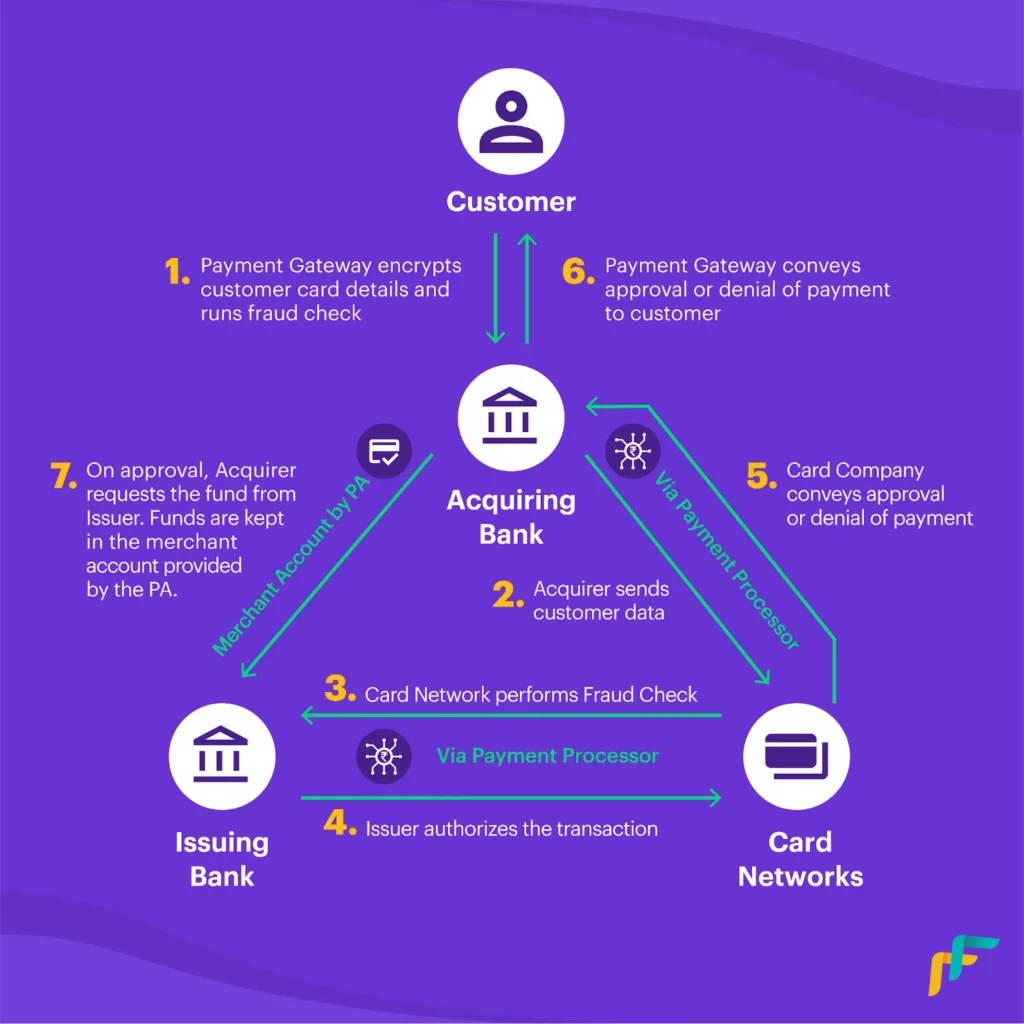
While exact technical details may vary, the general workflow includes:
- Customer initiates a payment at the POS terminal
- Transaction is authenticated securely on-device
- Payment data is encrypted and stored locally
- Once internet connectivity is restored, data is synced
- Transactions are validated and settled
This ensures continuity of business even during network outages.
Benefits for Merchants
Zero Downtime Sales
Merchants can continue accepting payments even if:
- Internet goes down
- Network speed drops
- Servers face temporary issues
This prevents loss of revenue during peak hours.
Improved Customer Experience
Customers benefit from:
- Faster checkout
- Fewer failed transactions
- Consistent payment acceptance
This builds trust in digital payment systems.
Wider Market Reach
Offline payment capability enables merchants to:
- Operate in remote or rural areas
- Serve customers in markets, fairs, and temporary setups
- Expand business beyond urban centers
Benefits for Consumers
Consumers gain:
- Convenience of digital payments anywhere
- Reduced dependence on cash
- Confidence that payments will work even without internet
This supports India’s broader move toward a cash-light economy.
Alignment With RBI’s Vision
The RBI has consistently promoted:
- Digital payment innovation
- Financial inclusion
- Resilient payment systems
Offline payments are a key part of this vision, especially to ensure that:
- Digital payments are not limited to urban areas
- Technology works in real-world conditions
- Payment systems remain functional during disruptions
By approving Razorpay POS, the RBI reinforces its commitment to practical, inclusive digitisation.
Impact on Small Businesses and MSMEs
Micro, Small, and Medium Enterprises (MSMEs) form the backbone of India’s economy.
Offline POS solutions can:
- Reduce cash handling risks
- Improve accounting and transparency
- Enable access to formal credit through digital transaction history
- Increase participation in the formal economy
This approval could significantly accelerate MSME digitisation.
Competitive Impact on the Fintech Ecosystem
Razorpay’s RBI approval sets a new benchmark.
It is likely to:
- Increase competition in offline payments
- Push other fintech firms to seek similar approvals
- Encourage innovation in POS technology
This competition ultimately benefits merchants and consumers.
Data Security and Consumer Protection
Offline payments raise concerns about:
- Data storage
- Fraud risks
- Transaction integrity
RBI approval indicates that Razorpay POS has:
- Robust encryption mechanisms
- Secure storage protocols
- Strong reconciliation systems
- Clear dispute resolution processes
These safeguards are essential for maintaining trust in offline digital payments.
Role in India’s Cash-Light Economy
India has seen explosive growth in digital payments, but cash is still widely used.
Offline payment aggregation:
- Bridges the gap between cash and digital
- Makes digital payments more reliable
- Reduces dependence on physical currency
This supports long-term goals of efficiency, transparency, and economic formalisation.
Use Cases Across Sectors
Razorpay POS offline payments can benefit:
- Kirana stores
- Restaurants and cafés
- Transport services
- Petrol pumps
- Healthcare facilities
- Rural markets and mandis
Anywhere internet reliability is uncertain, offline POS can be transformative.
Challenges Ahead
Despite the benefits, challenges remain:
- Educating merchants about offline workflows
- Managing delayed settlements
- Handling disputes and chargebacks
- Ensuring consumer awareness
Addressing these will require training, clear communication, and strong customer support.
Long-Term Strategic Significance
For Razorpay, this approval:
- Strengthens regulatory credibility
- Expands market reach
- Enhances product differentiation
For India, it represents:
- A more resilient payments ecosystem
- Progress toward true financial inclusion
- Practical innovation aligned with ground realities
What This Means for the Future of Payments
The approval signals that the future of payments in India will be:
- Hybrid (online + offline)
- Merchant-centric
- Resilient to infrastructure challenges
- Regulated but innovation-friendly
Offline payments are no longer an experiment—they are becoming mainstream.
Conclusion
The RBI approval for Razorpay POS to operate as an offline payment aggregator is a landmark moment for India’s digital payments journey. It reflects regulatory trust, technological maturity, and a clear focus on real-world usability.
By enabling offline digital payments, Razorpay POS addresses one of the biggest barriers to universal payment adoption—connectivity. For merchants, it means uninterrupted business. For consumers, it means convenience and reliability. For India, it means a stronger, more inclusive digital economy.
As digital payments evolve beyond cities and into every corner of the country, innovations like offline POS aggregation will play a decisive role in shaping the next phase of India’s fintech revolution.