
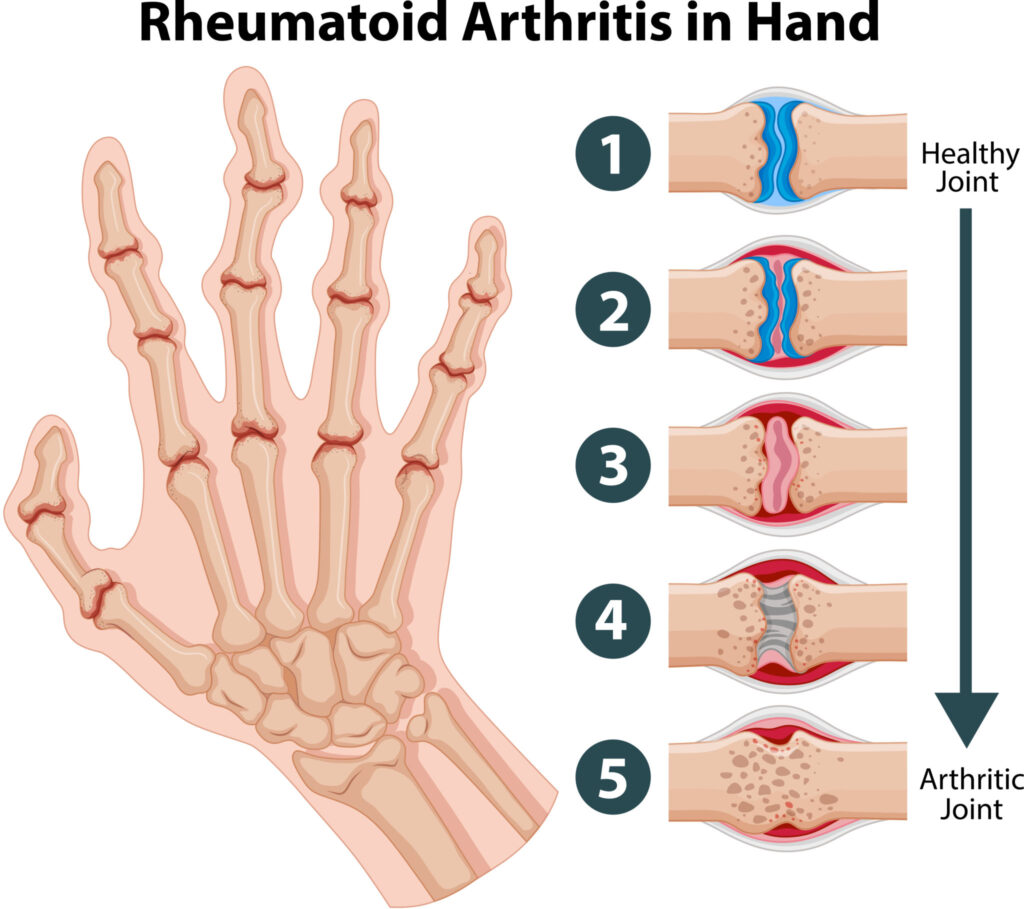
Rheumatoid Arthritis Awareness Day 2026, observed globally on February 2, shines a spotlight on one of the most misunderstood yet life-altering autoimmune diseases affecting millions worldwide. Often mistaken for simple “joint pain” or age-related arthritis, rheumatoid arthritis (RA) is far more serious—it is a chronic inflammatory disorder that can damage joints, organs, and overall quality of life if not treated early.
As healthcare systems and advocacy groups push for earlier diagnosis and better treatment, awareness days like this are critical. They remind us that rheumatoid arthritis is not just a medical condition—it is a daily struggle for mobility, independence, and mental well-being for millions of patients.
In 2026, with rising lifestyle stress, sedentary habits, and increasing autoimmune disorders, Rheumatoid Arthritis Awareness Day deserves greater public attention than ever before.
What Is Rheumatoid Arthritis?
Rheumatoid arthritis is an autoimmune disease in which the body’s immune system mistakenly attacks healthy tissues—primarily the lining of the joints.
This leads to:
- Chronic inflammation
- Swelling and stiffness
- Pain and reduced mobility
- Progressive joint damage
Unlike osteoarthritis, which results from wear and tear, rheumatoid arthritis is driven by immune dysfunction, making it more complex and potentially more aggressive.
Why February 2 Is Observed
February 2 is marked annually to:
- Raise awareness about early symptoms
- Promote timely diagnosis
- Reduce stigma around invisible illnesses
- Encourage better access to treatment
Global health advocates, medical professionals, and organizations such as the World Health Organization emphasize awareness and early care to prevent long-term disability.
Why Rheumatoid Arthritis Needs Urgent Attention in 2026
1. It Affects People at Any Age
A common misconception is that arthritis only affects older adults. In reality, rheumatoid arthritis:
- Can begin in the 20s or 30s
- Sometimes affects children
- Is common among working-age adults
This means it directly impacts careers, productivity, and family life.
2. It Is Often Misdiagnosed
Many people ignore early symptoms or confuse them with fatigue or muscle strain. This leads to delayed diagnosis.
Early symptoms include:
- Morning stiffness lasting over 30 minutes
- Swollen joints
- Symmetrical joint pain (both hands or both knees)
- Persistent fatigue
- Low-grade fever
Without awareness, treatment often starts too late.
3. It Is Not Just About Joints
Rheumatoid arthritis is systemic, meaning it can affect:
- Heart
- Lungs
- Eyes
- Blood vessels
- Skin
This increases the risk of:
- Cardiovascular diseases
- Lung complications
- Chronic inflammation-related issues
Thus, RA is a whole-body condition—not merely joint pain.
Understanding the Scale of the Problem
Globally, millions live with rheumatoid arthritis, and the numbers continue to grow due to:
- Longer life expectancy
- Better diagnosis
- Lifestyle and environmental factors
In many countries, especially developing regions, lack of awareness and healthcare access leads to:
- Permanent disability
- Loss of income
- Emotional distress
This makes public education a priority.
Early Diagnosis: The Game Changer
Why Early Detection Matters
Studies show that treatment within the first year of symptoms can:
- Slow disease progression
- Prevent joint damage
- Improve quality of life
- Reduce disability
This period is often called the “window of opportunity”.
Yet many patients reach specialists years after symptoms begin.
Modern Treatment Options
Thankfully, advances in medicine have transformed RA management.
Available Treatments Include:
- Anti-inflammatory drugs
- Disease-modifying medications
- Biologic therapies
- Targeted immune treatments
- Physical therapy
With proper care, many patients can lead active, normal lives.
Lifestyle Changes That Help
Medication alone is not enough. Lifestyle adjustments play a major role.
Recommended Habits
- Regular low-impact exercise
- Healthy diet rich in anti-inflammatory foods
- Weight management
- Stress reduction
- Adequate sleep
These practices reduce flare-ups and improve mobility.
Mental Health and Rheumatoid Arthritis
The Invisible Burden
Living with chronic pain often leads to:
- Anxiety
- Depression
- Social isolation
- Loss of confidence
Awareness days emphasize not only physical care but also mental health support.
Patients need:
- Counseling
- Community support
- Understanding workplaces
Compassion is as important as medication.
Impact on Daily Life
Rheumatoid arthritis affects everyday activities such as:
- Opening jars
- Climbing stairs
- Typing or writing
- Cooking
- Walking long distances
Simple tasks become exhausting.
Understanding this helps families and employers provide better support.
Importance of Workplace Awareness

Since RA often affects people in their productive years, workplaces should:
- Offer flexible schedules
- Allow remote work options
- Provide ergonomic support
- Encourage medical leave without stigma
Supportive work environments help patients remain independent and productive.
Role of Awareness Campaigns
Rheumatoid Arthritis Awareness Day promotes:
- Free health camps
- Early screening drives
- Educational webinars
- Social media campaigns
- Community outreach
These initiatives help reduce misinformation and empower patients.
Breaking Common Myths
Myth 1: Arthritis only affects the elderly
Reality: RA affects young adults too.
Myth 2: It’s just joint pain
Reality: It’s a systemic autoimmune disease.
Myth 3: Nothing can be done
Reality: Early treatment can control symptoms effectively.
Dispelling these myths is a key goal of awareness efforts.
Family and Community Support
Patients often rely on:
- Family assistance
- Emotional support
- Community empathy
Simple gestures—like understanding fatigue or helping with chores—make a big difference.
Awareness builds a more compassionate society.
How You Can Participate in 2026
You can observe Rheumatoid Arthritis Awareness Day by:
- Learning about symptoms
- Sharing information online
- Encouraging loved ones to seek early care
- Supporting patient groups
- Participating in awareness events
- Wearing blue (the awareness color in many campaigns)
Small steps can create significant impact.
The Future of Rheumatoid Arthritis Care
Research is advancing rapidly in:
- Precision medicine
- Genetic studies
- AI-based diagnosis
- Better biologic therapies
The goal is personalized treatment that improves outcomes and reduces side effects.
With greater awareness, early intervention will become the norm rather than the exception.
Why Awareness Truly Matters
Awareness is powerful because it:
- Promotes early diagnosis
- Reduces disability
- Encourages empathy
- Improves healthcare access
- Saves lives
Ignoring rheumatoid arthritis allows silent suffering. Understanding it leads to action.
Conclusion
Rheumatoid Arthritis Awareness Day 2026 is more than a calendar event—it is a call to action. It reminds us that millions silently battle pain, stiffness, and fatigue every day, often without recognition or support.
By spreading awareness, encouraging early diagnosis, supporting patients, and promoting healthier lifestyles, we can dramatically improve outcomes for those living with this condition.
Rheumatoid arthritis may be chronic, but with knowledge, compassion, and timely care, its impact can be controlled.
Because when we understand the disease better, we don’t just treat joints—we restore lives.