
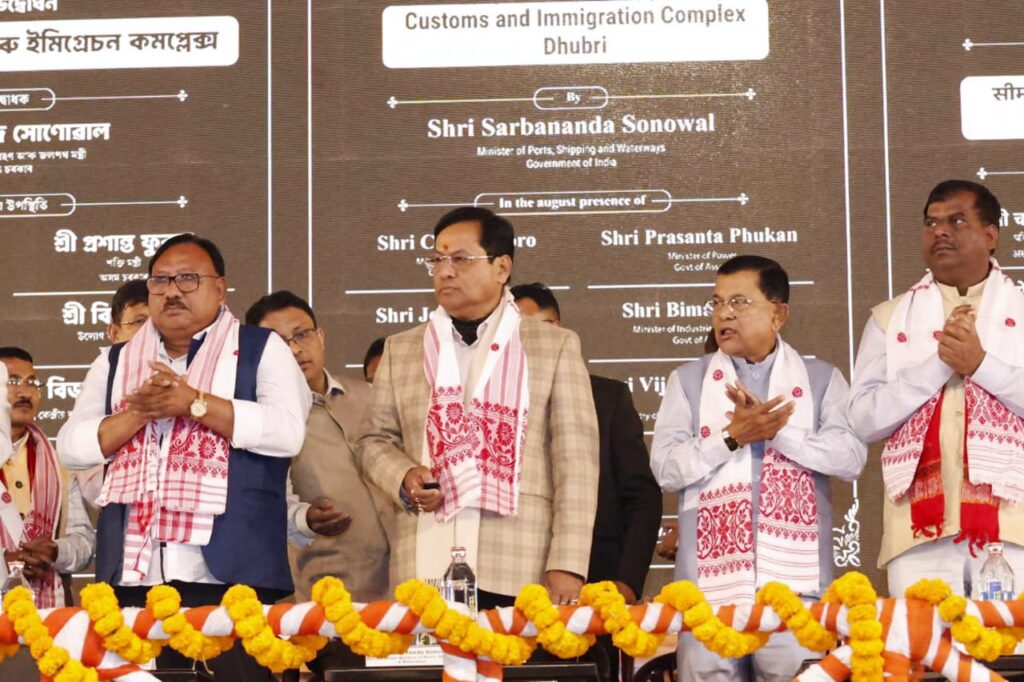
In a landmark development for India’s inland water transport sector, three major inland waterways projects have been inaugurated on the Brahmaputra River in Dibrugarh, Assam. This milestone marks a transformative step toward strengthening connectivity, trade, and economic growth in Northeast India.
The Brahmaputra, designated as National Waterway 2 (NW-2), plays a crucial role in India’s inland waterways network. With the launch of these new infrastructure projects, the region is set to witness improved cargo movement, enhanced passenger transport, and increased integration with national and international trade routes.
Strengthening National Waterway 2 (NW-2)
National Waterway 2 stretches over 891 kilometers along the Brahmaputra River from Dhubri to Sadiya in Assam. It serves as a strategic corridor for transporting goods, agricultural produce, and industrial materials across the northeastern region.
The inauguration of three new projects in Dibrugarh significantly upgrades infrastructure on this waterway. These developments aim to enhance navigation efficiency, ensure year-round operability, and attract private investment in river-based logistics.
With improved terminals and navigation facilities, the Brahmaputra is poised to become a major trade artery connecting India’s Northeast to Bangladesh and Southeast Asian markets.
Overview of the Three Major Inland Waterways Projects
The newly opened projects focus on infrastructure modernization and operational efficiency.
1. Modern River Terminal Infrastructure
A state-of-the-art river terminal has been developed to facilitate cargo handling and passenger services. Equipped with improved berthing facilities, storage areas, and mechanized loading systems, the terminal will enable faster turnaround time for vessels.
The terminal infrastructure also supports multimodal connectivity, integrating road and rail networks for seamless goods transportation.
2. Floating Terminal Facilities
Floating terminals have been introduced to improve accessibility in varying river conditions. These structures are particularly important for the Brahmaputra, where water levels fluctuate significantly between seasons.
Floating terminals ensure consistent operations during monsoon and lean seasons, making river transport more reliable and commercially viable.
3. Navigation and Channel Improvement Systems
To support safe and efficient navigation, advanced channel marking systems and river management technologies have been deployed. Dredging and river training works ensure sufficient depth for cargo vessels.
Modern navigation aids such as GPS-based tracking and river information systems further enhance safety and coordination.
Economic Impact on Assam and Northeast India
The opening of these inland waterways projects is expected to significantly boost economic activity in Assam and neighboring states.
Enhanced Trade and Logistics
Improved river transport reduces logistics costs compared to road and rail transport. Bulk cargo such as coal, tea, fertilizers, food grains, and construction materials can now be transported more efficiently.
Lower transportation costs make local industries more competitive and encourage investment in manufacturing and agriculture.
Boost to Tea and Agricultural Exports
Dibrugarh is known as a key center of Assam’s tea industry. Enhanced waterway connectivity offers tea exporters a cost-effective route to domestic ports and international markets.
Farmers and small businesses can benefit from easier market access and reduced transportation barriers.
Employment Generation
Infrastructure development and increased trade activity create employment opportunities in logistics, shipping, maintenance, and related sectors. River-based tourism and ferry services also generate local jobs.
Strategic Importance of Brahmaputra Waterway
The Brahmaputra River holds strategic value beyond regional trade.
Gateway to International Connectivity
Through protocol routes with Bangladesh, National Waterway 2 connects to the Bay of Bengal and global maritime trade networks. This enhances India’s Act East Policy by strengthening economic ties with Southeast Asia.
Improved waterway infrastructure supports cross-border cargo movement and regional economic integration.
Sustainable Transport Solution
Inland water transport is environmentally friendly compared to road and rail. It produces lower carbon emissions and reduces congestion on highways.
By promoting river transport, India advances its goals of sustainable development and green logistics.
Government’s Vision for Inland Waterways Development
The inauguration of the Dibrugarh projects aligns with the broader national initiative to revitalize India’s inland waterways under programs such as the Sagarmala Programme and the Inland Waterways Authority of India (IWAI) initiatives.
The government has prioritized:
- Infrastructure modernization
- Public-private partnerships
- Digital navigation systems
- Multimodal logistics integration
- Investment in river ports and terminals
The development of National Waterway 2 reflects a long-term commitment to unlocking the economic potential of India’s river systems.
Challenges in Inland Water Transport
While the new projects represent significant progress, certain challenges remain:
- Seasonal water depth variations
- Sedimentation and dredging requirements
- Climate-related river behavior changes
- Need for skilled manpower and vessel modernization
Continuous investment and technological innovation will be essential to address these issues and ensure sustainable operations.
Boost to Tourism and Passenger Transport
Beyond cargo movement, improved infrastructure enhances passenger ferry services and river tourism.
The Brahmaputra’s scenic beauty makes it ideal for cruise tourism and eco-tourism initiatives. With better terminals and facilities, Dibrugarh can emerge as a river tourism hub in Northeast India.
Passenger connectivity also improves mobility for residents in riverine communities, reducing travel time and improving access to essential services.
Multimodal Logistics Integration
One of the most significant advantages of the new projects is integration with road and rail networks.
Multimodal transport systems reduce bottlenecks and create seamless supply chains. Goods transported via waterways can easily transfer to trucks or trains for final delivery.
This integration strengthens India’s logistics efficiency and enhances the Northeast’s connectivity with mainland markets.
Environmental and Social Benefits
Inland waterways provide multiple social and environmental advantages:
- Reduced fuel consumption
- Lower greenhouse gas emissions
- Reduced road congestion
- Safer bulk transport
- Enhanced regional development
Communities along the Brahmaputra stand to benefit from improved trade opportunities and infrastructure access.
A Transformative Step for Northeast India
The opening of three major inland waterways projects in Dibrugarh marks a turning point for Assam’s economic development.
For decades, the Northeast faced connectivity challenges due to geographical and infrastructural constraints. The modernization of river transport systems offers a sustainable and efficient solution to bridge these gaps.
Improved inland waterways can transform the region into a logistics and trade hub, supporting industrial growth and regional prosperity.
Conclusion
The inauguration of three major inland waterways projects on the Brahmaputra in Dibrugarh represents a significant advancement in India’s transport infrastructure.
By strengthening National Waterway 2, enhancing terminal facilities, and improving navigation systems, the initiative boosts trade, promotes sustainable transport, and accelerates economic growth in Northeast India.
As India continues to invest in inland water transport, the Brahmaputra is set to play a pivotal role in shaping the region’s future. These projects not only improve connectivity but also unlock new opportunities for industries, businesses, and communities across Assam and beyond.
The Brahmaputra’s journey as a lifeline of commerce and connectivity has entered a promising new chapter.