

In a landmark development that could reshape global energy dynamics, Türkiye and the United States have signed a historic nuclear cooperation agreement, opening doors for peaceful nuclear energy collaboration, technology transfer, and strategic partnerships in energy security. This deal is being seen as a pivotal moment not just for Türkiye’s energy ambitions but also for the geopolitics of the nuclear energy market.
🌍 The Agreement: A New Chapter in Nuclear Diplomacy
The deal, signed in Ankara in late August 2025, outlines joint cooperation in:
- Civilian Nuclear Energy Development – Building new reactors to diversify Türkiye’s energy mix.
- Technology Transfer – Providing Türkiye access to advanced US nuclear technologies.
- Training and Safety Standards – Developing human capital through education and nuclear safety protocols.
- Research & Innovation – Exploring next-gen nuclear solutions, including Small Modular Reactors (SMRs).
Both sides emphasized that the cooperation is exclusively for peaceful, civilian purposes under the International Atomic Energy Agency (IAEA) safeguards.
⚡ Why Türkiye Is Betting on Nuclear Power
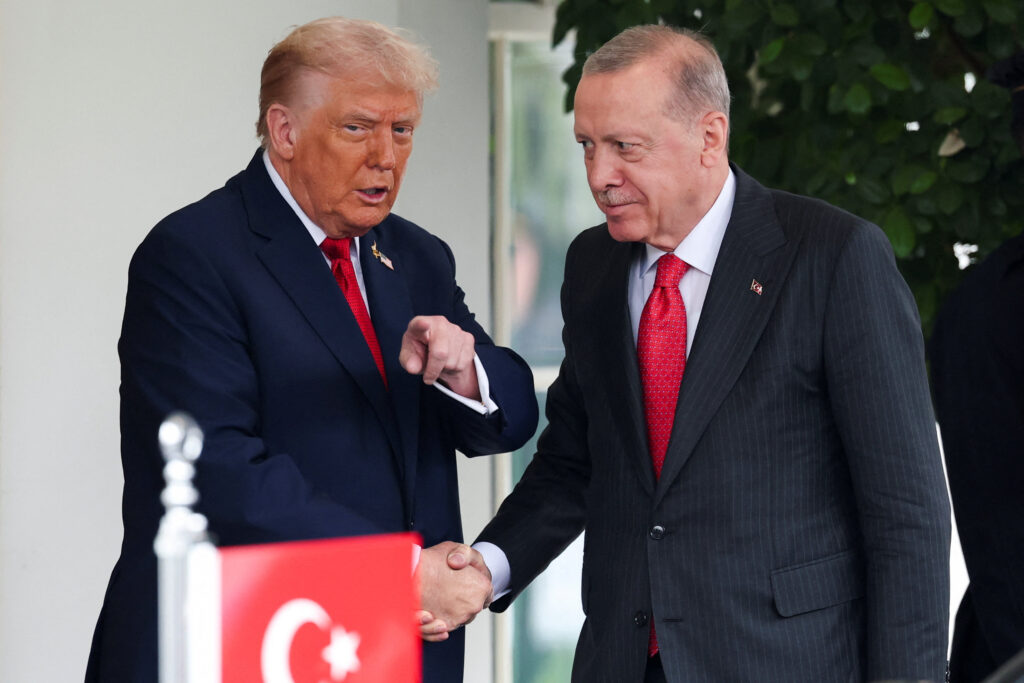
Türkiye currently relies heavily on imported natural gas, oil, and coal for its electricity needs. Nuclear energy is a key part of its plan to achieve energy independence and decarbonize its economy by 2053.
- Akkuyu Nuclear Power Plant, built in partnership with Russia’s Rosatom, is Türkiye’s first nuclear project and is nearing completion.
- The new US partnership gives Türkiye diversification of suppliers and reduces dependency on a single nation for nuclear technology.
- Nuclear power is expected to meet 15–20% of Türkiye’s electricity demand by 2035, providing a stable, low-carbon energy source.
🇺🇸 What the Deal Means for the US
For the United States, this agreement is part of a broader strategy to:
- Strengthen its geopolitical influence in Eurasia by supporting allies’ energy independence.
- Compete with Russia and China, who have been aggressively exporting nuclear technology worldwide.
- Promote clean energy solutions as part of global climate commitments.
- Open new markets for American nuclear companies and advanced SMR developers.
This also comes at a time when Washington is pushing for a revival of the US nuclear industry, which has seen declining domestic investment but is now experiencing renewed interest thanks to climate goals and AI-driven energy demands.
🔑 Key Highlights of the Türkiye–US Nuclear Deal
| Aspect | Details |
|---|---|
| Focus | Civilian nuclear energy, technology transfer, SMRs |
| Signed In | Ankara, August 2025 |
| Compliance | IAEA Safeguards, Non-Proliferation Treaty |
| Goal | Energy security, clean energy transition |
| Geopolitical Impact | Reduces Türkiye’s dependency on Russian energy projects |
🏛️ Geopolitical Implications: A Power Shift in Eurasia
This deal is more than just an energy agreement — it’s a strategic geopolitical move.
- Balancing Russia: Türkiye has been a key partner of Russia in the Akkuyu nuclear project, but this deal shows Ankara’s interest in balancing its energy partners.
- US-Türkiye Relations: Strengthens bilateral ties amid tensions over defense, NATO cooperation, and trade disputes.
- Influence in Middle East & Black Sea: A stronger Türkiye with energy independence can play a more assertive role in regional diplomacy.
Experts suggest this could accelerate a shift in global nuclear alliances, with more countries exploring multiple partnerships instead of relying on one supplier.
🧠 Technology Spotlight: Small Modular Reactors (SMRs)
One of the most exciting aspects of the deal is Türkiye’s interest in SMR technology.
- SMRs are safer, more cost-efficient, and faster to build than traditional reactors.
- They are ideal for countries like Türkiye, where demand for electricity is growing but needs to stay diversified.
- The US is at the forefront of SMR innovation, giving Türkiye early access to cutting-edge solutions.
📊 Türkiye’s Energy Roadmap 2030–2050
| Year | Target |
|---|---|
| 2030 | Commission first wave of SMRs |
| 2035 | Nuclear power meets 15–20% of demand |
| 2040 | Phase out coal for electricity generation |
| 2053 | Achieve net-zero carbon emissions |
This deal fits squarely into Türkiye’s long-term energy and climate strategy.
🌱 Sustainability and Global Climate Goals
The Türkiye–US partnership supports global climate action, aligning with:
- Paris Agreement Goals – Reducing greenhouse gas emissions.
- EU Green Energy Standards – Türkiye seeks closer energy alignment with Europe.
- UN Sustainable Development Goals (SDGs) – Especially SDG 7 (Affordable and Clean Energy).
Nuclear energy, while debated, is recognized as a low-carbon, reliable energy source, crucial for replacing coal and supporting renewable integration.
💬 Expert Opinions
Energy analyst Dr. Selin Karadeniz says,
“This deal gives Türkiye leverage and flexibility. It shows that nuclear energy is becoming a multipolar field, with multiple suppliers competing to provide safe, clean, and affordable power.”
US energy policy expert Mark Reynolds notes,
“It’s a win-win. Türkiye reduces dependency, the US strengthens its footprint in Eurasia, and the world gets another step closer to decarbonization.”
📰 Global Reactions
- European Union: Welcomed the deal as a step toward regional energy stability.
- Russia: Cautiously noted that it does not see this as a competitor to Akkuyu but will monitor developments.
- China: Observers say Beijing may accelerate its own nuclear cooperation projects with Middle Eastern partners.
🎯 Conclusion: A New Era for Türkiye’s Energy Future
The Türkiye–US Nuclear Deal is more than an agreement — it is a statement. Türkiye is signaling its intent to be a major energy hub and not rely on a single nation for critical infrastructure. For the US, it is a chance to reassert leadership in nuclear diplomacy and clean energy transition.
As the world grapples with rising energy demands and climate change, such partnerships are crucial in shaping a secure, sustainable, and balanced global energy landscape.