
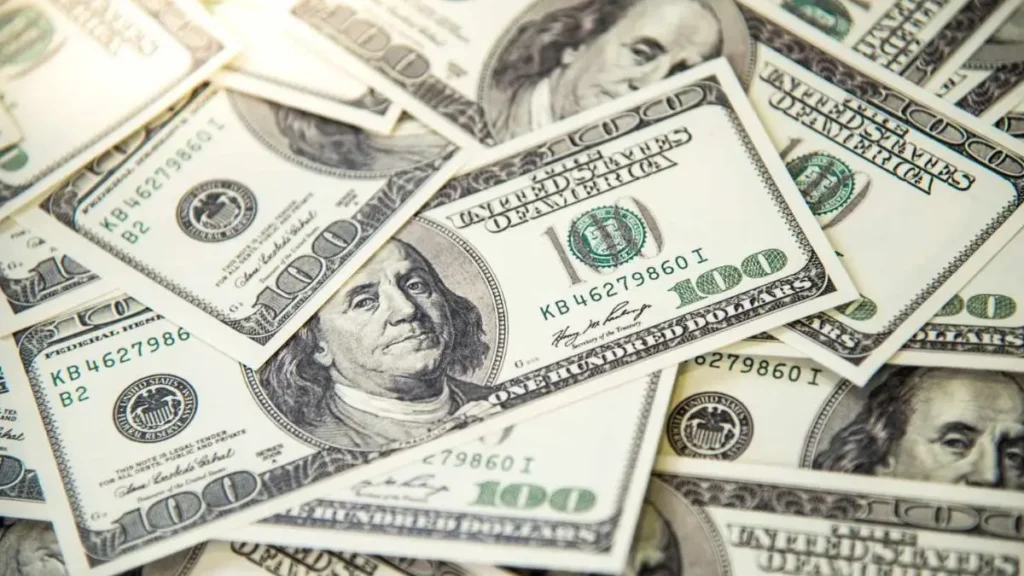
In a development that has sparked global attention, the United States dollar is set to feature the signature of Donald Trump for the first time in over 165 years. This change marks a notable moment in the history of American currency and reflects the longstanding tradition of including key government officials’ signatures on U.S. banknotes.
The inclusion of a new signature on currency may seem like a minor detail, but it carries historical, political, and symbolic significance. It represents continuity in governance and highlights the evolving nature of the U.S. financial system.
Why Signatures Appear on US Currency
Every U.S. banknote features two important signatures:
- The Secretary of the Treasury
- The Treasurer of the United States
These signatures serve as an official validation of the currency and symbolize the authority of the U.S. government in issuing legal tender.
Over the years, whenever a new Secretary of the Treasury is appointed, their signature replaces the previous one on newly printed currency notes. This ensures that U.S. currency reflects current leadership while maintaining its authenticity.
What Makes This Change Unique?
The announcement that the U.S. dollar will feature Donald Trump’s signature has generated widespread discussion due to its unusual nature.
Traditionally, only the Treasurer and Treasury Secretary’s signatures appear on currency—not the President’s. However, the introduction of Trump’s signature is being viewed as a historic and symbolic shift, making it the first such instance in over a century and a half.
This move is being closely watched by economists, historians, and political analysts, as it represents a break from long-standing convention.
Historical Context of US Currency Signatures
The tradition of including signatures on U.S. currency dates back to the 19th century. Over time, these signatures have evolved alongside changes in government leadership.
Key points about this tradition include:
- Signatures have been part of U.S. banknotes for more than 150 years
- They are updated whenever there is a change in Treasury officials
- They help verify the authenticity of the currency
Despite numerous design changes in U.S. currency over the decades, the placement of signatures has remained consistent.
Role of Donald Trump in This Development
Donald Trump, who served as the 45th President of the United States, remains one of the most influential political figures in recent American history.
The inclusion of his signature on the U.S. dollar is seen as a reflection of his continued impact on the country’s political and economic landscape.
Supporters view this as a historic recognition, while critics have raised questions about breaking traditional norms associated with currency design.
Design and Production of US Currency
The production of U.S. currency is handled by the Bureau of Engraving and Printing (BEP), which is responsible for designing and printing paper money.
Currency design involves several factors:
- Security features to prevent counterfeiting
- Consistent layout and design standards
- Inclusion of official signatures
- Durability and quality of materials
Any changes to currency design, including signatures, undergo a detailed approval process to ensure compliance with federal regulations.
Economic and Political Implications
While the inclusion of a new signature does not directly impact the value of the U.S. dollar, it does carry symbolic importance.
Economic Perspective
From an economic standpoint, the change has minimal impact on:
- Currency value
- Inflation
- Exchange rates
The U.S. dollar’s strength is determined by broader economic factors such as interest rates, GDP growth, and global demand.
Political Perspective
Politically, the move has generated debate. Some see it as a historic milestone, while others question the departure from established traditions.
The discussion highlights how even small changes in currency design can reflect larger political narratives.
Public Reaction and Global Attention
The announcement has attracted significant attention both within the United States and internationally.
Reactions Include:
- Interest from collectors and historians
- Discussions on social media platforms
- Analysis by financial experts
Currency collectors, in particular, are expected to show strong interest in notes featuring the new signature, as such changes often become valuable over time.
Impact on Currency Collectors
Changes in currency design often create opportunities for collectors. Notes featuring new signatures or unique designs can become valuable collectibles.
Why Collectors Are Interested
- Limited availability of new notes
- Historical significance
- Potential increase in value over time
Collectors often seek out rare or unique currency notes, making this development particularly noteworthy in the numismatic community.
Comparing with Global Currency Practices
Different countries follow different practices when it comes to currency design.
Examples
- Some countries feature portraits of political leaders
- Others include cultural symbols or historical figures
- Many include signatures of central bank officials
The U.S. has traditionally maintained a consistent approach, focusing on historical figures and official signatures.
The inclusion of a presidential signature would mark a notable shift compared to global norms.
Future of US Currency Design
The design of currency continues to evolve with advancements in technology and changing societal needs.
Future developments may include:
- Enhanced security features
- Digital currency integration
- Updated designs reflecting modern values
As the financial world becomes increasingly digital, physical currency design may also adapt to new trends and requirements.
Conclusion
The decision to feature Donald Trump’s signature on the U.S. dollar marks a historic and controversial moment in the evolution of American currency. While it does not affect the economic value of the dollar, it carries significant symbolic and political importance.
This development highlights how currency is not just a medium of exchange but also a reflection of a nation’s history, governance, and identity.
As discussions continue around this change, one thing is clear—the U.S. dollar remains one of the most influential currencies in the world, and any modification to its design will always capture global attention.