
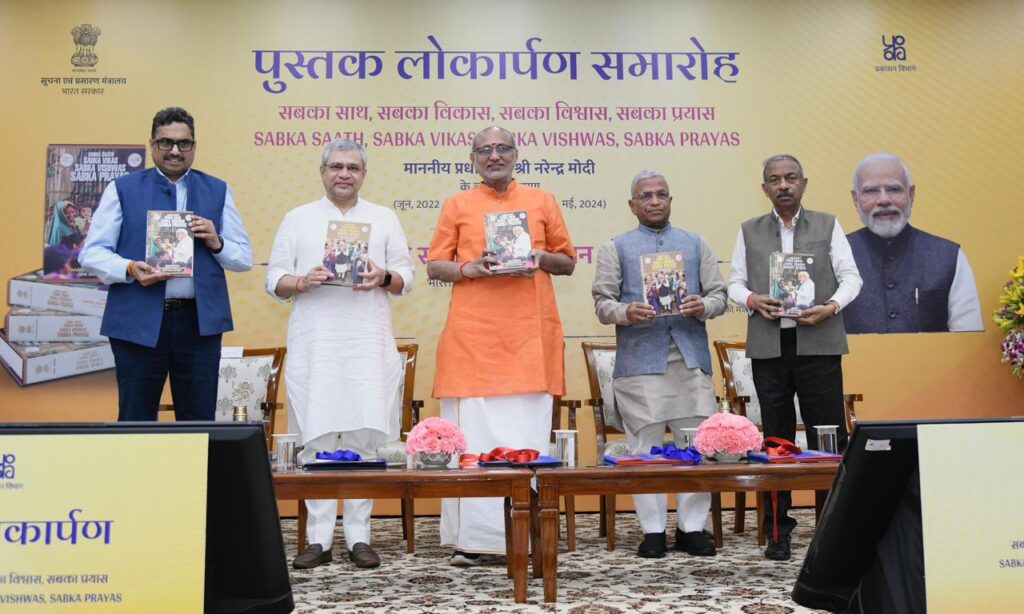
In a significant cultural and intellectual event, C. P. Radhakrishnan, the Vice President of India, formally launched a book chronicling the Ram Janmabhoomi journey, marking an important moment in India’s contemporary historical and cultural discourse. The book traces the long, complex, and emotionally charged journey of the Ram Janmabhoomi movement—an issue that has shaped public debate, political processes, and civilisational conversations in modern India.
The launch event brought together scholars, cultural thinkers, public representatives, and readers, underlining that the Ram Janmabhoomi story is not merely a political episode, but a narrative deeply intertwined with faith, identity, law, and democratic resolution.
A Book That Documents a Defining Journey
The book launched by Vice President C. P. Radhakrishnan offers a comprehensive account of the Ram Janmabhoomi journey, documenting:
- The historical and cultural roots of the site
- The evolution of public sentiment around Ram Janmabhoomi
- The legal and constitutional processes involved
- The role of dialogue, institutions, and democracy
- The culmination of a long-standing national issue
Rather than focusing on a single moment, the book presents the Ram Janmabhoomi movement as a multi-decade journey shaped by history, belief, debate, and lawful resolution.
Vice President C. P. Radhakrishnan’s Role and Message
As Vice President of India, C. P. Radhakrishnan occupies a constitutional office that represents the values of democracy, balance, and institutional continuity. While launching the book, he highlighted the importance of:
- Understanding history in its full context
- Respecting democratic and constitutional processes
- Acknowledging the role of peaceful resolution
- Viewing the Ram Janmabhoomi journey as a civilisational narrative rather than a momentary controversy
His presence at the launch symbolised the institutional recognition of the Ram Janmabhoomi journey as part of India’s broader historical and cultural experience.
Ram Janmabhoomi: More Than a Religious Narrative
The Ram Janmabhoomi journey occupies a unique place in India’s public life. While rooted in faith and belief, it has also involved:
- Archaeology and historical interpretation
- Prolonged legal proceedings
- Public mobilization and debate
- Media, political, and social engagement
The book seeks to move beyond simplified narratives by presenting Ram Janmabhoomi as a complex intersection of religion, law, society, and democracy.
Ayodhya and Its Civilisational Significance
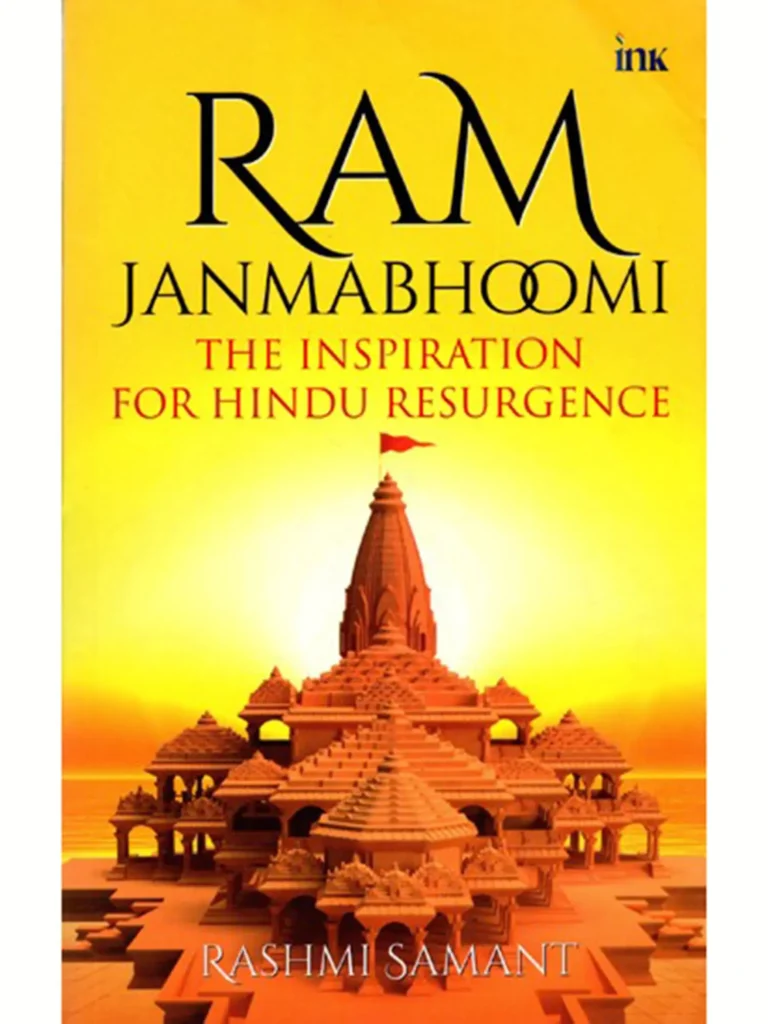
Ayodhya, associated with the life and legacy of Lord Rama, has held cultural and spiritual significance for centuries. The Ram Janmabhoomi site, believed by many to be the birthplace of Lord Rama, has been central to devotional traditions, literature, and oral history.
The book highlights how:
- Ayodhya’s significance predates modern politics
- The Ramayana tradition shaped Indian cultural consciousness
- Ram is seen not only as a deity but as a symbol of dharma, duty, and ethical living
This civilisational lens is crucial to understanding why the issue resonated so deeply across generations.
The Legal and Constitutional Journey
One of the most important aspects covered in the book is the legal resolution of the Ram Janmabhoomi dispute. Over several decades, the matter was examined through:
- Historical records and evidence
- Archaeological findings
- Multiple court proceedings
- Constitutional interpretation
The final resolution through the judicial process is presented as a testament to India’s democratic institutions, where even the most sensitive and emotionally charged issues were ultimately addressed within the framework of law.
Democracy, Dialogue, and Resolution
During the book launch, Vice President C. P. Radhakrishnan underlined that the Ram Janmabhoomi journey demonstrates:
- The endurance of democratic processes
- The importance of patience and dialogue
- The role of institutions in resolving disputes
The book argues that the journey’s conclusion through legal means reinforces faith in India’s constitutional system, even amid deep societal differences.
Cultural Memory and Documentation
Books on major national movements play a vital role in preserving cultural memory. This publication aims to:
- Provide future generations with a documented account
- Offer a structured narrative beyond slogans and headlines
- Encourage informed discussion rather than polarised debate
By placing the Ram Janmabhoomi journey within a broader historical and cultural framework, the book contributes to responsible scholarship.
Why This Book Matters Today
In contemporary India, where history and identity are often debated intensely, the book serves several purposes:
- It contextualises a sensitive issue with nuance
- It encourages reflection rather than reaction
- It promotes understanding of democratic conflict resolution
- It bridges faith, law, and national identity
The Vice President’s involvement adds institutional weight to these objectives.
Audience and Readership
The book is expected to appeal to:
- Students of history and political science
- Scholars of religion and culture
- Readers interested in modern Indian history
- Citizens seeking a deeper understanding of Ram Janmabhoomi beyond media narratives
Its accessible yet documented approach makes it relevant for both academic and general readers.
Ram Janmabhoomi in Indian Public Discourse
The Ram Janmabhoomi journey has shaped:
- Electoral politics
- Public mobilization
- Media narratives
- Judicial discourse
However, the book emphasises that reducing it only to politics overlooks its deeper civilisational and cultural dimensions. By documenting the journey holistically, it seeks to broaden public understanding.
The Role of Institutions in Sensitive Issues
A key theme highlighted during the launch is the role played by:
- The judiciary
- Democratic institutions
- Constitutional values
The book portrays the Ram Janmabhoomi resolution as an example of how democratic societies can address deeply emotional issues without abandoning rule of law.
From Conflict to Closure
Another important aspect explored is the transition:
- From prolonged dispute
- To institutional resolution
- To cultural and spiritual renewal
The book frames this transition as a moment of national introspection rather than triumphalism, encouraging readers to see closure as a starting point for social harmony.
Broader Cultural Implications
Beyond the specific issue, the book raises larger questions:
- How should societies deal with contested histories?
- How can faith and law coexist in plural democracies?
- What role should dialogue play in resolving identity-based conflicts?
These questions make the book relevant beyond its immediate subject.
Vice President’s Emphasis on Responsible Reading of History
At the launch, Vice President C. P. Radhakrishnan stressed the importance of:
- Reading history responsibly
- Avoiding selective interpretations
- Respecting multiple perspectives
This message aligns with the book’s effort to present a documented, balanced account rather than an emotional polemic.
Contribution to Indian Literature and Documentation
The publication adds to a growing body of work that documents:
- India’s post-independence socio-political evolution
- The interaction between tradition and modern governance
- The resilience of democratic institutions
Such documentation is essential for a mature democracy.
Conclusion
The launch of the book on the Ram Janmabhoomi journey by Vice President C. P. Radhakrishnan marks a meaningful moment in India’s cultural and intellectual landscape. By chronicling a journey that spans faith, law, public debate, and constitutional resolution, the book offers readers a chance to engage with one of India’s most significant modern narratives in a thoughtful and informed manner.
More than a record of events, the book stands as a reflection on how a diverse, democratic society navigates its deepest convictions. In doing so, it reinforces the importance of dialogue, documentation, and democratic institutions in shaping India’s collective future.