
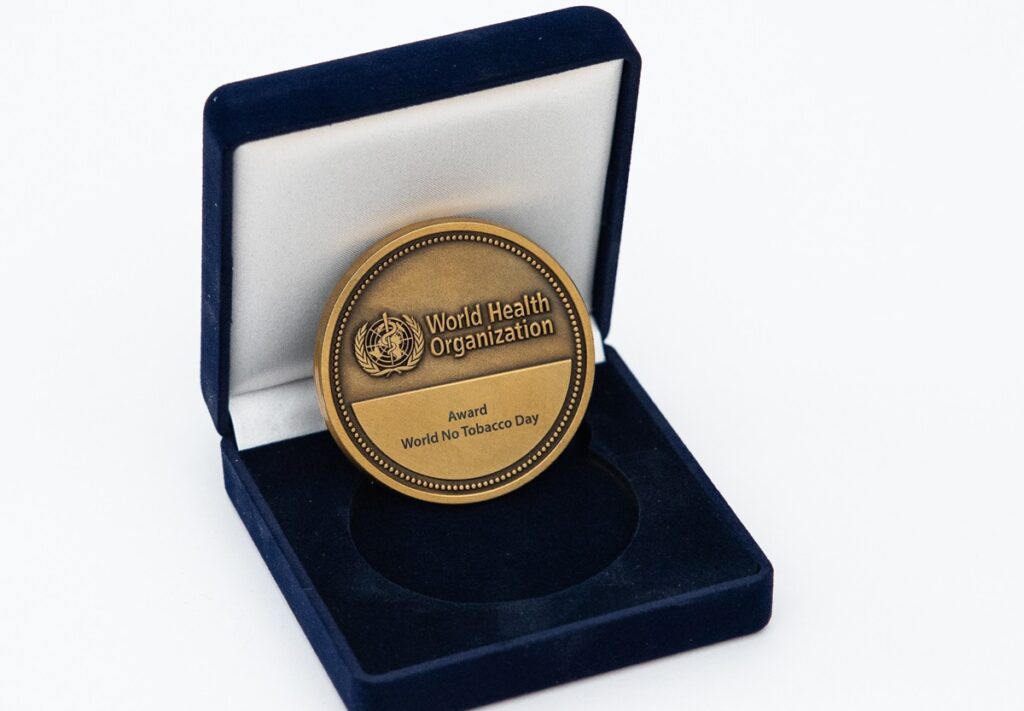
The World Health Organization (WHO) has announced the recipients of the World No Tobacco Day Awards 2026, recognizing individuals, organizations, and governments that have made exceptional contributions to tobacco control and public health protection.
The awards are presented annually as part of the observance of World No Tobacco Day, celebrated every year on May 31. The recognition highlights outstanding efforts to reduce tobacco consumption, strengthen anti-smoking regulations, promote public awareness, and protect communities from the harmful effects of tobacco products.
The awards underline the growing global commitment to combating tobacco-related diseases, which remain one of the leading causes of preventable deaths worldwide.
What Are the World No Tobacco Day Awards?
The World No Tobacco Day Awards are among WHO’s most prestigious public health recognitions.
Each year, the organization honors individuals and institutions that have demonstrated leadership in:
- Tobacco control policies
- Public health advocacy
- Smoking prevention campaigns
- Youth protection initiatives
- Research and education
- Anti-tobacco legislation
Recipients are selected from different WHO regions around the world.
Why Tobacco Control Matters
Tobacco use remains one of the biggest public health challenges globally.
According to WHO estimates, tobacco consumption contributes to millions of deaths every year through diseases such as:
- Lung cancer
- Heart disease
- Stroke
- Chronic respiratory illnesses
- Oral cancer
- Chronic obstructive pulmonary disease (COPD)
Public health experts emphasize that most tobacco-related deaths are preventable through awareness, regulation, and cessation support.
WHO’s Global Tobacco Control Mission
WHO has been at the forefront of international tobacco control efforts for decades.
Key focus areas include:
- Reducing smoking rates
- Preventing youth tobacco use
- Restricting tobacco advertising
- Promoting smoke-free public spaces
- Supporting cessation programs
- Regulating emerging nicotine products
The organization works closely with governments and health agencies to implement evidence-based tobacco control measures.
Significance of the 2026 Awards
The 2026 awards come at a time when many countries are expanding efforts to address both traditional tobacco products and newer nicotine delivery systems.
Award recipients have been recognized for:
Policy Leadership
Developing strong anti-tobacco legislation and public health regulations.
Public Awareness Campaigns
Educating citizens about the health risks associated with tobacco use.
Research Contributions
Advancing scientific understanding of tobacco-related health impacts.
Community Health Initiatives
Supporting local programs that encourage quitting and prevent tobacco addiction.
World No Tobacco Day 2026 Theme
World No Tobacco Day 2026 focuses on strengthening global action against tobacco industry influence while promoting healthier lifestyles and disease prevention.
The campaign encourages governments, communities, and individuals to work together toward reducing tobacco consumption and protecting future generations from addiction.
Tobacco and Youth Protection
One of the major concerns highlighted by WHO is the growing exposure of young people to nicotine products.
Health authorities continue monitoring:
- Cigarette use among youth
- E-cigarette adoption
- Flavored nicotine products
- Digital tobacco marketing
Preventing tobacco initiation among young people remains a key public health priority.
Global Progress in Tobacco Control
Many countries have achieved significant progress in reducing smoking rates through:
- Higher tobacco taxes
- Graphic health warnings
- Advertising restrictions
- Smoke-free laws
- Public education campaigns
These measures have helped reduce tobacco consumption and improve public health outcomes in several regions.
India’s Tobacco Control Efforts
India has implemented multiple tobacco control measures through legislation and public health initiatives.
Major efforts include:
- Cigarette and Other Tobacco Products Act (COTPA)
- Graphic warning labels on tobacco packaging
- Public smoking restrictions
- Awareness campaigns
- School-based prevention programs
India continues working toward reducing tobacco-related disease burdens through policy and education.
Economic Impact of Tobacco Use
Tobacco consumption creates substantial economic costs beyond healthcare expenses.
These include:
- Productivity losses
- Medical treatment costs
- Premature mortality impacts
- Family financial burdens
Public health experts note that reducing tobacco use can improve both health outcomes and economic productivity.
Health Benefits of Quitting Tobacco
WHO emphasizes that quitting tobacco provides immediate and long-term health benefits.
Benefits include:
- Improved lung function
- Reduced heart disease risk
- Lower cancer risk
- Better respiratory health
- Increased life expectancy
Support services and cessation programs play an important role in helping users quit successfully.
Tobacco Industry Challenges
Despite progress, tobacco control efforts continue facing challenges.
These include:
Marketing Innovations
New advertising methods targeting younger audiences.
Emerging Products
Growth of vaping and alternative nicotine products.
Illicit Tobacco Trade
Illegal tobacco sales remain a concern in several countries.
Public Awareness Gaps
Many people still underestimate the long-term health risks of tobacco use.
Importance of Public Health Leadership
The World No Tobacco Day Awards recognize the role of leadership in driving health improvements.
Award recipients often influence:
- National policy development
- Community engagement
- Scientific research
- International cooperation
Their work contributes significantly to reducing preventable diseases and promoting healthier societies.
Global Cooperation Against Tobacco
Tobacco control increasingly requires international collaboration involving:
- Governments
- Health organizations
- Researchers
- Civil society groups
The WHO Framework Convention on Tobacco Control (FCTC) remains one of the world’s most important public health treaties supporting these efforts.
Looking Ahead
Experts believe future tobacco control strategies will increasingly focus on:
- Digital health campaigns
- Youth engagement programs
- Stronger regulation of nicotine products
- Data-driven public health policies
- International policy coordination
Continued innovation and cooperation will be essential for achieving long-term reductions in tobacco-related diseases.
Conclusion
The World No Tobacco Day Awards 2026 celebrate individuals and organizations whose efforts are helping create healthier communities and reducing the global burden of tobacco-related illnesses.
By recognizing leadership in public health, advocacy, research, and policymaking, WHO continues encouraging stronger action against one of the world’s leading preventable causes of death.
As countries expand tobacco control measures and awareness initiatives, the awards serve as a reminder that collective action can significantly improve public health and save millions of lives worldwide.