
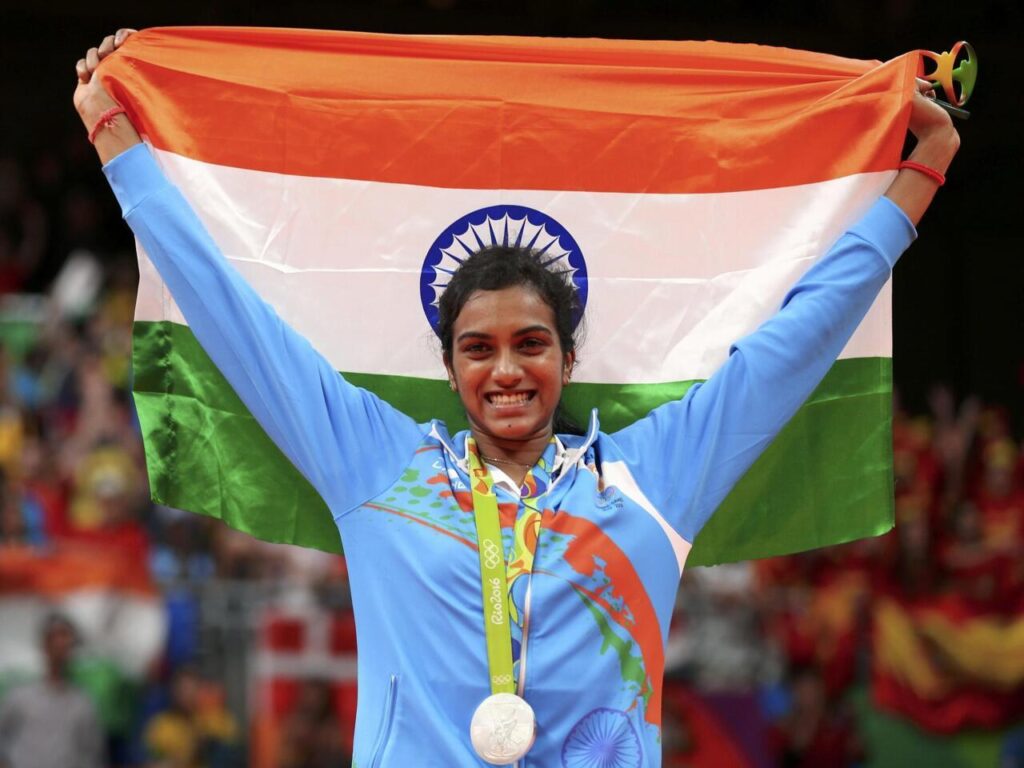
In a landmark moment for Indian sports and global badminton governance, PV Sindhu has been elected as the Chair of the Athletes’ Commission of the Badminton World Federation (BWF) for the 2026–2029 term. The appointment marks a significant recognition of Sindhu’s stature not only as one of the world’s most accomplished badminton players, but also as a respected voice for athletes on the international stage.
Her election places an Indian athlete at the helm of a crucial decision-making body within world badminton, reinforcing India’s growing influence in global sports administration and athlete representation.
What Is the BWF Athletes’ Commission?
The BWF Athletes’ Commission serves as the primary platform through which players’ voices are represented within the global badminton ecosystem. It acts as a bridge between athletes and the BWF Council, ensuring that policies, regulations, and strategic decisions reflect the perspectives and welfare of players.
Key Functions of the Athletes’ Commission
- Representing the interests and concerns of badminton players worldwide
- Advising BWF on competition rules, scheduling, and athlete welfare
- Addressing issues related to fairness, safety, and integrity
- Promoting athlete education, mental health, and career development
- Ensuring athletes’ voices are included in governance decisions
As Chair, PV Sindhu will play a central leadership role in shaping these discussions and guiding the commission’s work over the next four years.
Significance of PV Sindhu’s Election
A First for Indian Badminton
Sindhu’s election as Chair is widely seen as a historic first for Indian badminton. While Indian players have achieved remarkable success on the court, this role represents a major step forward in global sports leadership and governance for India.
It signals:
- Increased trust in Indian athletes at international forums
- Recognition of India’s maturity in sports administration
- A shift toward greater athlete-driven governance
From Champion to Global Leader
PV Sindhu’s journey from a young prodigy to Olympic medallist and now to a global leadership role reflects her evolution beyond competitive success. Her experience competing at the highest level across multiple Olympic cycles gives her deep insight into:
- Tournament pressures
- Injury management
- Travel and scheduling challenges
- Mental health demands of elite sport
These lived experiences strengthen her credibility as a representative of athletes worldwide.
PV Sindhu’s Sporting Legacy
Before examining her leadership role, it is important to understand the magnitude of Sindhu’s on-court achievements, which form the foundation of her influence.
Career Highlights
- Olympic silver and bronze medallist
- World Champion
- Multiple World Championship medals
- Consistent presence in the world’s top rankings
- One of the most decorated badminton players in history
Her longevity at the elite level has earned her immense respect from fellow players, officials, and fans globally.
Why Athletes’ Representation Matters More Than Ever
Global sports governance is undergoing a shift toward athlete-centric decision-making. Increasing competition intensity, commercialisation, and packed calendars have highlighted the need for stronger athlete voices.
Key challenges athletes face today include:
- Congested tournament schedules
- Travel fatigue and recovery issues
- Mental health pressures
- Financial sustainability for lower-ranked players
- Fair play and integrity concerns
The Athletes’ Commission plays a vital role in addressing these issues, and having a leader with Sindhu’s experience adds weight to these discussions.
Responsibilities as Chair (2026–2029)
As Chair of the BWF Athletes’ Commission, PV Sindhu will be responsible for:
1. Leading Athlete Advocacy
She will represent athletes’ concerns directly to the BWF Council, ensuring player welfare remains central to policy decisions.
2. Shaping Competition Policies
From tournament formats to ranking systems, Sindhu will contribute athlete perspectives to ensure fairness and sustainability.
3. Promoting Mental and Physical Well-being
With growing awareness around athlete burnout, her leadership is expected to push for better support systems, injury management protocols, and mental health resources.
4. Supporting Young and Emerging Players
A key focus will be addressing the challenges faced by junior and lower-ranked players, including financial stability and access to opportunities.
Impact on Global Badminton
Sindhu’s leadership is expected to influence several key areas of world badminton governance:
Athlete-Centric Reforms
Her presence ensures that reforms are evaluated through the lens of those competing on court, not just administrators.
Greater Transparency
A strong Athletes’ Commission promotes transparency and trust between players and governing bodies.
Balanced Growth of the Sport
By addressing issues at all levels, from elite to grassroots, the commission helps ensure badminton’s long-term sustainability.
What This Means for Indian Sports
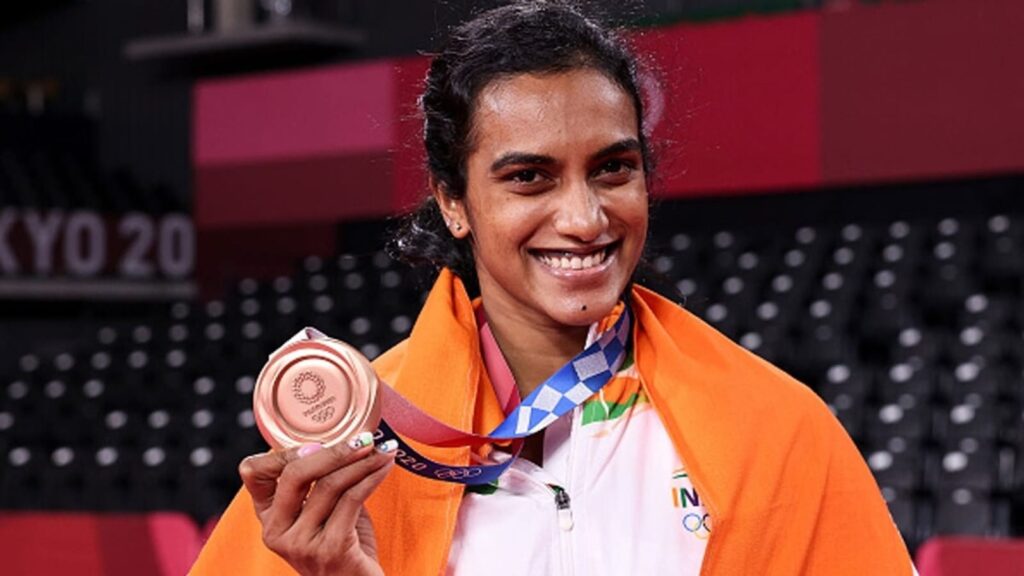
Sindhu’s election is a major boost for India’s sporting ecosystem.
Rising Global Influence
Indian athletes are increasingly being recognised not just for performance, but for leadership and governance capabilities.
Inspiration for Young Athletes
Her journey shows that athletes can influence policy, administration, and the future of their sport beyond competition.
Strengthening India’s Voice in World Sport
This appointment enhances India’s credibility in international sports bodies and decision-making platforms.
Reactions from the Sports Community
The announcement has been widely welcomed by:
- Fellow badminton players
- Sports administrators
- Fans and analysts
Many have described the move as:
- Well-deserved
- Forward-looking
- A win for athlete representation
Experts believe Sindhu’s balanced approach—combining competitive excellence with professionalism—makes her ideally suited for the role.
Challenges Ahead
While the role carries prestige, it also comes with challenges:
- Balancing competitive commitments with governance responsibilities
- Representing diverse athlete interests across regions and levels
- Navigating complex policy and commercial considerations
However, Sindhu’s experience competing under varied conditions worldwide positions her well to manage these challenges.
Athlete Leadership: A Growing Global Trend
Sindhu’s election aligns with a broader international trend where active or recently retired athletes take on leadership roles in governance structures. This shift:
- Improves policy relevance
- Enhances trust in governing bodies
- Brings real-world experience into decision-making
Badminton’s embrace of this model reflects the sport’s progressive approach.
The Road Ahead for the 2026–2029 Term
During her tenure, expectations are high that the Athletes’ Commission will:
- Strengthen athlete engagement mechanisms
- Address scheduling and workload concerns
- Enhance education and career transition support
- Promote integrity and fairness in competition
Sindhu’s leadership will be instrumental in driving these outcomes.
Conclusion
The election of PV Sindhu as Chair of the BWF Athletes’ Commission for the 2026–2029 term marks a defining moment for both Indian badminton and global sports governance. It underscores her transition from a champion athlete to a global leader and advocate for players’ rights and welfare.
As badminton continues to grow in scale and competitiveness, strong athlete representation will be essential to maintaining balance, fairness, and sustainability. With Sindhu at the helm, the Athletes’ Commission is poised to play an even more influential role in shaping the future of the sport.
Her appointment sends a powerful message: the voices of athletes matter—and those who have excelled on the court can also lead off it.