
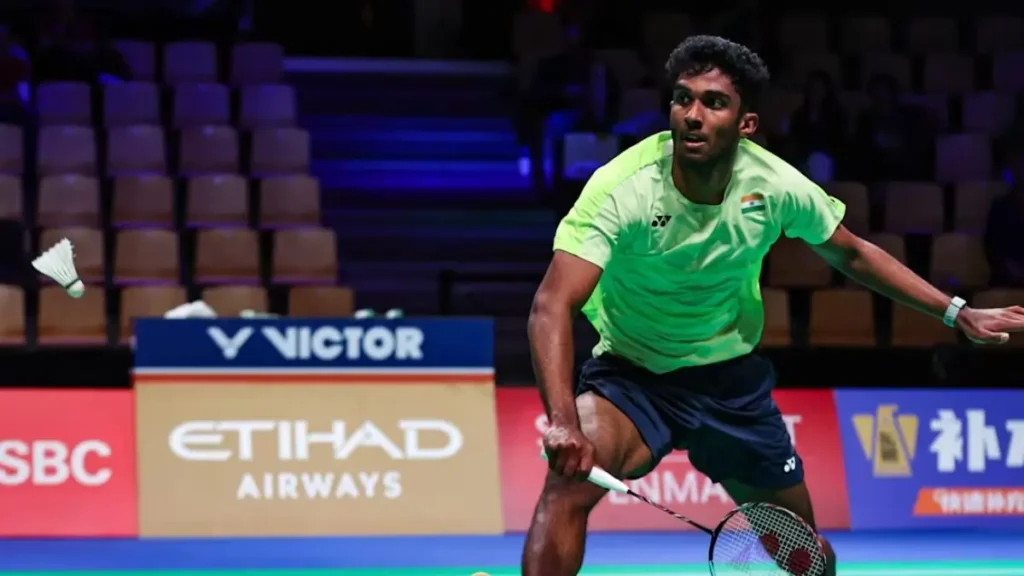
The 2026 edition of the Thomas Cup delivered high drama and unexpected turns as France created history with a breakthrough performance, while India’s campaign ended in disappointment.
The tournament, regarded as the world championship of men’s team badminton, witnessed emerging powers challenging traditional giants, reshaping the global badminton landscape.
🇫🇷 France’s Historic Breakthrough
France stunned the badminton world by reaching an unprecedented stage in the Thomas Cup, marking their best-ever performance in the tournament’s history.
The French team showcased:
- Exceptional teamwork and coordination
- Strong performances in both singles and doubles
- Tactical discipline against higher-ranked opponents
Their success signals the rapid growth of badminton in Europe, with France emerging as a serious contender on the global stage.
🇮🇳 India’s Early Exit
India entered the tournament with high expectations, backed by a strong squad and previous successes in international competitions. However, the team failed to maintain consistency and crashed out earlier than expected.
Key factors behind India’s exit included:
- Inconsistent performances in crucial matches
- Struggles in doubles categories
- Pressure in knockout stages
- Strong competition from rising teams
Despite having talented players, India couldn’t convert opportunities into victories when it mattered most.
🏸 Key Highlights of the Tournament
- France achieved a historic milestone with a deep run
- Several top teams faced tough competition from emerging nations
- Matches were highly competitive, showcasing the evolving nature of global badminton
- New talents emerged, challenging established players
The Thomas Cup once again proved why it is one of the most prestigious tournaments in the sport.
🌍 Changing Dynamics in World Badminton
France’s rise reflects a broader shift in badminton, where traditional powerhouses like China, Indonesia, and Denmark are facing increasing competition from newer teams.
Factors contributing to this shift include:
- Improved training infrastructure worldwide
- Increased investment in sports development
- Exposure to international tournaments
- Focus on grassroots talent
This evolution is making global badminton more competitive and unpredictable.
🇮🇳 What Went Wrong for India?
India’s early exit raises important questions about strategy and preparation. While the team has shown significant progress in recent years, certain gaps remain:
- Need for stronger doubles combinations
- Consistency in high-pressure matches
- Better match strategy and adaptability
- Continued investment in player development
Addressing these areas will be crucial for future tournaments.
🌟 Positives for India
Despite the setback, there are positives for Indian badminton:
- A strong pool of young talent
- Growing popularity of the sport
- Support from organizations like the Badminton Association of India
- Increasing international exposure for players
These factors provide a solid foundation for future success.
🔮 The Road Ahead
India will now look ahead to upcoming tournaments, including the Olympics and other international championships. The focus will be on:
- Strengthening team combinations
- Enhancing training and fitness programs
- Building mental resilience among players
- Gaining more international match experience
With the right approach, India can bounce back stronger.
✨ Conclusion
The 2026 Thomas Cup will be remembered for France’s historic achievement and India’s unexpected exit. While France celebrates a landmark moment, India will reflect, regroup, and prepare for future challenges.
This tournament serves as a reminder that in modern badminton, no team can be taken lightly, and continuous improvement is the key to staying competitive on the global stage.