
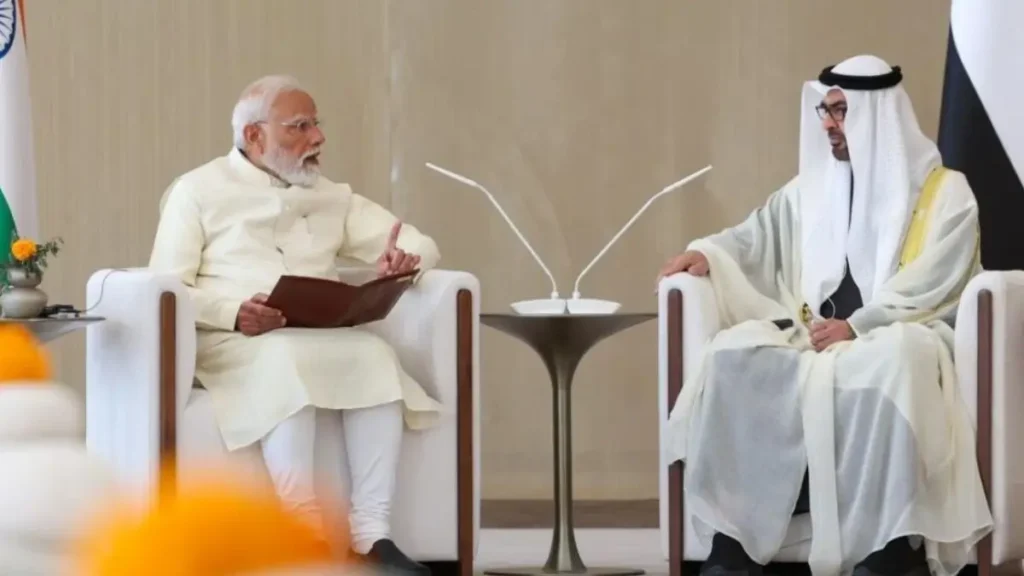
India has taken another major step toward strengthening its energy security as the United Arab Emirates committed to a strategic 30 million barrel oil storage agreement with India. The deal is being viewed as a significant development in India’s long-term energy strategy, especially at a time of growing geopolitical uncertainty and fluctuating global oil markets.
The agreement is expected to enhance India’s strategic petroleum reserves, improve supply stability, and deepen energy cooperation between India and the UAE. Analysts believe the move will help India better manage global oil price volatility, supply disruptions, and rising energy demand.
As India remains one of the world’s largest energy importers, securing stable crude oil access has become a critical national priority.
What Is the 30 Million Barrel Oil Storage Deal?
Under the agreement, the UAE will store approximately 30 million barrels of crude oil in India’s strategic petroleum reserve facilities. These reserves act as emergency stockpiles that can be used during supply disruptions, geopolitical crises, or sharp spikes in global oil prices.
The arrangement strengthens bilateral energy cooperation while giving India quicker access to crude oil during emergencies.
Strategic petroleum reserves are considered essential for countries heavily dependent on imported energy resources. India imports a large portion of its crude oil requirements from the Middle East, making long-term storage partnerships strategically important.
Why Energy Security Matters for India
India is one of the fastest-growing major economies in the world, and energy demand continues increasing rapidly across sectors such as:
- Transportation
- Manufacturing
- Aviation
- Infrastructure
- Electricity generation
- Industrial production
Because India imports most of its crude oil, any disruption in global energy supply chains can significantly impact the economy.
Energy security is therefore essential for:
- Economic stability
- Industrial growth
- Inflation control
- National security
- Long-term development planning
The UAE oil storage agreement is part of India’s broader strategy to reduce vulnerability to global energy market disruptions.
Strategic Petroleum Reserves Explained
Strategic Petroleum Reserves (SPR) are government-controlled emergency crude oil storage facilities designed to protect countries during energy crises.
These reserves can be used when:
- Global oil supplies are disrupted
- Wars or geopolitical conflicts affect energy markets
- Natural disasters impact supply chains
- Oil prices rise sharply
- Import routes face disruption
India has been steadily expanding its SPR capacity over the past several years as part of its energy security roadmap.
The reserves are typically stored in underground rock caverns and specialized facilities capable of safely preserving crude oil for extended periods.
Importance of the UAE Partnership
The UAE is one of India’s most important energy partners and a major supplier of crude oil.
The oil storage agreement strengthens an already expanding bilateral relationship involving:
- Energy cooperation
- Trade and investment
- Infrastructure development
- Technology partnerships
- Defense collaboration
The partnership reflects growing strategic trust between the two countries.
India and the UAE have significantly expanded economic ties in recent years through trade agreements, investment projects, and connectivity initiatives.
Geopolitical Importance of the Deal
The agreement comes at a time when global energy markets remain vulnerable to geopolitical tensions.
Recent conflicts and uncertainties in the Middle East, Red Sea region, and global shipping routes have raised concerns about energy supply stability.
India’s efforts to increase strategic oil reserves help reduce risks associated with:
- Global oil supply disruptions
- Shipping bottlenecks
- Political instability in energy-producing regions
- International sanctions
- Sudden market volatility
The UAE storage partnership provides India with an additional layer of energy security during uncertain geopolitical conditions.
Economic Benefits for India
The deal could provide several economic advantages for India.
Improved Supply Stability
Having stored crude oil available domestically allows India to respond faster during supply disruptions.
Better Price Management
Strategic reserves can help stabilize fuel supply during periods of extreme oil price volatility.
Reduced Import Risks
Domestic storage reduces dependence on immediate international shipments during emergencies.
Industrial Continuity
Reliable fuel access supports uninterrupted industrial and economic activity.
Stronger Investor Confidence
Energy security improves confidence among industries, investors, and financial markets.
UAE’s Expanding Global Energy Strategy
The UAE has been actively strengthening its position as a major global energy and investment partner.
By storing oil in strategic international locations, the UAE improves:
- Market access
- Supply chain flexibility
- Energy partnerships
- Global trade influence
India’s growing energy consumption makes it one of the UAE’s most important long-term energy markets.
The deal also reflects the UAE’s broader strategy of deepening economic relationships with fast-growing Asian economies.
India’s Growing Energy Demand
India’s energy demand is expected to rise significantly in the coming decades due to:
- Population growth
- Urbanization
- Industrial expansion
- Infrastructure development
- Increasing vehicle ownership
Despite rapid investments in renewable energy, crude oil will continue playing a major role in India’s economy for the foreseeable future.
Experts believe India’s oil consumption could remain among the highest globally as economic activity expands.
This makes strategic storage infrastructure increasingly important.
Balancing Fossil Fuels and Clean Energy
While India is aggressively investing in renewable energy and clean fuel technologies, the country continues balancing its transition with current energy realities.
India is simultaneously investing in:
- Solar energy
- Wind power
- Green hydrogen
- Electric vehicles
- Biofuels
- Natural gas infrastructure
However, oil remains critical for transportation, manufacturing, and industrial growth.
Strategic oil reserves help ensure energy stability while the country gradually transitions toward cleaner energy systems.
Role of Strategic Reserves in National Security
Energy security is closely linked to national security.
Countries with strong strategic petroleum reserves are better prepared to handle:
- International conflicts
- Trade disruptions
- Energy crises
- Economic shocks
Several major economies including the United States, China, Japan, and India maintain large strategic oil reserves for emergency preparedness.
Expanding reserve partnerships with trusted allies strengthens resilience against external risks.
India-UAE Bilateral Relations Continue to Grow
India and the UAE have significantly strengthened diplomatic and economic relations over the past decade.
The two countries now cooperate across multiple sectors including:
- Energy
- Trade
- Infrastructure
- Technology
- Food security
- Investment
- Defense
The Comprehensive Economic Partnership Agreement (CEPA) between India and the UAE further accelerated bilateral trade and investment opportunities.
The oil storage deal adds another important dimension to this growing partnership.
Future of India’s Energy Infrastructure
India is expected to continue expanding its strategic petroleum reserves and energy infrastructure in the coming years.
Future priorities may include:
- Additional storage facilities
- Diversified crude oil suppliers
- Pipeline infrastructure
- LNG terminals
- Renewable energy integration
- Smart energy systems
The government’s long-term goal is to build a resilient, diversified, and secure energy ecosystem capable of supporting India’s economic ambitions.
Global Energy Market Impact
Large strategic storage agreements like this also influence global energy markets.
They signal:
- Long-term supply partnerships
- Stable energy demand projections
- Strong bilateral cooperation
- Confidence in future oil trade flows
Energy-exporting countries increasingly seek long-term relationships with high-growth economies like India to ensure market stability.
Challenges Ahead
Despite the benefits, India still faces several energy-related challenges.
Heavy Import Dependence
India remains highly dependent on imported crude oil.
Global Price Volatility
International oil prices remain vulnerable to geopolitical events and market fluctuations.
Infrastructure Costs
Expanding strategic reserves requires significant investment and maintenance.
Energy Transition Pressure
India must balance fossil fuel needs with climate commitments and renewable energy goals.
However, strategic partnerships such as the UAE oil storage deal help improve preparedness and resilience.
Conclusion
The UAE’s commitment to storing 30 million barrels of crude oil in India marks a major milestone in India’s efforts to strengthen long-term energy security.
The agreement not only improves emergency preparedness and supply stability but also deepens the growing strategic partnership between India and the UAE.
As global energy markets continue facing uncertainty, India’s focus on strategic petroleum reserves, diversified partnerships, and infrastructure expansion will remain essential for sustaining economic growth and national security.
The deal highlights how energy diplomacy is becoming increasingly important in shaping the future of global economic and geopolitical stability.