
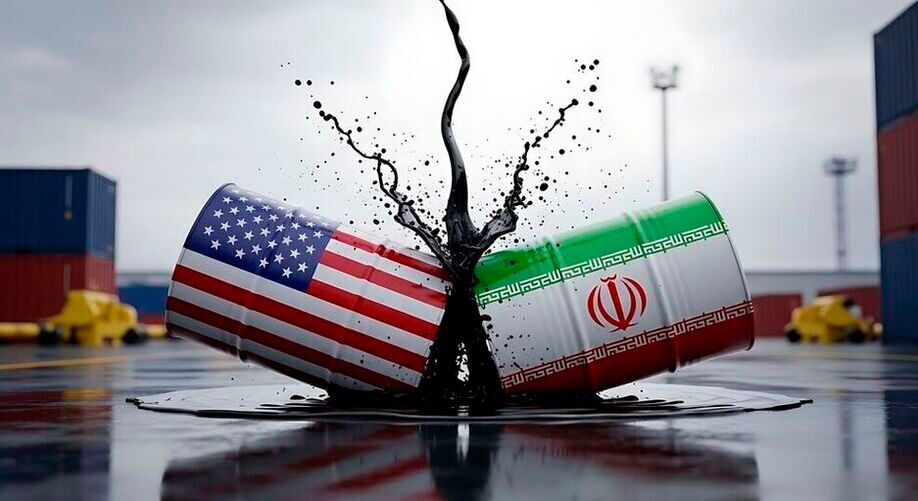
The ongoing Iran war has evolved into one of the most economically disruptive geopolitical crises of 2026, severely damaging not only Iran’s economy but also impacting some of the wealthiest nations in the Middle East and beyond. What initially appeared to be a regional conflict has now triggered global energy instability, supply chain disruptions, inflationary pressure, and economic uncertainty across international markets.
The conflict’s impact has been particularly devastating for Gulf economies heavily dependent on oil exports, global trade routes, and energy infrastructure. Analysts now warn that the economic consequences of the war could reshape global markets for years if the crisis continues.
Why the Iran War Is Affecting Wealthy Nations
The war’s economic shock is primarily linked to the strategic importance of the Strait of Hormuz, one of the world’s most critical energy shipping routes.
Nearly 20% of global oil and gas supplies normally pass through the strait, making it essential for countries across Asia, Europe, and the Middle East. The conflict and shipping disruptions have caused severe pressure on global energy markets.
Several wealthy Gulf nations rely heavily on uninterrupted energy exports through the region. As military tensions escalated and maritime security deteriorated, oil production, shipping operations, aviation, tourism, and regional trade networks experienced major disruptions.
Gulf Economies Under Severe Pressure
Some of the wealthiest nations in the Gulf Cooperation Council (GCC) are now facing unprecedented economic stress despite their enormous oil wealth.
Countries including:
- Saudi Arabia
- United Arab Emirates
- Qatar
- Kuwait
have all been affected by export disruptions, logistical bottlenecks, and energy market instability.
The closure and insecurity around the Strait of Hormuz stranded millions of barrels of oil and LNG shipments, reducing export revenues and increasing market volatility globally.
According to multiple reports, regional oil production dropped significantly during the height of the crisis, causing Brent crude prices to surge above $120 per barrel at one stage.
Oil Prices and Global Inflation
One of the most immediate global effects of the Iran war has been the sharp increase in oil and gas prices.
Higher energy prices have directly impacted:
- Transportation costs
- Food prices
- Manufacturing expenses
- Aviation fuel costs
- Household energy bills
Economists warn that prolonged instability could increase the risk of global stagflation — a dangerous combination of slow economic growth and high inflation.
Countries highly dependent on imported energy, including India, Japan, South Korea, and many European economies, are facing rising import bills and inflationary pressure.
UAE and Qatar Face Strategic Challenges
The United Arab Emirates and Qatar are among the wealthiest nations affected by the crisis.
Both countries depend heavily on energy exports and international logistics networks. The war disrupted shipping routes and caused uncertainty around LNG exports and aviation operations.
Qatar’s LNG infrastructure was reportedly affected during the broader regional conflict, intensifying fears about long-term energy supply shortages.
Meanwhile, Gulf-based airlines and tourism industries experienced major setbacks due to airspace closures and declining travel demand.
Iran’s Economy Faces Deep Crisis
While wealthy Gulf nations are struggling with economic disruption, Iran itself is facing severe internal collapse.
Years of sanctions, combined with war-related destruction and blockades, have pushed the Iranian economy into deeper crisis.
Reports indicate:
- Inflation above 50%
- Currency collapse
- Business shutdowns
- Mass layoffs
- Rising poverty
Many ordinary Iranians are struggling to afford food, medicine, and basic necessities.
Oil export losses have reportedly cost Iran hundreds of millions of dollars daily due to trade restrictions and maritime disruptions.
Global Supply Chains Disrupted
The Iran war has also exposed the vulnerability of global supply chains.
Industries worldwide are facing disruptions in:
- Fertilizer supplies
- Petrochemicals
- Industrial materials
- Plastics manufacturing
- Shipping logistics
The Strait of Hormuz is crucial not only for oil but also for fertilizer exports and industrial commodities.
Manufacturers across Asia and Europe are already reporting rising costs and supply shortages.
Aviation and Tourism Industries Hit Hard
The aviation industry has become one of the major economic casualties of the conflict.
Rising jet fuel prices and regional airspace restrictions forced airlines to:
- Increase ticket prices
- Cancel routes
- Reduce operations
Several tourism-dependent economies also experienced declining international travel demand due to fears of wider regional instability.
Some airlines faced severe financial pressure as fuel expenses surged dramatically.
Wealth Alone Cannot Protect Economies
One of the biggest lessons emerging from the crisis is that even extremely wealthy nations remain vulnerable to geopolitical instability.
Despite large sovereign wealth funds and oil revenues, Gulf economies are deeply interconnected with global trade and energy systems.
Economic strength alone cannot fully protect nations from:
- Supply chain breakdowns
- Maritime disruptions
- Energy market shocks
- Global investor uncertainty
The conflict has shown how fragile modern global economic systems remain during prolonged geopolitical crises.
Market Uncertainty Is Becoming the Biggest Risk
Many economists argue that uncertainty itself is now one of the war’s most damaging economic consequences.
Businesses struggle to plan investments when:
- Oil prices fluctuate unpredictably
- Shipping routes remain unstable
- Supply chains face interruptions
- Geopolitical escalation risks continue
This uncertainty slows economic activity and weakens investor confidence globally.
Markets can often adapt to high prices, but prolonged instability creates deeper economic paralysis.
Impact on Asia and Emerging Economies
Asian economies are among the hardest hit because of their dependence on Gulf energy imports.
Countries including:
- India
- Japan
- South Korea
- Thailand
have faced rising fuel costs and import pressure.
India, which imports nearly 90% of its oil, is considered particularly vulnerable to prolonged energy shocks.
Long-Term Geopolitical Implications
The Iran war is also reshaping global geopolitics.
Countries are now accelerating efforts to:
- Diversify energy sources
- Expand renewable energy investments
- Reduce dependence on strategic chokepoints
- Strengthen domestic reserves
- Reorganize global supply chains
The crisis may permanently alter global trade and energy strategies.
Conclusion
The Iran war has become far more than a regional military conflict. It is now a global economic crisis affecting wealthy Gulf nations, energy markets, international trade systems, and millions of ordinary people worldwide.
Despite their enormous financial resources, some of the world’s richest nations are facing severe economic strain due to disrupted energy exports, shipping instability, inflation, and declining investor confidence.
As the conflict continues, the world economy remains highly vulnerable to further escalation. The crisis highlights how deeply interconnected global markets have become — and how geopolitical instability in one region can rapidly ripple across the entire world economy.