
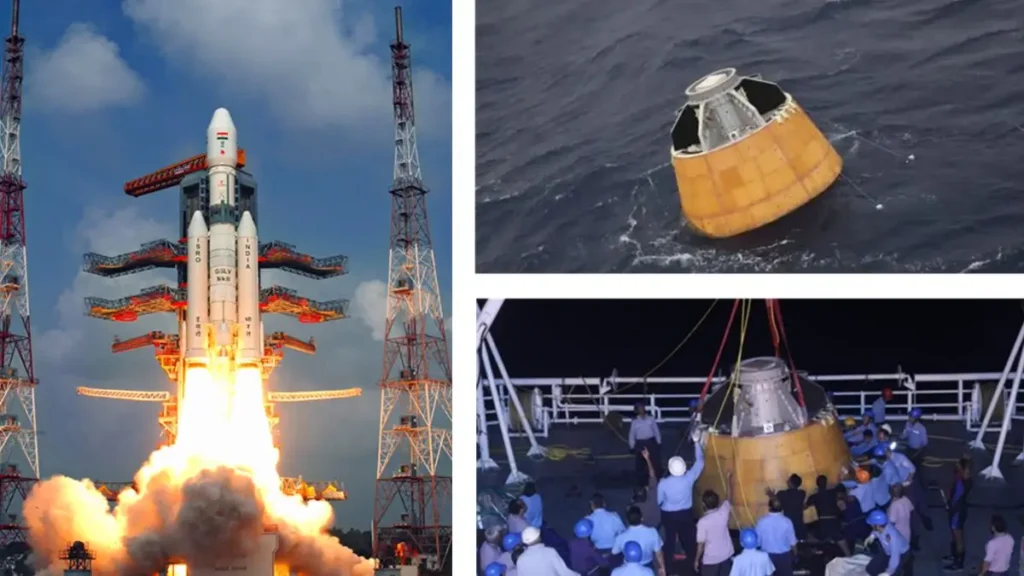
India’s ambitious human spaceflight mission, the Gaganyaan Programme, is entering a transformative phase with the introduction of a civilian astronaut selection plan. Spearheaded by the Indian Space Research Organisation, this move signals a major shift in India’s approach to space exploration—opening doors beyond military-trained personnel and bringing space closer to the public.
This development not only strengthens India’s position in the global space race but also reflects a broader vision of inclusivity, innovation, and long-term human presence in space.
A New Chapter in India’s Space Journey
The Gaganyaan mission, first announced in 2018, aims to send Indian astronauts into low Earth orbit and bring them back safely. Until now, astronaut candidates have largely been selected from India’s test pilot community, particularly from the Indian Air Force.
However, the proposed civilian astronaut selection plan marks a paradigm shift. By expanding eligibility to scientists, engineers, medical professionals, and even private citizens with exceptional capabilities, India is democratizing access to space.
This approach aligns with global trends seen in space programs like those led by NASA and private companies such as SpaceX, where civilian astronauts and space tourists are increasingly becoming part of missions.
Why Civilian Astronauts Matter
Including civilians in the astronaut selection process is not just symbolic—it has strategic significance. Civilian astronauts bring diverse skill sets that can enhance mission outcomes, especially in areas like scientific research, medical experimentation, and technological innovation.
For instance, researchers in microgravity science can conduct experiments in space that are difficult or impossible on Earth. Medical professionals can study the effects of space travel on the human body, contributing to advancements in healthcare.
Moreover, the presence of civilians makes space exploration more relatable and inspiring for the general public. It transforms space missions from elite, government-led operations into shared national achievements.
Rigorous Selection and Training Process
While the program is expanding, the selection process is expected to remain highly competitive and demanding. Candidates will need to meet strict physical, psychological, and technical criteria.
The training regimen will likely include:
- Survival training in extreme environments
- Zero-gravity simulations
- Spacecraft systems and operations
- Emergency response protocols
India has already established astronaut training facilities in collaboration with international partners, and future training modules may be developed domestically to support the growing pool of candidates.
The emphasis will remain on safety, precision, and preparedness, ensuring that every selected astronaut—civilian or otherwise—is mission-ready.
Boost to India’s Space Economy
The expansion of the Gaganyaan Programme is expected to have a ripple effect on India’s space economy. By involving civilians, startups, and academic institutions, the mission can stimulate innovation across multiple sectors.
India’s space ecosystem is already witnessing rapid growth, with private players entering areas such as satellite manufacturing, launch services, and space technology solutions. The civilian astronaut initiative could further accelerate this momentum by encouraging public-private partnerships.
It also aligns with the government’s broader push to commercialize space and attract global investments, positioning India as a key player in the emerging space economy.
Inspiring the Next Generation
One of the most powerful impacts of the civilian astronaut plan is its potential to inspire young minds. When students see individuals from diverse backgrounds reaching space, it broadens their aspirations and encourages them to pursue careers in science, technology, engineering, and mathematics (STEM).
Educational institutions are likely to integrate space science more actively into their curricula, while space-related competitions, workshops, and research opportunities may see increased participation.
This cultural shift can create a strong pipeline of talent, ensuring that India remains at the forefront of innovation for decades to come.
Global Collaboration and Recognition
The expansion of the Gaganyaan Programme also enhances India’s prospects for international collaboration. By opening its astronaut corps to civilians, India can potentially include participants from partner countries in future missions.
This could lead to joint experiments, shared technological advancements, and stronger diplomatic ties through space cooperation.
Globally, nations are increasingly recognizing the importance of collaborative space exploration. India’s inclusive approach positions it as a forward-thinking partner in this evolving landscape.
Challenges Ahead
Despite its promising outlook, the civilian astronaut initiative comes with challenges. Ensuring the safety of non-military personnel in space is a complex task that requires advanced technology, rigorous training, and robust support systems.
There are also logistical and financial considerations. Expanding the program will require significant investment in infrastructure, training facilities, and mission planning.
Additionally, maintaining a balance between inclusivity and mission efficiency will be crucial. The selection process must remain merit-based to ensure that only the most capable individuals are chosen.
The Road Ahead
As the Indian Space Research Organisation continues to refine its plans, the inclusion of civilians in the Gaganyaan Programme represents a bold step forward.
The mission is not just about sending humans to space—it is about redefining who gets to go and why. By embracing diversity and innovation, India is setting the stage for a more inclusive and dynamic future in space exploration.
Conclusion
The expansion of the Gaganyaan Programme with a civilian astronaut selection plan is a landmark development in India’s space journey. It reflects a vision that goes beyond technological achievement, focusing on inclusivity, inspiration, and global leadership.
As India prepares for its first human spaceflight mission, this initiative underscores the country’s commitment to pushing boundaries and exploring new frontiers. With the combined efforts of scientists, policymakers, and aspiring astronauts, the dream of space is no longer limited to a select few—it is becoming a shared national aspiration.
In the years to come, the success of this initiative could redefine India’s role in the global space community and inspire generations to look beyond the skies and aim for the stars.