
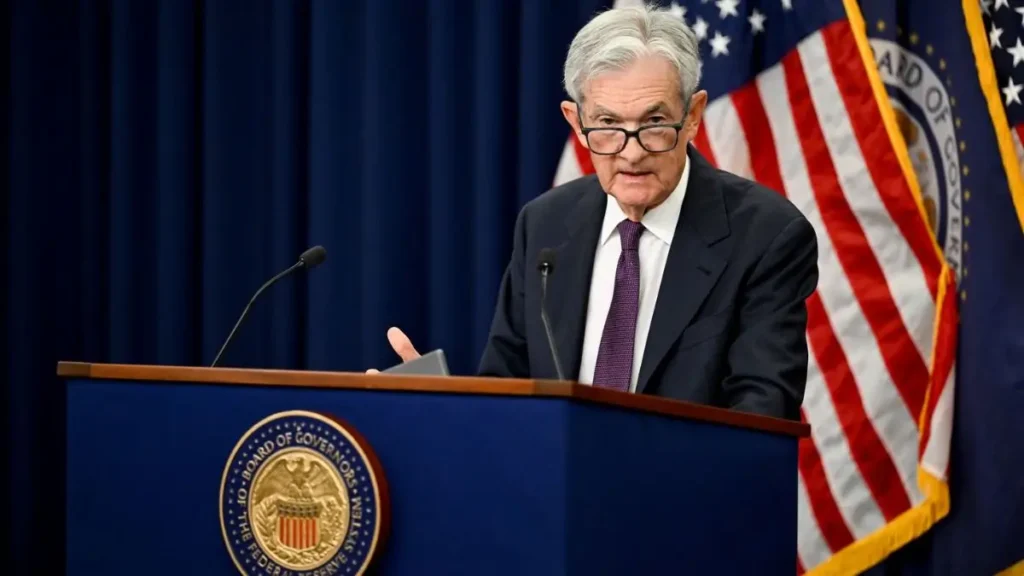
The Federal Reserve has once again decided to hold its benchmark interest rates steady, reflecting a cautious stance amid ongoing economic uncertainties. This decision comes at a time when global markets are closely watching every move from the US central bank, given its far-reaching impact on inflation, employment, and financial stability worldwide.
A Pause with a Purpose
The decision to keep interest rates unchanged is not merely a pause—it is a strategic move. After a series of aggressive rate hikes over the past couple of years aimed at curbing inflation, the Fed appears to be taking a step back to assess the broader economic landscape. Policymakers are weighing multiple factors, including moderating inflation trends, resilient labor markets, and persistent geopolitical risks.
According to recent statements, the Fed is not yet confident enough to declare victory over inflation. While price increases have slowed compared to previous peaks, inflation still remains above the central bank’s long-term target of 2%. This creates a delicate balancing act: tightening policy too much could risk slowing economic growth, while easing too soon might reignite inflationary pressures.
Inflation: Cooling but Not Conquered
One of the primary reasons behind the Fed’s cautious approach is the mixed signals coming from inflation data. Core inflation, which excludes volatile food and energy prices, has shown signs of easing. However, services inflation—especially in sectors like housing and healthcare—continues to remain sticky.
The Fed’s leadership has emphasized that they need more consistent evidence of declining inflation before considering any rate cuts. This “wait and watch” approach suggests that the central bank is prioritizing long-term economic stability over short-term market expectations.
Strong Labor Market Adds Complexity
Another critical factor influencing the Fed’s decision is the strength of the US labor market. Unemployment rates remain relatively low, and job creation has been steady. Wage growth, although moderating, is still robust enough to support consumer spending.
While a strong labor market is generally a positive indicator, it also complicates the Fed’s inflation fight. Higher wages can contribute to increased consumer demand, which in turn can keep inflation elevated. This dynamic makes it challenging for policymakers to decide the right timing for any policy shift.
Policy Uncertainty: The Key Signal
Perhaps the most important takeaway from the Fed’s latest decision is the signal of policy uncertainty. Rather than providing clear forward guidance, the central bank has indicated that future decisions will be highly data-dependent.
This uncertainty reflects the unpredictable nature of the current economic environment. Factors such as global supply chain disruptions, geopolitical tensions, and fluctuating energy prices continue to create volatility. Additionally, the impact of previous rate hikes is still unfolding, making it difficult to assess the full extent of their effect on the economy.
Market Reactions and Investor Sentiment
Financial markets have responded cautiously to the Fed’s announcement. Equity markets showed mixed reactions, while bond yields remained relatively stable. Investors are now recalibrating their expectations regarding potential rate cuts later in the year.
The lack of a clear timeline for policy changes has led to increased market volatility. Traders and analysts are closely monitoring upcoming economic data releases, including inflation reports and employment figures, for clues about the Fed’s next move.
Global Implications
The Fed’s decision has significant implications beyond the United States. As the world’s largest economy, US monetary policy influences global capital flows, exchange rates, and economic growth in emerging markets.
For countries like India, stable US interest rates can provide some relief by reducing pressure on currency depreciation and capital outflows. However, ongoing uncertainty in US policy can still create ripple effects across global financial markets.
Central banks around the world are also adjusting their own policies in response to the Fed’s stance. Some may choose to maintain tighter policies to prevent currency weakening, while others might focus on domestic growth concerns.
What Lies Ahead?
Looking forward, the path of US monetary policy remains uncertain. The Fed has made it clear that it is not in a hurry to cut rates, but it is also not ruling out the possibility. Much will depend on how key economic indicators evolve in the coming months.
If inflation continues to decline steadily and the labor market shows signs of cooling, the Fed may consider gradual rate cuts. On the other hand, if inflation proves more persistent, policymakers could maintain the current stance for a longer period.
Another factor to watch is consumer spending. As interest rates remain elevated, borrowing costs for households and businesses stay high. This could eventually slow down economic activity, influencing the Fed’s future decisions.
Conclusion
The Federal Reserve’s decision to keep interest rates unchanged highlights the complexity of the current economic landscape. While there are encouraging signs of easing inflation, significant uncertainties remain.
By adopting a cautious and data-driven approach, the Fed is attempting to strike a balance between controlling inflation and sustaining economic growth. For businesses, investors, and policymakers worldwide, this phase of uncertainty underscores the importance of adaptability and strategic planning.
As the global economy navigates these uncertain times, all eyes will remain on the Fed’s next moves—decisions that will continue to shape the financial future of not just the United States, but the entire world.