
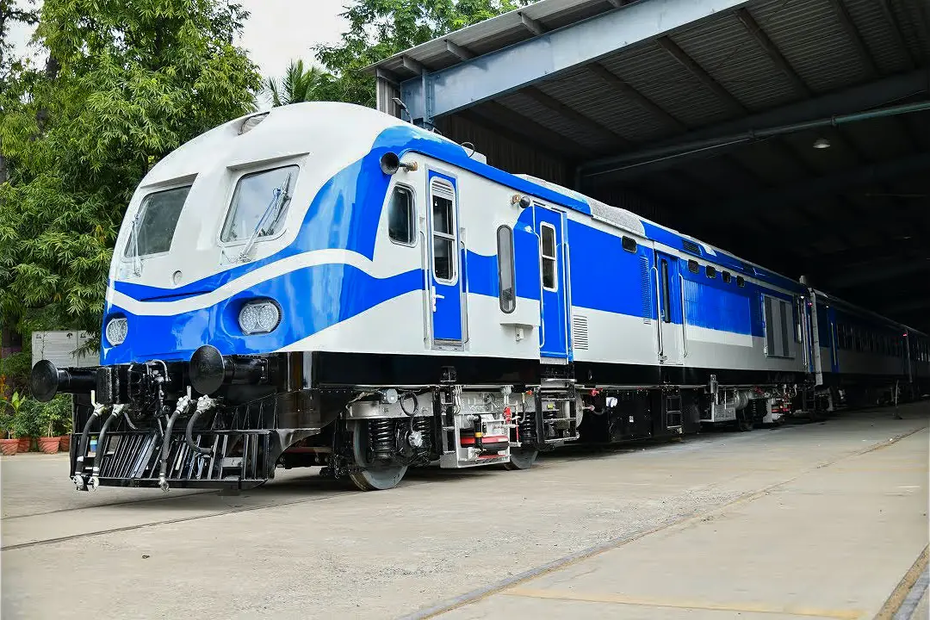
In a historic step toward sustainable transportation, Haryana is set to launch India’s first hydrogen-powered train, marking a transformative moment for the country’s rail and clean-energy ambitions. The initiative positions India among a select group of nations experimenting with hydrogen fuel-cell trains, reinforcing the government’s push toward carbon neutrality, green mobility, and energy independence.
The hydrogen-powered train is not just a technological upgrade—it represents a paradigm shift in how Indian Railways envisions the future of mass transportation. By replacing diesel with clean hydrogen fuel, this project signals a decisive move toward a low-emission, future-ready railway system.
A First-of-Its-Kind Green Rail Initiative in India
The upcoming hydrogen-powered train in Haryana will be India’s first rail service to operate on hydrogen fuel-cell technology, making it a national benchmark for innovation in public transport.
Developed under the broader sustainability goals of Indian Railways, the project aims to:
- Reduce dependence on fossil fuels
- Cut carbon and particulate emissions
- Introduce next-generation clean energy into rail operations
With railways being one of India’s largest energy consumers, this pilot project is expected to have far-reaching environmental and policy implications.
Why Hydrogen-Powered Trains Matter
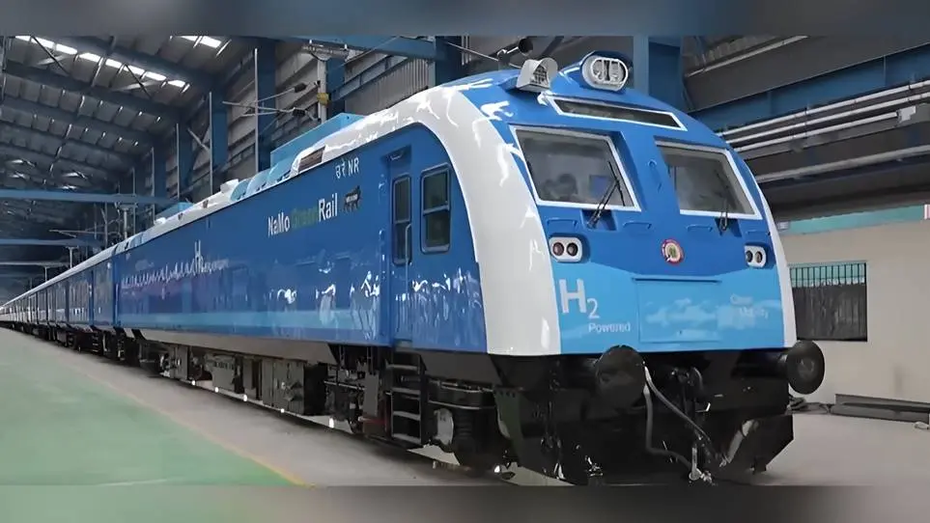
Hydrogen-powered trains use hydrogen fuel cells to generate electricity, which then powers electric traction motors. The only by-products of this process are water vapor and heat, making it one of the cleanest transport technologies available today.
Key advantages include:
- Zero direct carbon emissions
- No noise pollution compared to diesel engines
- Higher energy efficiency
- Reduced operating costs in the long term
For non-electrified and partially electrified routes, hydrogen trains offer a cleaner alternative to diesel without requiring expensive overhead electrification.
Why Haryana Was Chosen
Haryana emerged as the ideal launchpad for India’s first hydrogen-powered train due to several strategic factors:
1. Proximity to National Capital Region
Haryana’s rail network plays a critical role in connecting the NCR, making it a high-visibility testing ground for innovation.
2. Strong Infrastructure Readiness
The state has well-developed rail corridors suitable for pilot operations and monitoring.
3. Alignment with Green Energy Vision
Haryana has been actively promoting renewable energy, clean fuels, and sustainable industrial practices, aligning well with hydrogen-based mobility.
Technology Behind the Hydrogen Train
The hydrogen-powered train will rely on hydrogen fuel-cell propulsion, a technology already proven in countries like Germany and Japan.
Core components include:
- Hydrogen storage tanks mounted safely on the train
- Fuel cells that convert hydrogen into electricity
- Battery systems for energy buffering
- Electric traction motors for propulsion
The design prioritizes safety, efficiency, and scalability, ensuring that the technology can be replicated across India if successful.
Role of Indian Railways and Indigenous Development
The hydrogen train project is being developed with a strong focus on indigenous engineering and manufacturing. Indian Railways, along with domestic technology partners, has emphasized:
- Local design and fabrication
- Skill development for maintenance crews
- Reduced reliance on imported systems
This approach supports India’s broader Aatmanirbhar Bharat mission and strengthens domestic capabilities in advanced rail technologies.
Environmental Impact: A Big Win for Climate Goals
Diesel locomotives contribute significantly to greenhouse gas emissions and air pollution. Replacing even a fraction of them with hydrogen-powered alternatives can deliver substantial benefits.
Expected environmental gains:
- Significant reduction in CO₂ emissions
- Improved air quality along rail corridors
- Lower noise levels for nearby communities
The Haryana hydrogen train aligns closely with India’s commitments to climate action and clean energy transition.
Economic and Operational Benefits
While hydrogen technology involves higher initial costs, the long-term benefits are compelling:
Economic advantages:
- Lower fuel costs as green hydrogen production scales up
- Reduced maintenance compared to diesel engines
- Longer operational life of components
Operational flexibility:
- Ideal for routes where electrification is impractical
- Quick refueling compared to battery-only systems
- Reliable performance across varied terrains
These factors make hydrogen trains a promising solution for India’s diverse railway network.
Safety Measures and Global Standards
Safety is a central focus of the project. Hydrogen storage and handling systems are being designed to meet international safety standards, including:
- High-pressure tank safety protocols
- Advanced leak detection systems
- Automated shutdown mechanisms
Global experience with hydrogen trains has shown that, when properly managed, the technology is safe and reliable.
Boost to India’s Green Hydrogen Mission
The launch of a hydrogen-powered train in Haryana also complements India’s National Green Hydrogen Mission, which aims to make India a global hub for green hydrogen production and usage.
Railways adopting hydrogen fuel:
- Create steady demand for green hydrogen
- Encourage private investment in hydrogen infrastructure
- Accelerate innovation across energy and transport sectors
This synergy strengthens India’s position in the emerging global hydrogen economy.
Global Context: India Joins an Elite Club
Countries like Germany, France, and Japan have already deployed hydrogen-powered trains on select routes. With Haryana’s initiative, India joins this elite group of hydrogen rail innovators, showcasing its readiness to adopt advanced clean technologies at scale.
Given the size of Indian Railways, even limited hydrogen adoption could have global environmental impact.
Challenges and the Road Ahead
Despite its promise, the hydrogen train project faces challenges:
- Scaling up green hydrogen production
- Developing refueling infrastructure
- Managing initial costs and training
However, experts believe that pilot success in Haryana will pave the way for:
- Wider adoption across non-electrified routes
- Cost reductions through economies of scale
- Faster innovation cycles
What This Means for the Future of Indian Railways
The hydrogen-powered train is more than a pilot—it is a proof of concept for the future of Indian Railways.
It signals:
- A move away from diesel dependency
- Embrace of clean, cutting-edge technology
- Leadership in sustainable mass transport
If successful, hydrogen trains could become a key pillar of India’s rail decarbonization strategy.
Conclusion
Haryana’s launch of India’s first hydrogen-powered train represents a bold leap toward sustainable transportation and technological leadership. By combining clean energy with indigenous innovation, the project demonstrates how environmental responsibility and economic progress can go hand in hand.
As the train prepares to roll out, it carries more than passengers—it carries India’s vision of a greener, cleaner, and future-ready mobility ecosystem. With this milestone, Haryana and Indian Railways have set the tracks firmly toward a hydrogen-powered future.